appnext

Jumat, 01 Mei 2020

Save $100 on the stylish Marshall Tufton portable Bluetooth speaker today

One of Best Buy's deals of the day includes the Marshall Tufton portable Bluetooth speaker down to $299.99. This is $100 off its regular price at Best Buy. The next best price is $330 at B&H, but that's also a limited-time sale and the speaker is going for $400 elsewhere including places like Crutchfield. This deal is only good through the end of the day.

The Marshall Tufton is a portable speaker, and it has a battery that lasts for up to 20 hours. You'll be able to play your music all day long and blast it as loud as you can. The Bluetooth 5.0 technology helps the Tufton with power efficiency and keeps it from being interupted by other wireless protocols. The Bluetooth also has a range of 30 feet so you can change the music from across the room.

The speaker's three-way system design helps it produce clear, powerful audio across all frequencies. Plus, because it has a rear-facing driver you can get sound in every direction. Put the speaker right in the middle of the room so everyone can enjoy it.

You can still use the Tufton even if your party is outside. The speaker is IPX2-rated for water resistance, so you'll have time to pick it up and carry it inside even if it starts raining or it gets splashed on by the pool.

Got some other friends who want to use the speaker? That's fine because the Tufton can handle two Bluetooth devices at once. This way if your friend has a much different taste in music than you, at least you guys can trade off so everyone's happy.

The POCO F2 Pro may be a lot more expensive than you expected

The phone will apparently cost twice as much as its predecessor in Europe.

What you need to know

  • A new leak suggests the POCO F2 Pro could start at €649 ($712) in Europe.
  • The POCO F2 Pro is rumored to be a rebranded version of the Redmi K30 Pro for global markets.
  • POCO F2 series is likely to be officially announced sometime later this quarter.

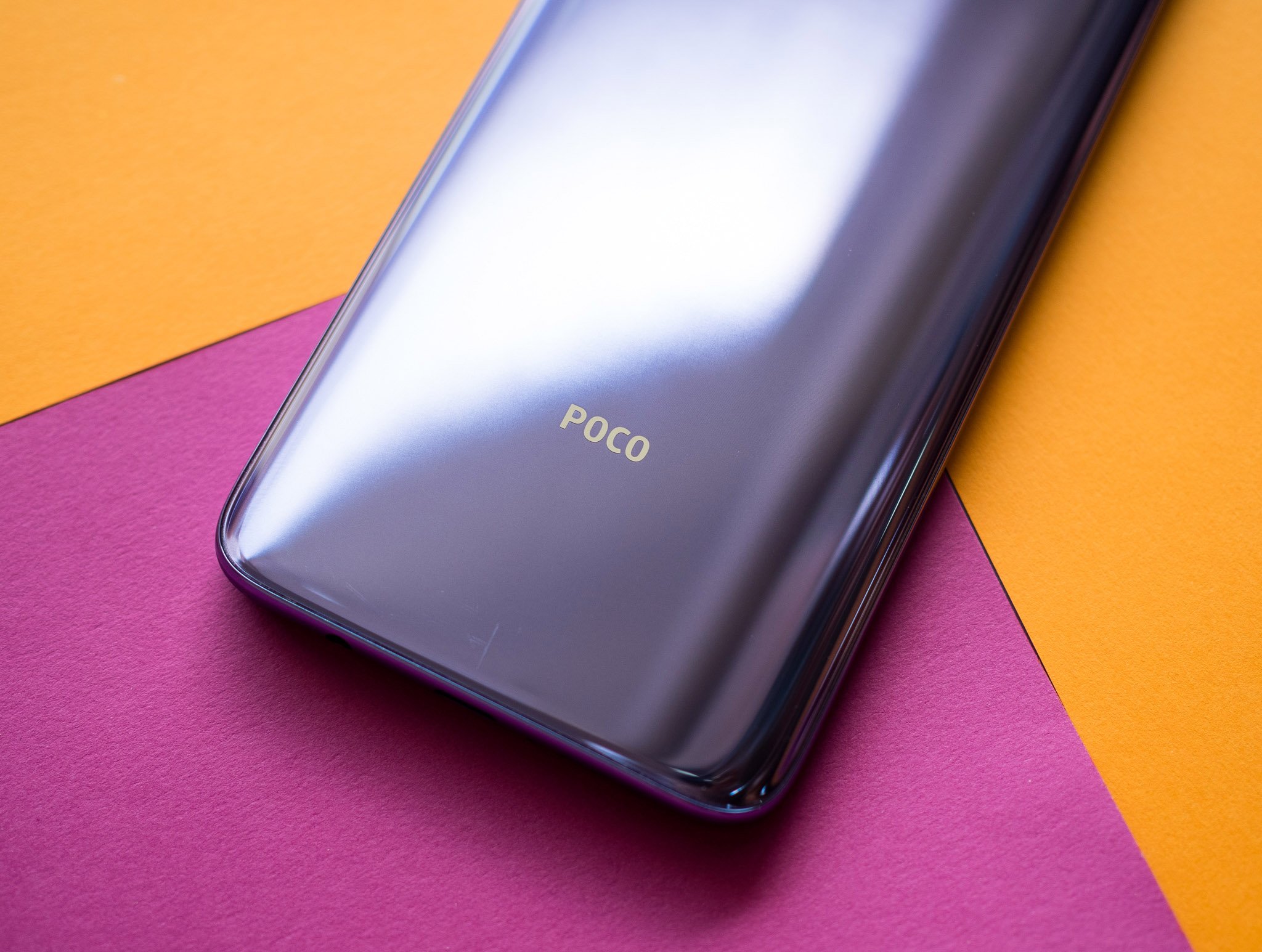
A recent rumor had claimed that the Redmi K30 Pro will soon launch in global markets as the POCO F2 Pro. While POCO has focused only on the Indian market so far, it appears the F2 Pro could be the brand's first phone for global markets.

As per a new report from Portuguese website 4gnews, the POCO F2 Pro will be nearly as expensive as the OnePlus 8 in Portugal. The publication claims the upcoming POCO flagship will start at €649 ($712) in Portugal for the base 6GB/128GB version and go up to €749 ($823) for the 8GB/256GB version. For reference, the OnePlus 8 with 8GB RAM and 128GB storage is priced at €719 in Portugal, and the POCO F1 had been launched in Europe at a starting price of €329 in August 2018.

Since the POCO F2 Pro is expected to be based on the Redmi K30 Pro, it will likely be identical to the Redmi flagship in most areas. The Redmi K30 Pro is powered by a Snapdragon 865 processor and sports a 6.67-inch FHD+ AMOLED display. It also has a quad-camera array on the back with a 64MP primary sensor, a motorized pop-up 20MP selfie camera, and a 4700mAh battery with 33W fast charging.

What might disappoint many POCO fans, however, is that the Redmi K30 Pro only has a 60Hz display. The Redmi K30, which was launched as the POCO X2 in February this year, features a 120Hz display.

POCO X2 review: A great phone once you look past its Redmi K30 origins

Wyze Band review: A worthy $25 fitness tracker with Alexa onboard

Why pay more if you don't need to?
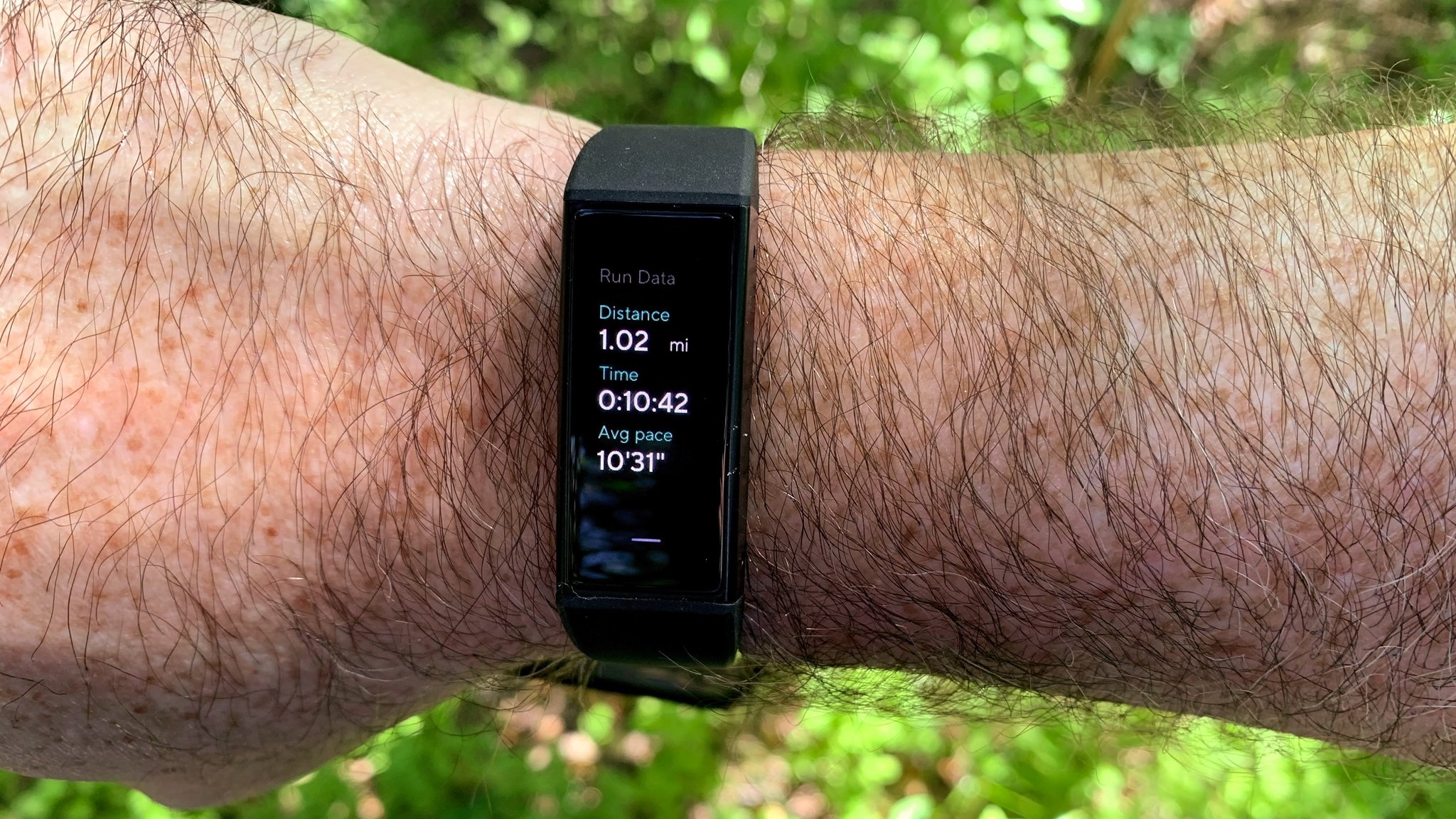
Fitness trackers are usually priced well below smartwatches because they tend to offer fewer features, and that's certainly the case here with the new Wyze Band. It doesn't have onboard GPS, nor music storage, nor the ability to respond to app notifications. You can't automatically trigger a workout, or engage in step competitions with your buddies.

Despite these shortcomings, the Wyze Band does do most of what you'd want or expect a fitness tracker to do, at less than half of the price of market-leading bands like the Fitbit Inspire HR, and less than a third the price of the new Fitbit Charge 4.

Are there compromises here? Of course. But the whole package was compelling enough for this Fitbit fan to want to test drive the first wearable from Wyze to see if it might be worth my while. In the process, I learned a lot about what is possible at such an affordable price point, and what sacrifices have to be made to achieve that price.

Wyze Band

Bottom Line While it may not have all of the features that you might want, the Wyze Band offers a lot more than you'd probably expect for only $25, and I only expect it to get better over time. This first fitness tracker from Wyze is ideal for first-timers who aren't drawn to the social aspects of apps like Strava and Fitbit. With its connection to the smart home and Alexa, as well as its color screen and great battery life, this band should exceed most people's expectations, just as it did mine.

Pros

  • Can't beat the price
  • Color AMOLED screen
  • Alexa integration
  • Long battery life
  • Smart home controls

Cons

  • No social integrations
  • Only one exercise mode
  • No automatic exercise detection
  • No GPS of any kind
  • Alexa and smart home features required app to be constantly running in background

$25 at Wyze

How it measures up

Specs Wyze Band
Dimensions 4.38 x 3.25 x 1.25 inches
Weight 2.6oz
Strap Length 9.5 inches
Fits Wrist Circumference 6.1 - 8.6 inches
155-220mm
Display Size .95 inches
Water Resistance 5ATM
164ft for 10 minutes
Display AMOLED color screen at 282 ppi
Connections Bluetooth LE 5.0
Battery 120MAh
10 days of normal use

I've worn several different smartwatches and fitness trackers in my day, from the Fitbit Charge 2 to the Fitbit Ionic; from the Nike+ FuelBand to the Apple Watch; from the Garmin Forerunner 405 to the Garmin Forerunner 35, so I'd like to think I have a good amount of experience with this type of hardware to be able to tell a bad device from a good one

Based on that background, I should have known going into this review that the price of a tracker doesn't always correlate with the build quality, durability, or feel of the device. Heck, my original Garmin Forerunner cost over $300 in 2009, and it felt like a plasticky chonky brick compared to this $25 Wyze Band.

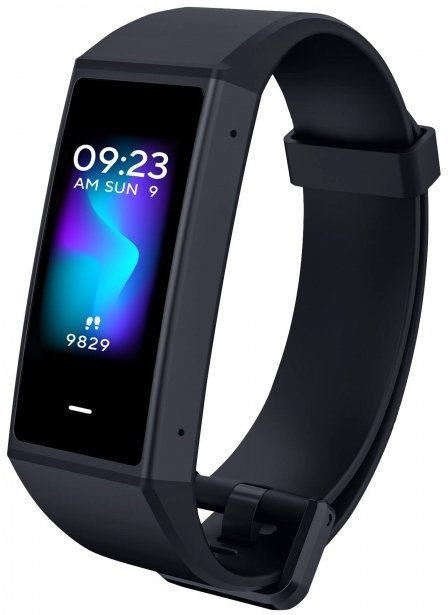
Size-wise, the Wyze Band is pretty comparable to the Fitbit Charge 3 I've been wearing since 2018. The length of the watch part is longer than the Fitbit, but the weight is about the same. It sports a better screen than the Fitbit, which is AMOLED and color, as opposed to OLED and black and white, and the battery lasts several days longer as well.

The Wyze Band comes with 11 different screens or mini-apps that you can customize to a certain degree through the Wyze app. These include the ability to change the clockface with six different font color choices, five different clock faces, and five different background colors or patterns. This is nothing compared to options on something like the Fitbit Versa, but it's loads better than what you can do on a Fitbit Charge device.
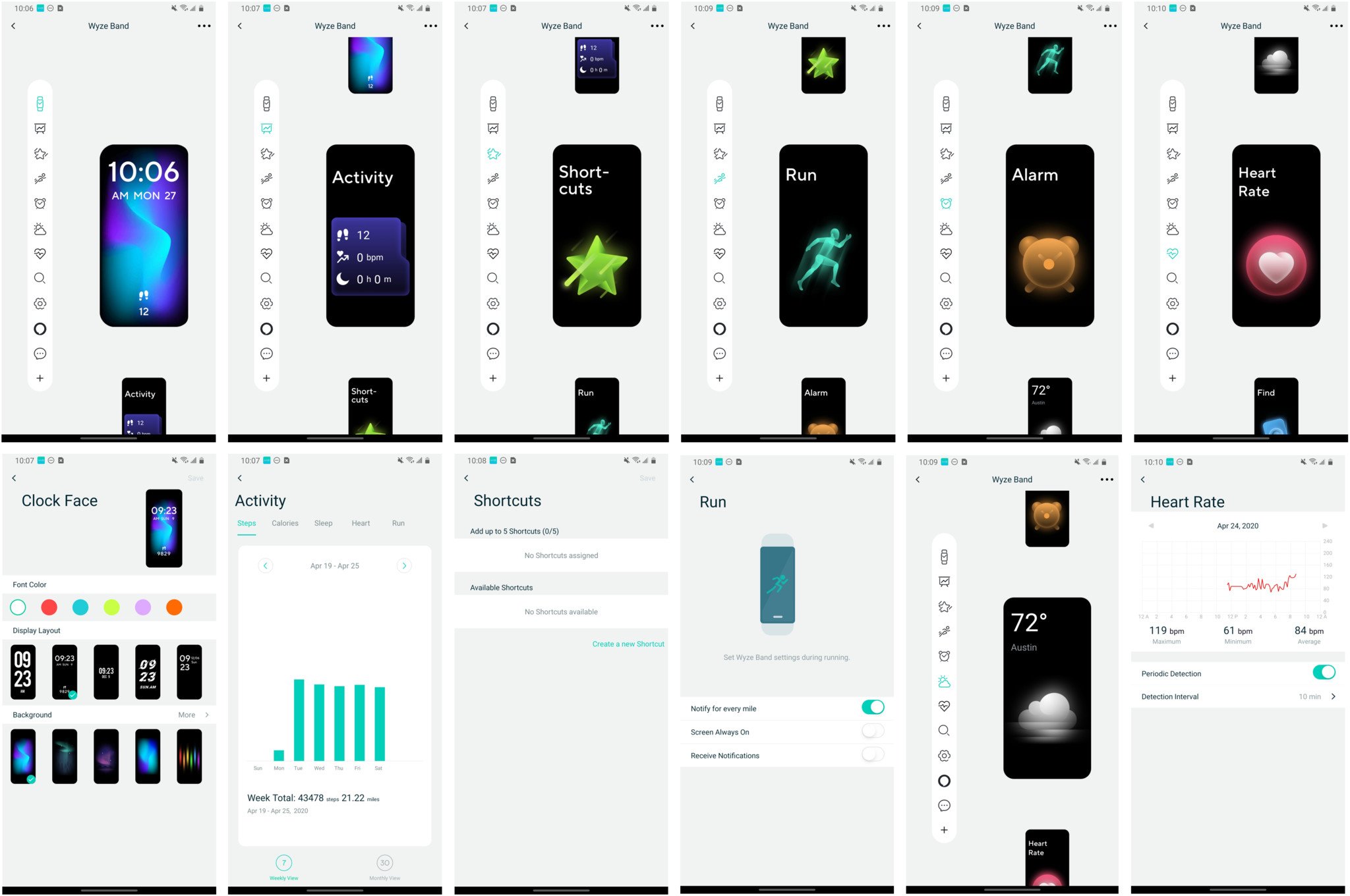
The Activity screen gives you a quick glance at your steps, heart rate, and sleep data, and you can dive a bit further into that in the app for historical context. The Shortcuts app is really interesting in that it allows you to create min-routines with your other Wyze smart home devices, and activate them with a tap. Unfortunately, I do not currently have any Wyze devices in the house, so I was unable to test this feature out.

The only exercise mode currently supported by the Wyze Band is running, and you can start a workout just by navigating to this app and tapping on it. However, there isn't automatic workout detection, which is kind of a bummer.

The Alarm, Heart Rate, and Weather apps are all what you'd expect — nothing too exciting, but nice to have nonetheless.
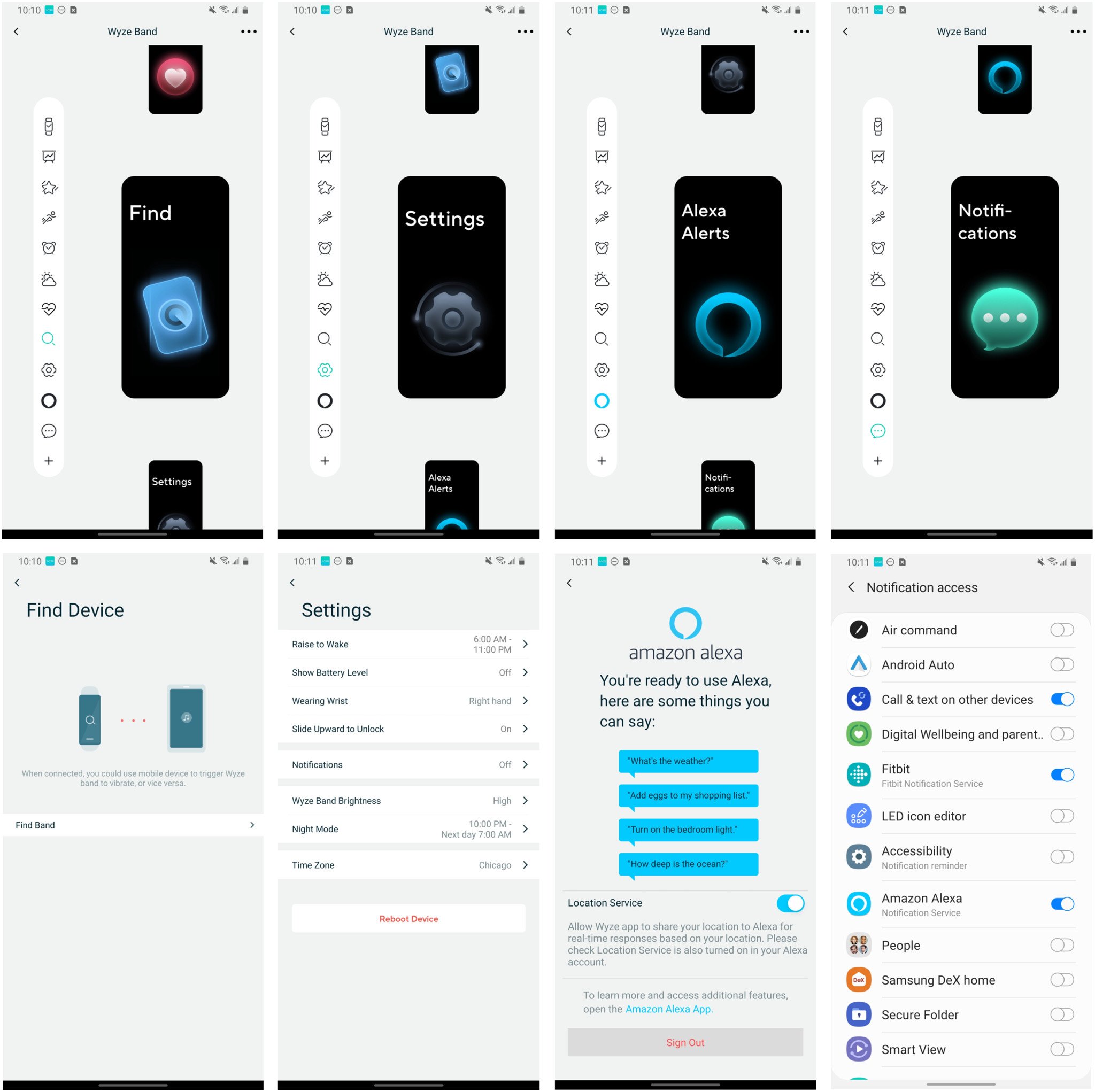
In addition to the Shortcuts app, the two most impressive apps/features on the Wyze Band are the Find app and the Alexa integration. The Find app is just what it sounds like, and I found it to be very useful. You can tap on the app on your wrist to locate your phone (mine always falls in the couch cushions), or, if you've misplaced your watch you can locate it from the app on your phone.

The Wyze band comes with two microphones to support Amazon's Alexa smart assistant. It works here in a similar manner to the Fitbit Versa 2, and since it does not have speakers, any answers or actions will appear on the screen. Still, you can ask for things like the weather, adding items to a shopping list, general trivia, or activating smart home skills and devices.

Finally, I found the notification support well-implemented and robust, but the band does not allow for any sort of response. There is a smart do not disturb mode, but that's about as smart as it gets.

I'm with this band
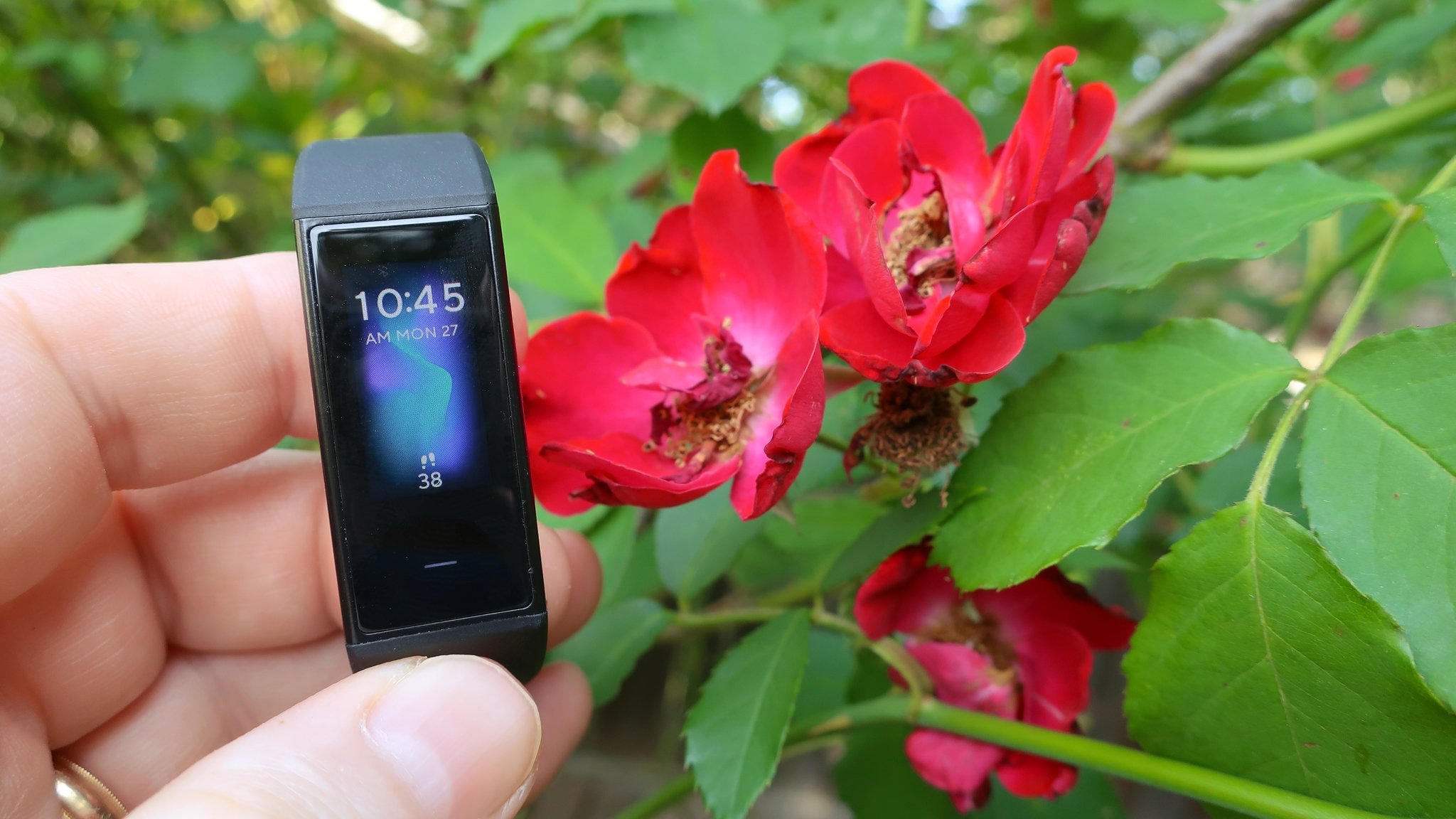
I put it in the headline for a reason, but the most impressive thing about this smart fitness tracker is its price. Twenty-five dollars? Are you kidding me? For that price, you'd expect something that doesn't work or doesn't have an accompanying app. But that's not what you get with here.

This thing is only $25? Are you kidding me?

First off, you get a fitness tracker that can measure things like heart rate, steps, and running metrics. You get app notifications and smart home integration. And, you get access to Amazon's Alexa voice assistant on your wrist for more than $150 less than the Fitbit Versa 2. That Alexa access may be a bit limited (there are no speakers for her to reply to you by voice), but it's basically the same experience you'd get on the more expensive Versa 2. You can ask Alexa the weather, to add items to a to-do list, or to control smart home devices. Pretty neat, especially for the price.

Speaking of smart home controls, Wyze built this band with its smart home devices in mind. There is the Shortcuts app that I mentioned earlier, which allows you to create automations with your Wyze app and trigger them from a tap on your wrist.

The other feature that really impressed me was the Find app. This operates like the find my phone/device apps you may have on your smartphone, or like the Roku remote finder. If you misplace your phone, just tap on the app on your wrist and a notification chime will play to lead you to your phone. It works in reverse too — if you've misplaced your Wyze Band, just open the app on your phone and tap into the Find app to locate your tracker.

This band also comes with an AMOLED color screen, featuring (somewhat) customizable watch faces. It's a bit bigger, brighter, and overall easier to read than the black and white OLED screen on my Charge 3. I wouldn't say it's as important as I initially expected it to be, but it is pretty, and I could see it better in sunlight than my Fitbit.

As you can see from the screenshots above, the app interface is fairly clean and intuitive. You can tap on the smaller icons or just scroll through the larger thumbnails to switch between apps, and tapping on an app opens up access to additional settings, preferences, and data.

Lastly, I was really impressed with the battery life. Wyze claims 10 days of battery during "normal" usage, and I have to say that this tracked with my experience perfectly. I wore the Wyze Band for about a week and a half and never charged it once. As I write this review, it's still at 46%.

Smart sacrifices
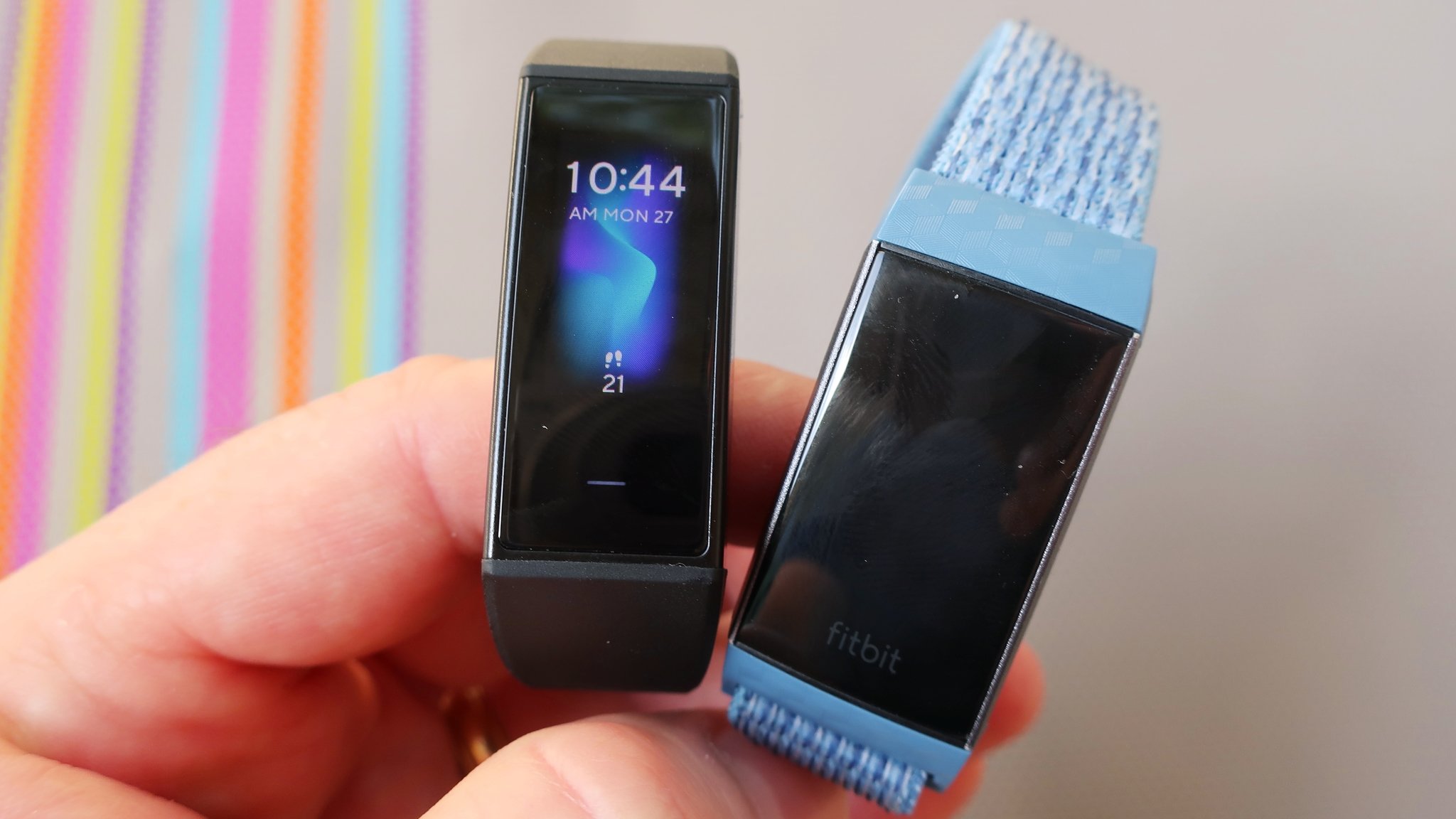
As much as this inexpensive fitness tracker gets right, there are still several areas where it could stand to improve. Some of these improvements could theoretically be pushed via software or firmware updates, while others will have to wait for a second-generation device.

The first thing I noticed right off the bat that the Wyze Band was lacking was any kind of social integration à la Strava or Fitbit. There is currently no way to connect this device to any kind of social platform, nor can you compete against friends or strangers within the app. This is probably not a huge deal for some, but it could be a deal-breaker for many.

The absence of social integrations and competitions will likely turn off many prospective buyers.

The other major misses when it comes to fitness tracking are in the lack of exercise modes or features. The only supported exercise mode right now is running (no yoga, weightlifting, HIIT, swimming, etc), and that even has to be activated manually, as there is no automatic exercise tracking. Additionally, I'm happy to give Wyze a pass on the fact that there is no onboard GPS tracking with this device, but I was a little disappointed to see that it didn't support connected GPS either.

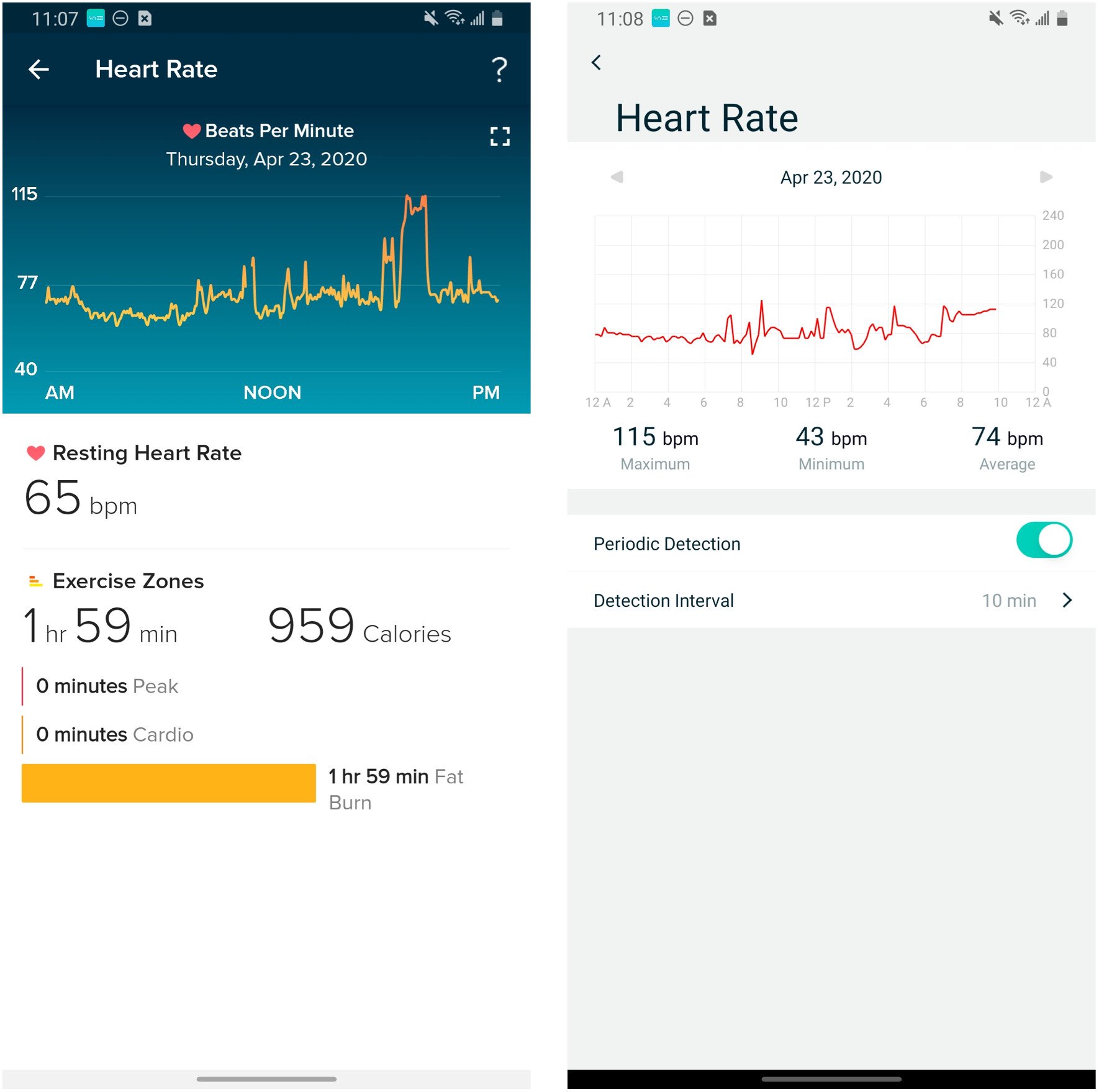
You've probably heard that the accuracy and consistency of fitness trackers can vary wildly between manufacturers and between devices, and while it wasn't too dramatic, I did notice a difference between the data I was getting from my Fitbit Charge 3 and the Wyze Band. For example, on one day the Fitbit Charge 3 calculated my resting heart rate at 65 bpm with a peak around 115 bpm, while the Wyze Band registered my resting heart rate at 74 bpm (though it had the same peak rate).
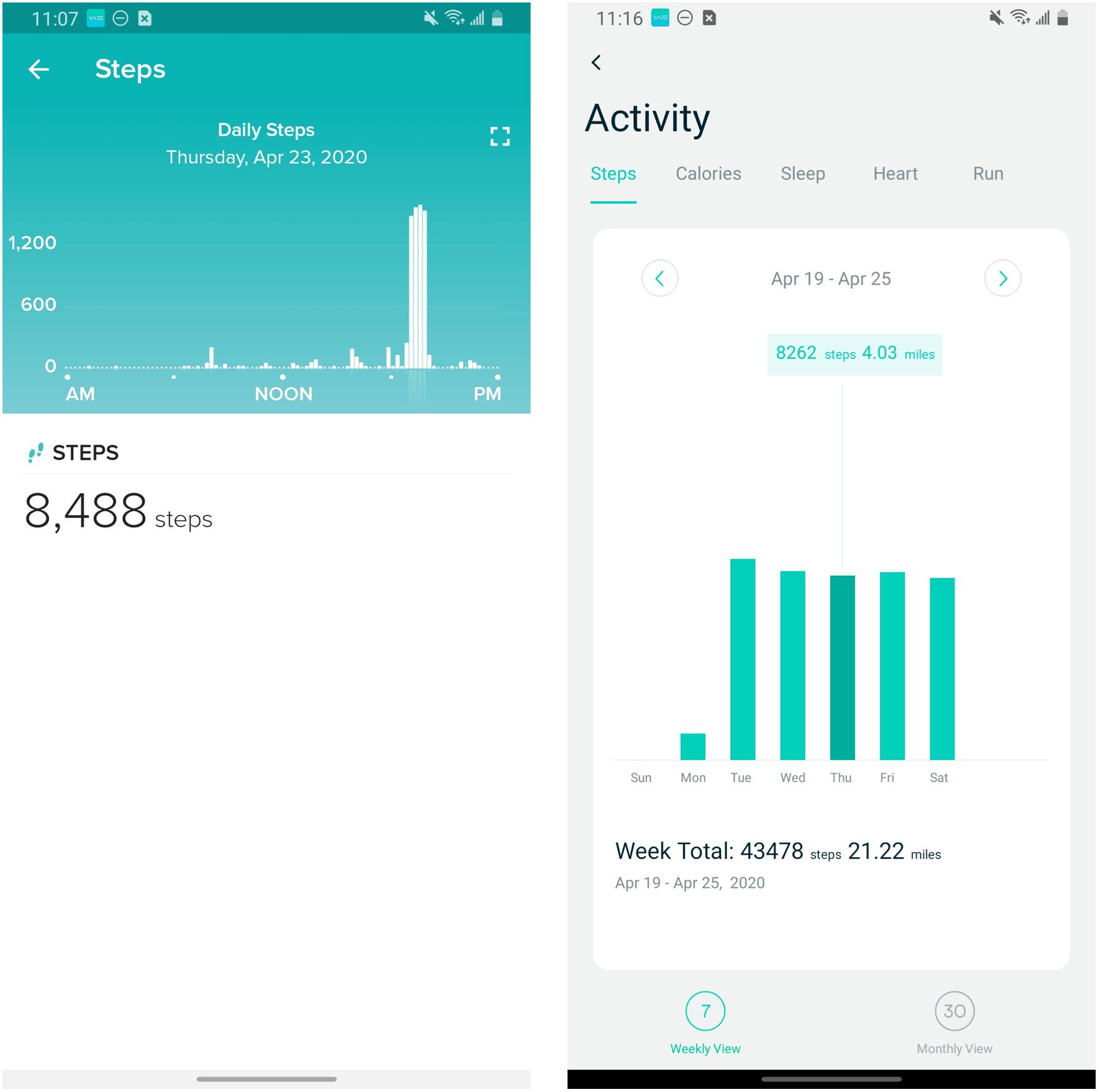
On the same day, the Fitbit Charge 3 registered 8,488 steps, while the Wyze Band pegged me at 8,262. That may seem like a big difference, but 200 steps are about how many I get cooking dinner or doing the dishes and tidying up in the kitchen in half an hour, so it's not really that much. Plus, I can't guarantee with 100% accuracy that I had both bands on all day. Plus, plus, I wore these devices on different wrists, so there are bound to be some inconsistencies based on my natural, daily movements.
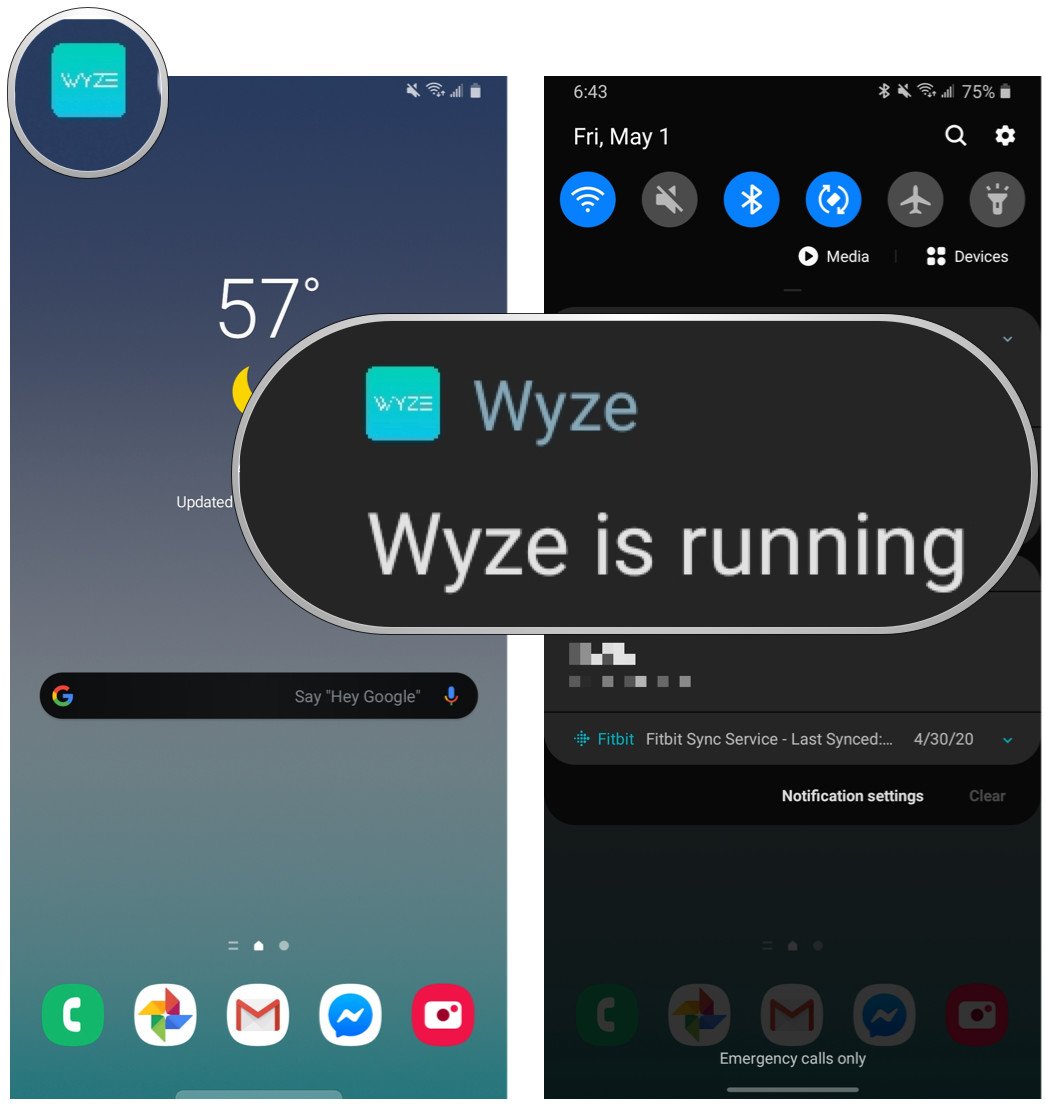
I'd be remiss if I didn't address a pretty major flaw that I admittedly didn't notice at first when testing the Wyze Band with my iPhone XR (it was there, I just didn't see it at first), but then immediately saw on my Galaxy Note 9. You see, in order to be able to use the Alexa features and smart home shortcuts that Wyze touts, the app has to be continually running in the background. If you have it running on your Android phone, you'll notice it right away in the status bar and notification shade. While I didn't experience a drastic battery hit, I can certainly see how this could be a problem for some, and it's one that Wyze should address in an update as soon as possible.
Finally, the band itself was pretty comfortable to wear but did have a couple of minor complaints with the fit. For one, the length of the screen component seems much longer than my Charge 3, and when the band moved around on my wrist, it sometimes poked into my wrist bones and felt uncomfortable. The silicone band felt nice, but I'm not a big fan of the peg and hole type of closures. Even still, it never came undone when I wore it, whether during exercise nor the tossing and turning of sleep.

Word to the Wyze
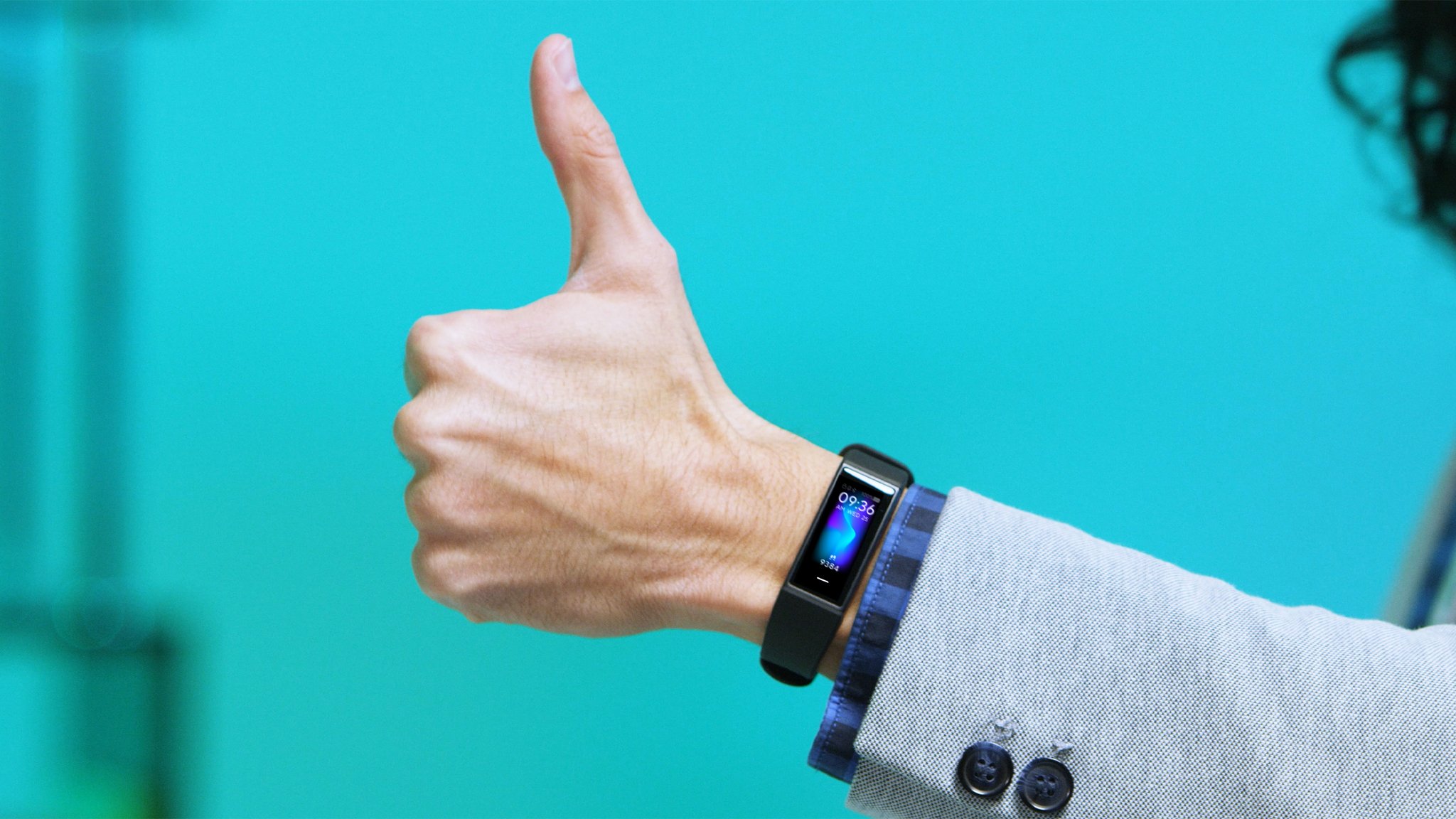
Should you get the Wyze Band? It's not for everyone, but I can say that I feel 100% comfortable recommending it to the right person. But just who is that person?

4 out of 5

Well, if you're someone who wants a quality fitness tracker to measure basic metrics like heart rate, step count, and sleep habits, then this is a no-brainer to pick up; particularly if this is your first fitness tracker, and if you don't have any investment in other fitness ecosystems.

If you're someone who already has Wyze smart home products, or is considering them, then this could be very handy for you. And if you're a regular Alexa user who relishes the idea of taking your smart assistant with you wherever you go, then even better!

But if you're someone who is a fitness nut, or for whom detailed metrics and social competitions matter, you would be much better served with something like the Fitbit Charge 4 or Garmin Forerunner 245. Wyze may add more in-depth tracking features and social components, or integration with Strava at a later date, but those things are not here right now.

All things considered, the Wyze Band is a solid first foray into the fitness world by Wyze. I'm excited to see how they continue to improve it, both in this generation and in future editions!

Wyze Band

The Wyze Band is a solid option for a casual fitness tracker. With home automation capabilities, built-in Alexa, and a color AMOLED screen, you're getting a lot here for just $25. Sure you miss you on more advanced fitness tracking and social features, but if those things don't matter to you, why pay for them?

$25 at Wyze

Not everyone can use 5G, so here's how to turn it off on your Galaxy S20

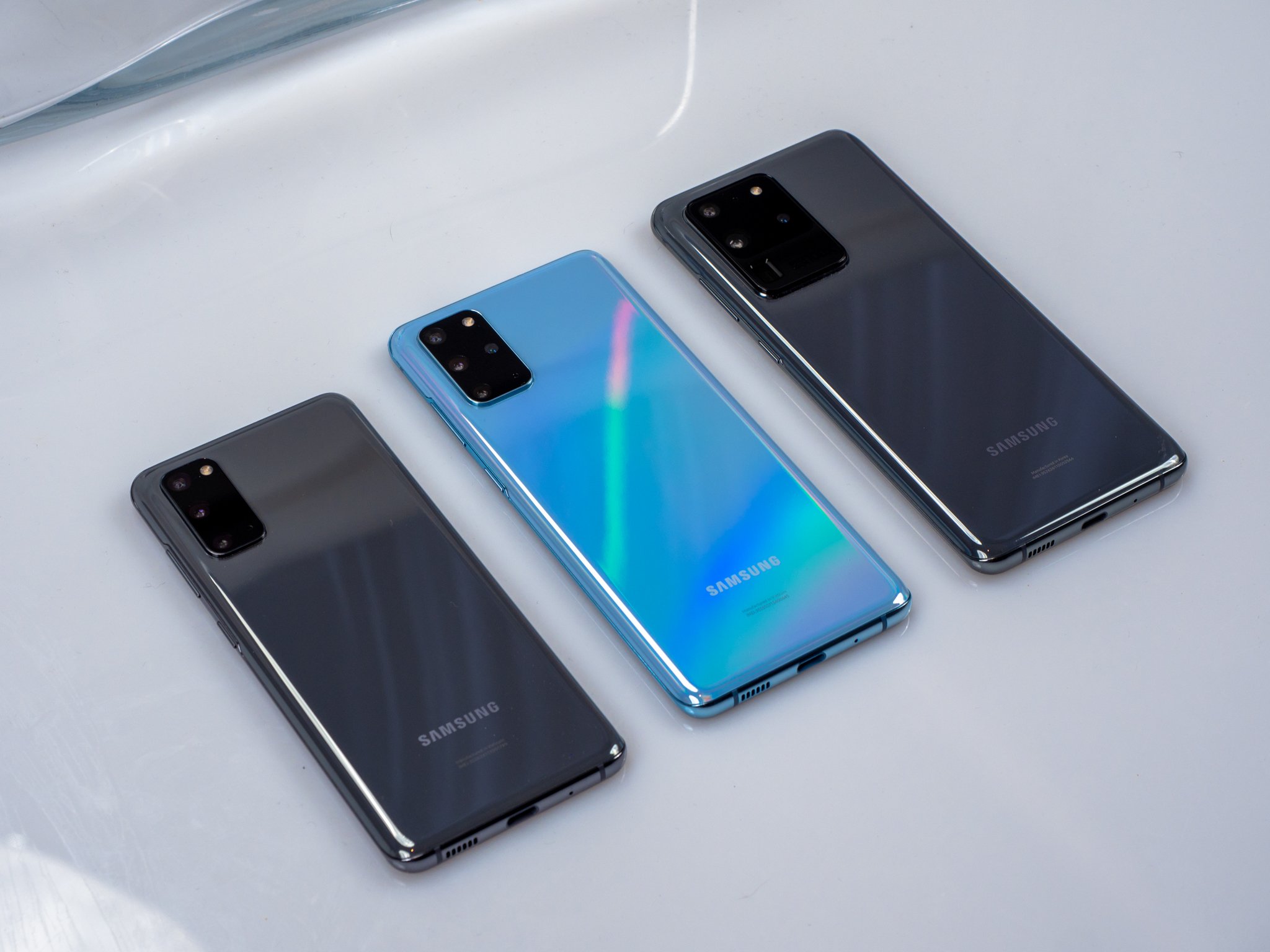
The latest Samsung Galaxy S20 phones are arguably some of the best smartphones on the market right now, complete with top-of-the-line screens, excellent cameras, and powerful Qualcomm 865 processors. One unique aspect of the 865 is that a 5G radio is included, whether you need it or not. If you have an S20 or are thinking about purchasing one, but you don't live in an area that can benefit from the 5G radios at the moment, here's how you can turn it off (and maybe save some battery power in the process).

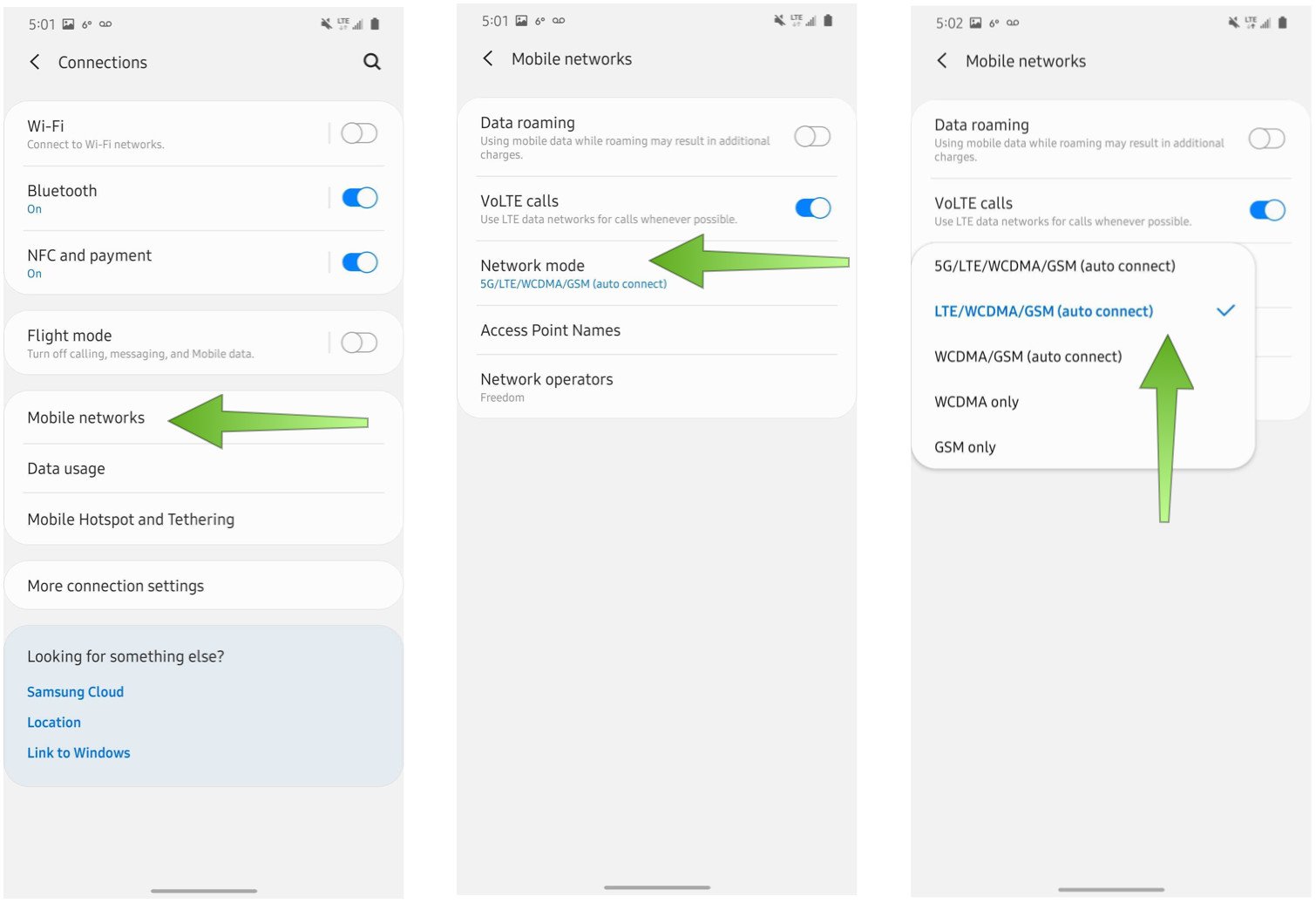
How to disable 5G on the Galaxy S20

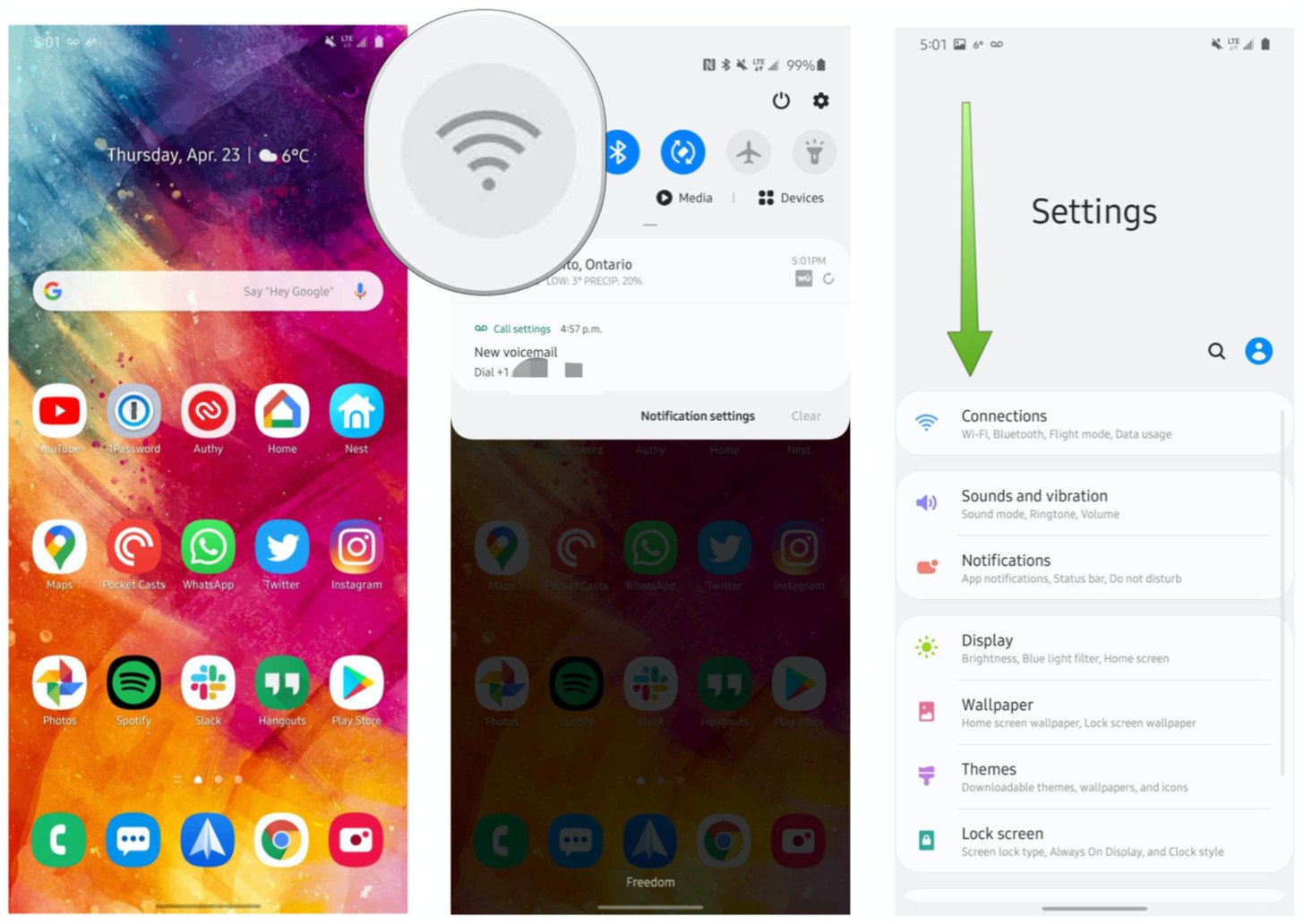
  1. Open the Settings app on your home screen or app drawer, or slide down from the top of your screen.

  2. Tap on Connections.
  3. Tap on Mobile networks.
  4. Tap on Network mode.
  5. Tap on LTE/WCDMA/GSM (auto connect) or one of the other non-5G options.

Now your S20 won't try to connect to any 5G towers. You don't technically need to do this, as most experts agree that any battery savings from turning off the 5G radio are minimal, but the option is there if you want it.

Is it worth it to do this?

Honestly? Probably not. Understandably, people might be confused about how much power these 5G radios draw while in use, especially in areas that don't have much 5G coverage. The confusion or paranoia is also understandable when you consider what a mess the 4G/LTE rollout was in its early days. Back then, turning off 4G could have a significant effect on battery life, but that isn't really the case anymore.

According to my colleagues Andrew Martonik and Alex Dobie, with the way 5G works right now, your phone isn't constantly searching for a 5G tower. What typically happens is that your phone connects to a 4G network, and if that tower also happens to support 5G, then it will hand off your phone to the 5G signal. On some networks like Verizon, the tower won't even hand you off to 5G until your phone starts transmitting data. Other networks like T-Mobile/Sprint may be using the same antenna for 4G and 5G, so there isn't any interruption or "hand-off" as we'd typically think about it.

That's really the difference between what is known as SA (standalone) and NSA (non-standalone) 5G. Currently, most of us are seeing NSA, meaning that all of our 5G connections are tied to existing 4G connections, so our phones aren't going to be wasting valuable battery power searching for a separate 5G connection. The phone will search for 4G towers, and the tower reports back what it has and whether or not that includes 5G.

TL;DR: If you live in a small town in rural America, you can turn off 5G because you'll probably never see it anyway, at least not for a long time. But your phone knows that it won't see 5G because all of the 4G towers it does connect to tell it that.

Carrier support

As we mentioned in our how-to about enabling VoLTE on a Galaxy phone, the exact menu options and steps may vary slightly from carrier to carrier and location to location. Check with your specific carrier if you still have questions on how 5G service works on their network.

Our top equipment picks

If you were on the fence about getting the new Samsung Galaxy S20, jump off and join us — we think it's one of the best Android phones of the year!

Out of this world

Samsung Galaxy S20

$1,000 at Samsung $1,000 at Amazon

Among the best

With the richest 120Hz screen around, battery for days, and top-of-the-line performance, Samsung makes a flagship that justifies its premium price without being too full of itself or too overstuffed to hold comfortably. With or without 5G enabled, this Galaxy is still a battery champ.

Additional Equipment

Here are a few accessories to safegaurd your premium Samsung Galaxy S20.

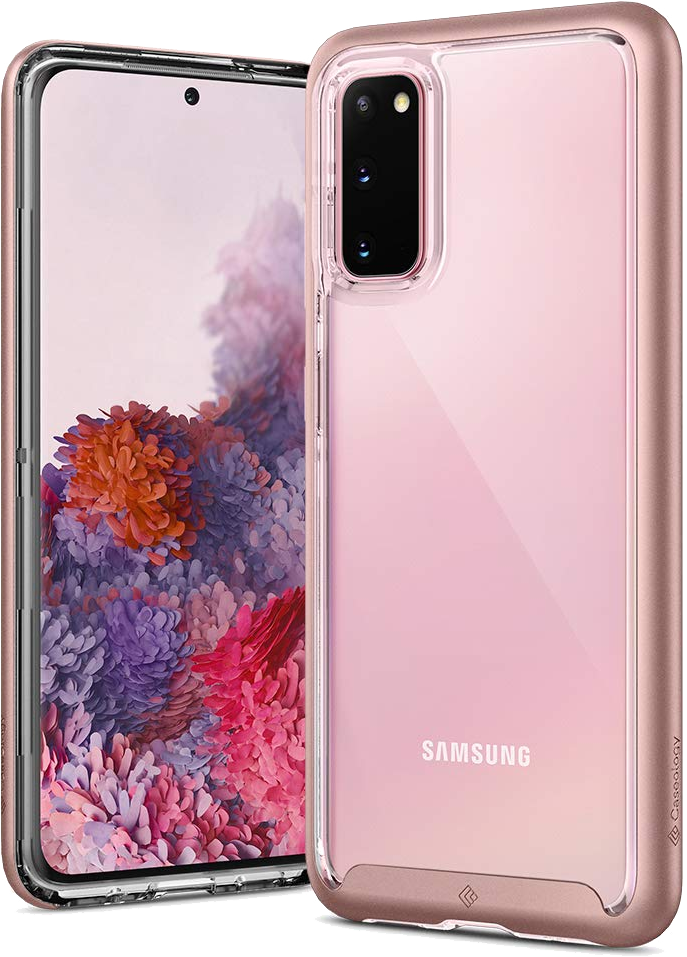
Caseology S20 Cases

From $11 at Amazon

Caseology makes some of the best cases around, with styles to match just about any personality. They also come in sizes from the regular S20 on up to the Ultra.

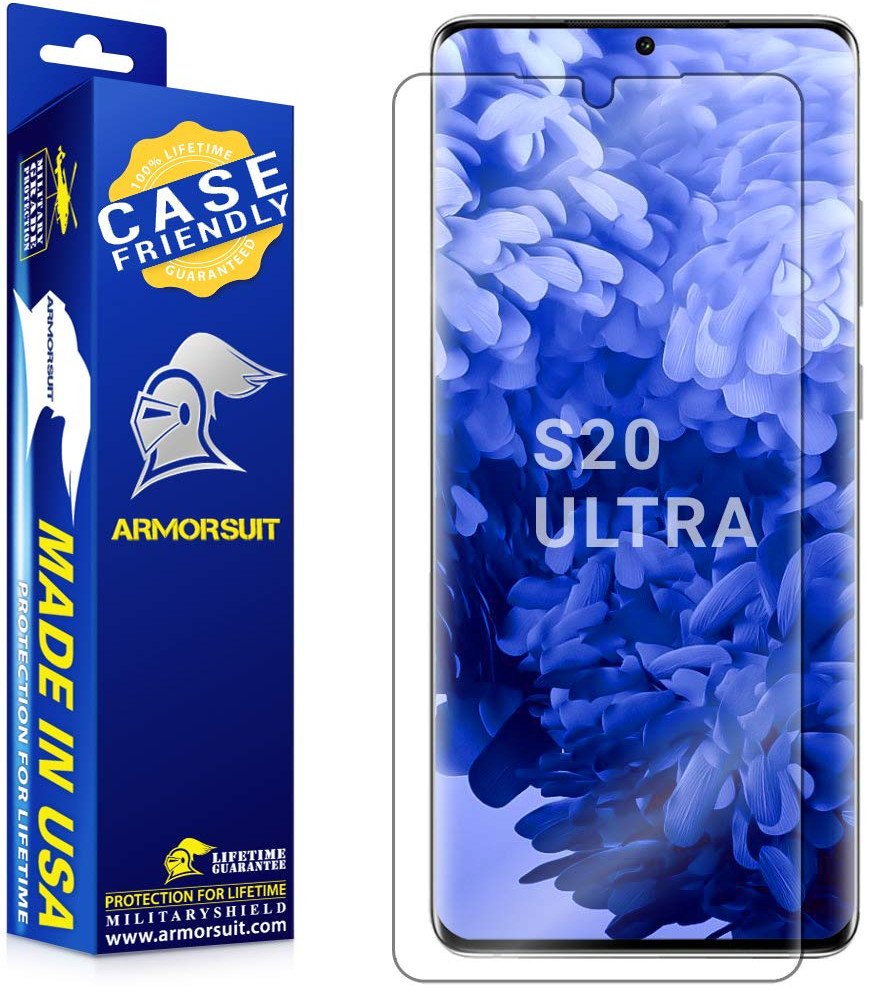
Armorsuit Screen Protectors for Samsung Galaxy S20

$8 at Amazon

You probably want to keep your $1,000 phone screen pristine, and these protectors will do just that. Plus, they come in a three-pack in case you damage or lose one.

PopSockets Swappable PopGrips

From $10 at Amazon

Not only are these fun to fidget with, but they help you get a handle on your massive phone. Plus, they look cute too.

Add Alexa to your car for $19 with this Anker Roav Viva car charger deal

Amazon's Alexa voice assistant doesn't just have to stay at home. With the Anker Roav Viva USB car charger, you can bring Alexa anywhere and start using the voice service to get directions, listen to the news, play your favorite songs, and more — all by simply asking. It even comes with a magnetic dashboard mount to hold your phone while you drive, and today the set's on sale for just $18.99 when you buy it via Anker's official eBay store. That saves you $20 off the bundle's current Amazon price, though it was selling for $60 up until the end of last year.

With Alexa in your vehicle, you won't need to ask your passenger to figure out directions or find traffic updates. Just ask Alexa to take care of things. Say the word to hear directions to your destination, the latest news and sports, and more. You can even make purchases on Amazon by asking Alexa to buy something for you, or control compatible smart home devices. It has two built-in USB ports so you can also charge your phone and another device while you're on the road.

One of the best features of the Roav Viva is its ability to play songs for you. That way you can still act as a DJ and play what you want to hear while driving down the road. Alexa is able to access not just Amazon Music Unlimited but also services like Apple Music and Spotify if you have an account.

You can also take calls using the Roav Viva, thanks to its two integrated microphones which feature noise cancellation and voice identification to help focus on the conversation at hand. The device can be connected via Bluetooth, CarPlay, Android Auto, or even plugged into your vehicle's aux input. Anker includes a one-year warranty with its purchase.

You can now pre-order HBO Max and save $36 on a year's subscription

The deal is good until May 27.

What you need to know

  • HBO Max launches on May 27.
  • You can sign up now and get 12 months for $11.99 a month for the first year.
  • After that it'll cost you $14.99 a month.

If you're looking to save a few bucks on HBO Max, here's a rare opportunity to do so. From now until 3 a.m. Eastern on May 27 — which is when HBO Max officially launches — you can pre-order the service for $11.99 a month. That's down $3 from the usual asking price, and it's good for new subscribers as well as those who are returning HBO Now subscribers.

One other piece of fine print that's worth mentioning: Supposedly there are "a limited number of subscriptions" to this digital service, so act now while supplies last ... to this digital service that has no actual physical scarcity.

But no matter. Saving $36 here is $36 you can spend somewhere else. The only question is how that could affect being able to access HBO Max through a third-party service like AT&T TV Now or YouTube TV or Hulu. And HBO Max notes that you're just preordering the service at a lower price — you're not actually going to get it early or anything, or have a free trial.

HBO Max is the upcoming streaming service from WarnerMedia that very much is the HBO you've come to know and love. But it's also full of content from other WarnerMedia properties, including TBS, TNT, truTV, CNN, Cartoon Network, selected works from Turner Classic Movies, and more.

It'll be available pretty much everywhere HBO is currently available. And if you're thinking that HBO Max is replacing the legacy HBO, well, you're right. The WarnerMedia folks very much want you to switch to HBO Max. But the two services will live in parallel for the time being. So it's also not replacing the legacy HBO. Not yet, anyway.

More: What's the difference between HBO and HBO Max?

Here's the full fine print on the pre-order offer:

This offer is for new subscribers and returning eligible HBO NOW subscribers. Between April 30 at 9:00 pm ET and May 27 at 2:59 am ET, a limited number of subscriptions to this HBO NOW/HBO Max promotional offer are available at a discounted price of $11.99/mo. Participation requires the provision of a valid payment method. After the 12-month discounted subscription period, HBO Max will charge you $14.99 each month plus tax, if applicable, on a recurring basis unless you cancel before the renewal. To change or cancel your subscription, see Billing Information in your profile settings. HBO Max supported devices may differ from HBO Now. Check the offer FAQs for additional information. NO FREE TRIALS WILL BE AVAILABLE DURING THIS OFFER PERIOD.

Otherwise, have at it.

To the Max

HBO Max

$11.99 a pre-order deal

It's not just HBO — it's HBO Max

Think of HBO Max this way: It's the best of HBO (as in all of it), plus more from the greater WarnerMedia empire, with content from TNT, TBS, Cartoon Network, TCM and more!

The Marshall Monitor II offer great sound and ANC in a gorgeous package

These latest headphones from Marshall are darn impressive.

In the world of wireless headphones with noise-canceling, Bose and Sony tend to be the go-to options. Time and time again, both companies have proven that they create some of the very best audio gear in this department. However, if you aren't a fan of what either one is offering, what's a person to do?

One alternative you may want to consider comes from Marshall. The company's Monitor II ANC headphones are the first noise-canceling cans the company has ever created, and they're clearly gunning for that Bose and Sony market with a very similar (albeit slightly lower) price.

Marshall hasn't completely dethroned the likes of the WH1000XM3, but the Marshall II ANC are an excellent attempt that get more right than wrong.

Marshall Monitor II ANC

Bottom line: The Marshall Monitor II ANC are a fantastic alternative to the Bose and Sony's high-end wireless headphones. From a striking design, great sound, and effective noise-canceling, the Monitor II nail all of the basics. I also really love the control knob for managing playback, not to mention the passthrough button to quickly hear the world around you without taking the headphones off. If you can get over the high price and the lack of an aptX audio codec, the Monitor II ANC are well worth the investment.

Pros

  • Great, well-balanced sound
  • Leather design looks outstanding
  • Very effective noise-canceling
  • Passthrough mode is handy
  • Excellent playback knob and buttons

Cons

  • No aptX codec
  • Fierce competition
  • High price

$320 at Amazon $320 at Best Buy

Marshall Monitor II ANC What's hot

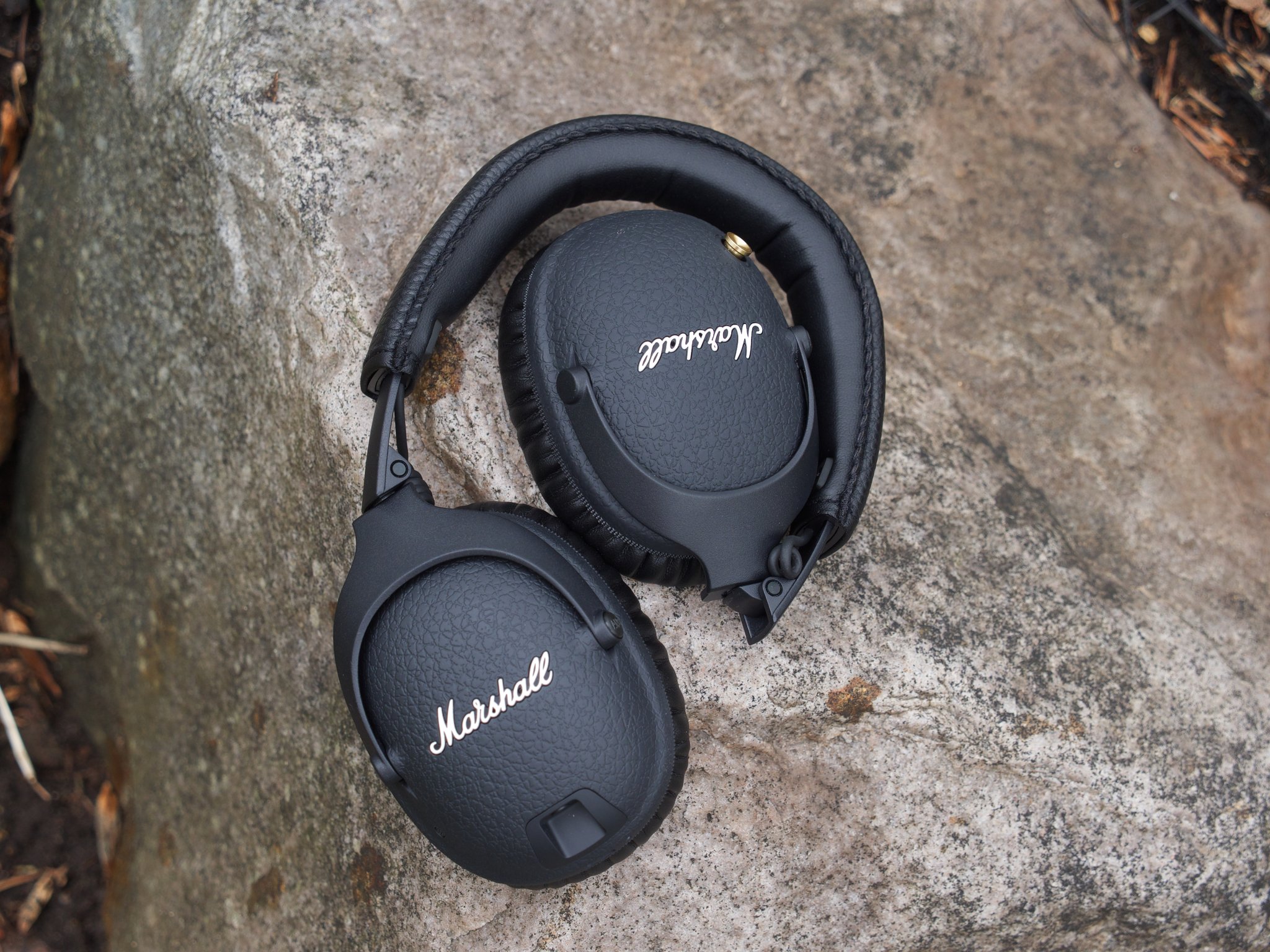
If there's one thing the Marshall Monitor II ANC do definitively better than Bose and Sony's latest headphones, it's the design. This is a pretty subjective thing depending on your own personal taste, but I absolutely love the way the Monitor II ANC look.

The leather headband and accented stitching look gorgeous, the soft and spacious leather earcups feel outstanding, and a faux leather texture on the outside of the cups ties the whole aesthetic together. I also really like the white Marshall logo on either side and the gold control knob, adding a little bit of pop to the otherwise black paint job.

Personally, this design is much warmer and more inviting than a lot of other headphones I've used. Especially coming from the cold metal/plastic body of the QC35 II, I really dig what Marshall did with the Monitor II.

Going back to that control knob, it's simply excellent. All of your playback is controlled through this single button, which works as follows:

  • Press to play/pause
  • Move up/down to adjust volume
  • Move left/right to switch between songs

Cramming so much functionality into a single area might sound daunting on paper, but in reality, it's my favorite control method out there. Rather than having to hunt for a bunch of different buttons, everything is in that one spot and easy to access. Pair that together with wonderful tactility when using the knob, and I'll take this any day over more traditional playback controls.

Speaking of buttons, you'll find two other ones on the Monitor II ANC — an "M" button and a noise-canceling button. The M button is essentially a multi-function button that you can customize, and it can be used to trigger the Google Assistant, Marshall's own voice assistant, or cycle between your three pre-made equalizer modes. I have mine set to trigger the Google Assistant, and it works just as you'd expect. Press the button, ask a question, and the Assistant is right there to lend a hand.

As for the noise-canceling button, this cycles you between ANC and a passthrough mode that allows you to hear the world around you even with the headphones on. The passthrough mode is super effective, and I like that it'll automatically pause whatever you're listening to when you enable it and then resume it when you disable the feature. Alternatively, holding the button down will shut off ANC altogether so you can save on battery life if you're running low on juice.

Noise cancellation on the Monitor II is extremely effective.

On the note of noise cancellation, I've been very happy with its performance on the Monitor II. The low rumble of a dishwasher or dryer is blocked out completely, and even the clickety-clack of my mechanical keyboard is diminished to a subtle thud when ANC is enabled. I like that Marshall allows you to adjust the intensity of the noise cancellation through the companion app, done simply with a slider that can go from 0-100%.

The noise-canceling here is ideal for helping you focus on the song or podcast you're listening to, and in these regards, I'm happy to report that audio quality on the Monitor II ANC is really, really good.

To my ears, music is nicely balanced and clear without going too high or low. Bass certainly comes in with a nice thump with a song that calls for it (Wow by Beck stands out), but it never overpowers a tune or overstays its welcome.

I've been perfectly happy with the default "Marshall" EQ setting that you get out of the box, but you can change this to another preset if you'd like or create your own (there are toggles between 160 Hz and 6.25 Hz).

Rounding out the experience of using the Marshall Monitor II ANC, there are a few final things that stand out:

  • Battery life is rated for up to 30 hours per use. In other words, it's excellent. Depending on how often you're using the headphones, you can easily go through a week or two without needing to charge them.
  • When it does come time to charge, it's done via USB-C 🙌.
  • The Bluetooth 5.0 wireless connection has been extremely solid and reliable. I've yet to experience any interference and there's very minimal audio delay when watching videos.

Marshall Monitor II ANC What's not

In a bubble, the Marshall Monitor II ANC are darn near perfect. However, live in a bubble the Monitor II do not. For just a few dollars more, you could step up to the Bose 700 or Sony WH1000XM3 — the former offers some of the very best noise canceling in the business while the latter offers higher-quality audio. Speaking of which, the Monitor II strangely don't have an aptX or AAC audio codecs despite being top-of-the-line wireless headphones.

That's not to say the Monitor II ANC are bad by any stretch of the imagination, but before you spend over $300 of your hard-earned money, it's important to understand that there are other options out there that do certain things better.

On the opposite end of the spectrum, you could spend considerably less money for something like the Panasonic RP-HD605N and get a very similar experience.

Marshall Monitor II ANC Should you buy them?

Being my first-ever pair of Marshall headphones, I wasn't entirely sure what to expect with the Monitor II ANC. Thankfully, my time with them has been thoroughly enjoyable. If you're in the market for wireless noise-canceling headphones, I think these are well worth your consideration.

Although audio quality and noise cancellation isn't quite as good as other options out there, it's good enough on the Monitor II that I think most people will have a hard time telling the difference. Pair that with the downright stunning design, excellent playback controls, long battery life, and reliable Bluetooth connection, and there's not too much to complain about.

4 out of 5

You'll need to decide for yourself whether it's worth a few extra dollars to go with a pair of Bose or Sony headphones instead, but if you're searching for premium wireless headphones that do just about everything right, the Monitor II ANC should be on that shortlist of yours.

Marshall Monitor II ANC

The Marshall Monitor II ANC are a fantastic alternative to the Bose and Sony's high-end wireless headphones. From a striking design, great sound, and effective noise-canceling, the Monitor II nail all of the basics. I also really love the control knob for managing playback, not to mention the passthrough button to quickly hear the world around you without taking the headphones off. If you can get over the high price and the lack of an aptX audio codec, the Monitor II ANC are well worth the investment.

$320 at Amazon $320 at Best Buy