Intro sentence that is catchy and relates to the content.
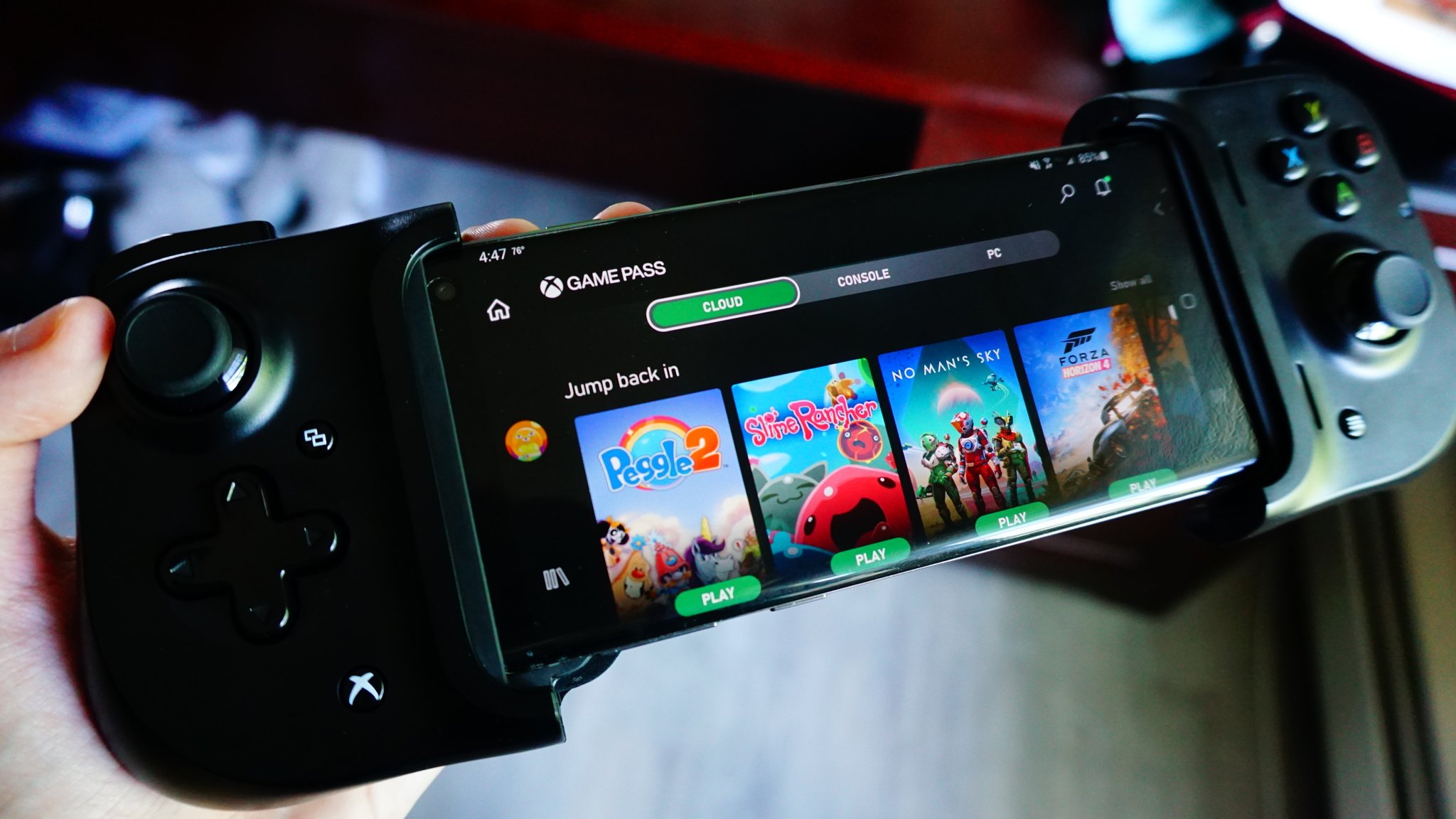
Anyone who frequents gaming spaces online or has purchased gaming accessories has likely heard of Razer. It's one of the most dependable brands when it comes to hardware and accessories. After testing out the Gamesir X2 Bluetooth mobile controller, I was given a chance to try out the Razer Kishi, specifically its Xbox-branded model. Considering how huge Xbox Game Pass for Android has become, it seemed like the perfect match.
After spending some time with it, I definitely see the Razer Kishi as my go-to mobile gaming controller going forward. While I don't think it beats an actual DualSense or Xbox controller, it's an outstanding accessory that every person should have.
Razer Kishi
Bottom line: With a comfortable grip and an excellent design, the Razer Kishi raises the bar for mobile gaming controllers. The Razer Kishi is simply a must-have mobile gaming accessory that everyone should own.
The Razer Kishi was released over the summer of 2020 and came in three different models — iOS, Android, Android (Xbox) — all black. The Android models connect to your phones through USB-C, and the iOS model uses Apple's Lightning connector. You can pick up the standard Android edition for $79.99, while the other two will set you back $99.99. That said, you can usually find them on sale at places like Amazon or Best Buy for $10 to $20 less than normal.
Razer Kishi: What's great
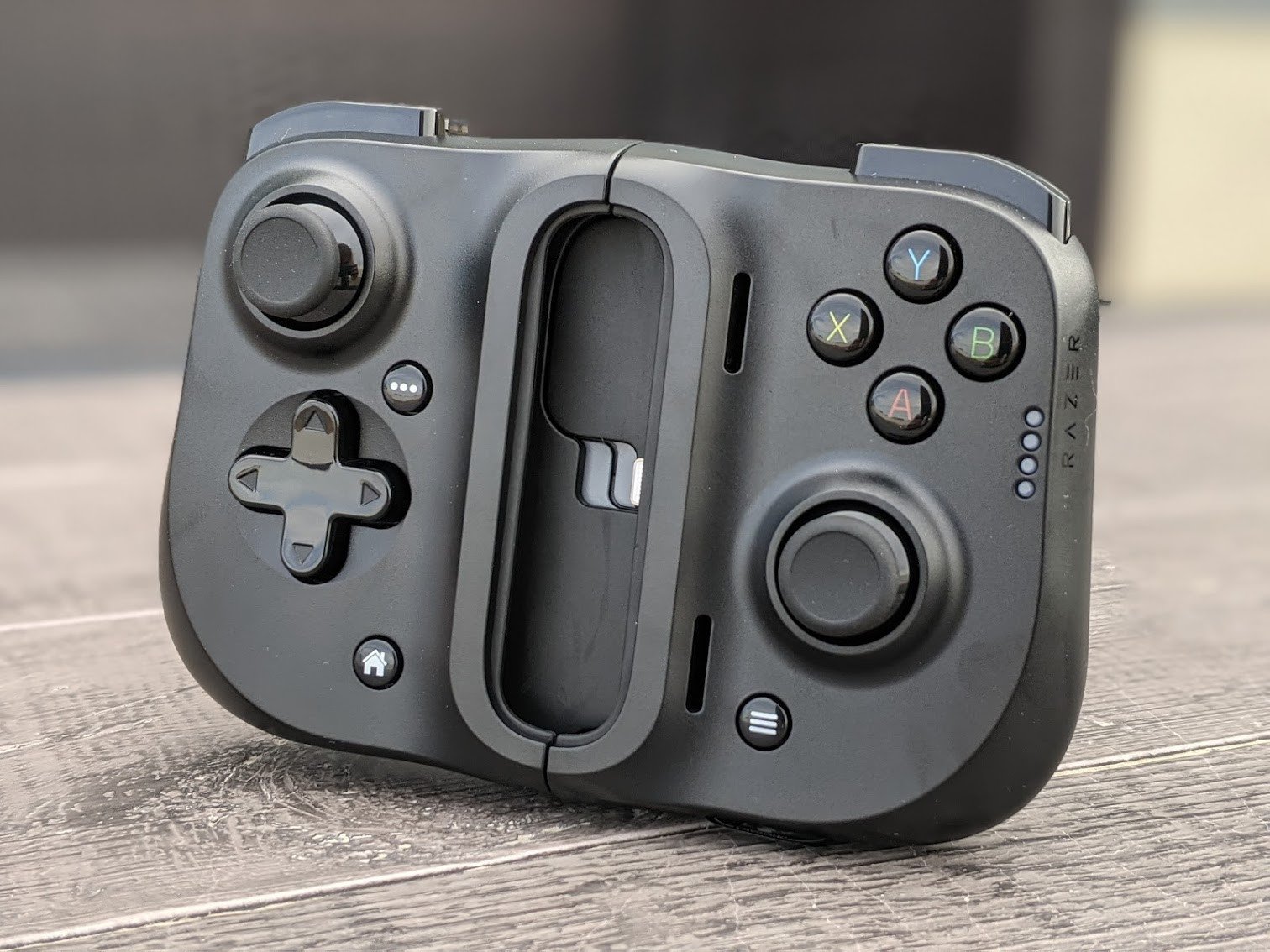
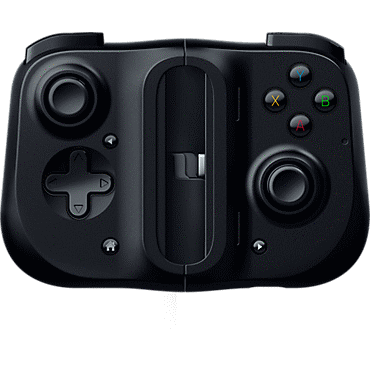
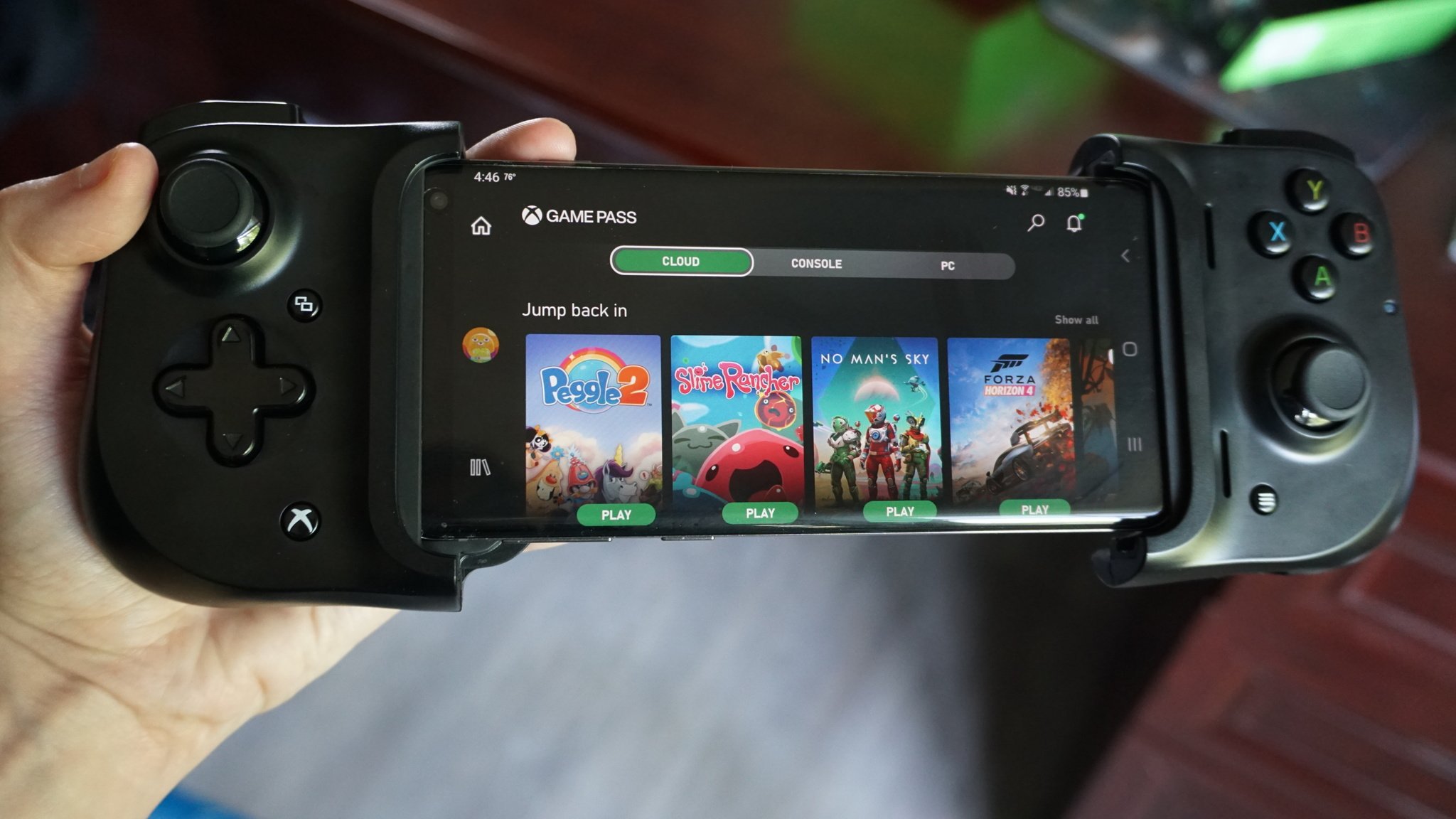
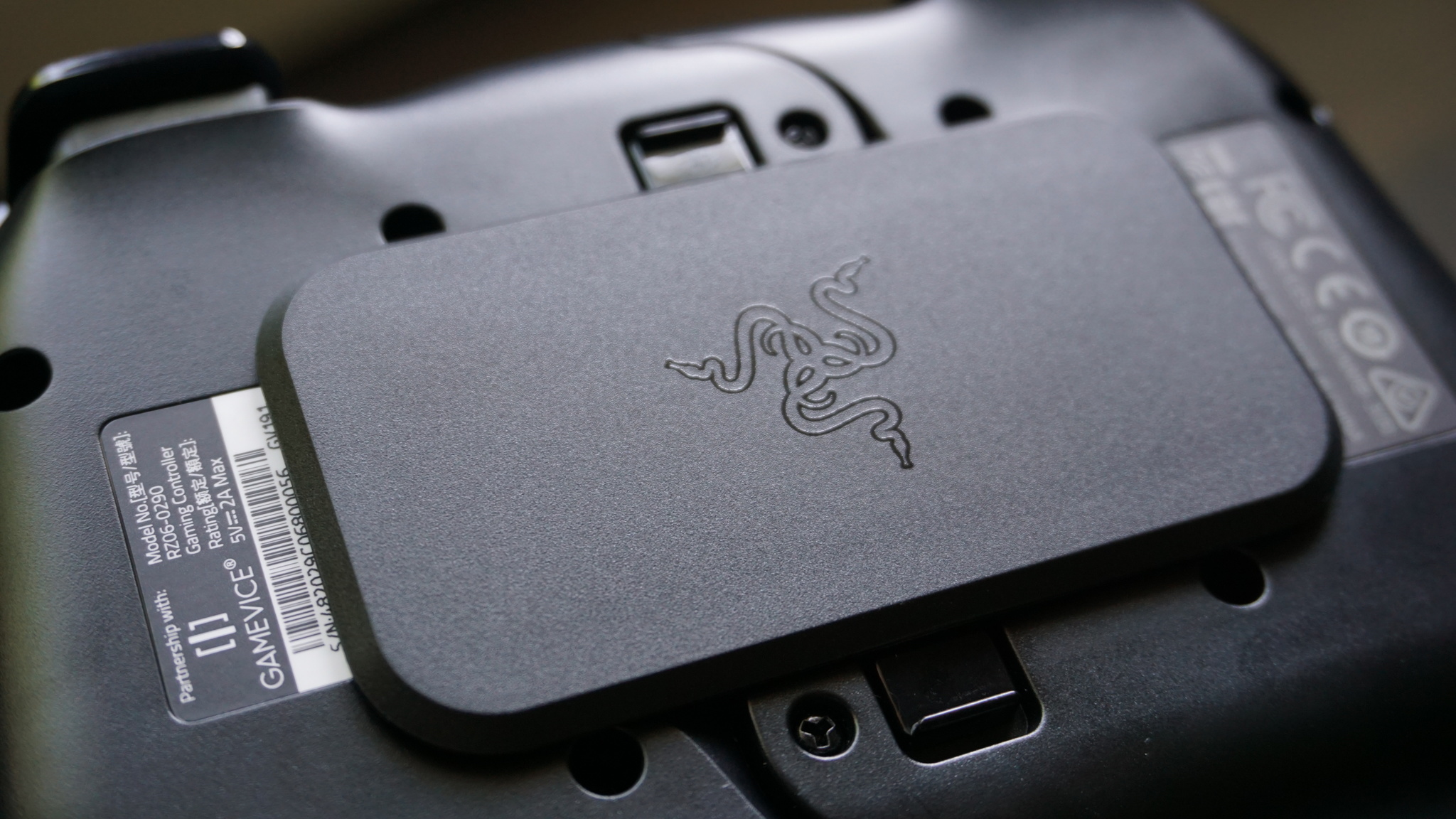
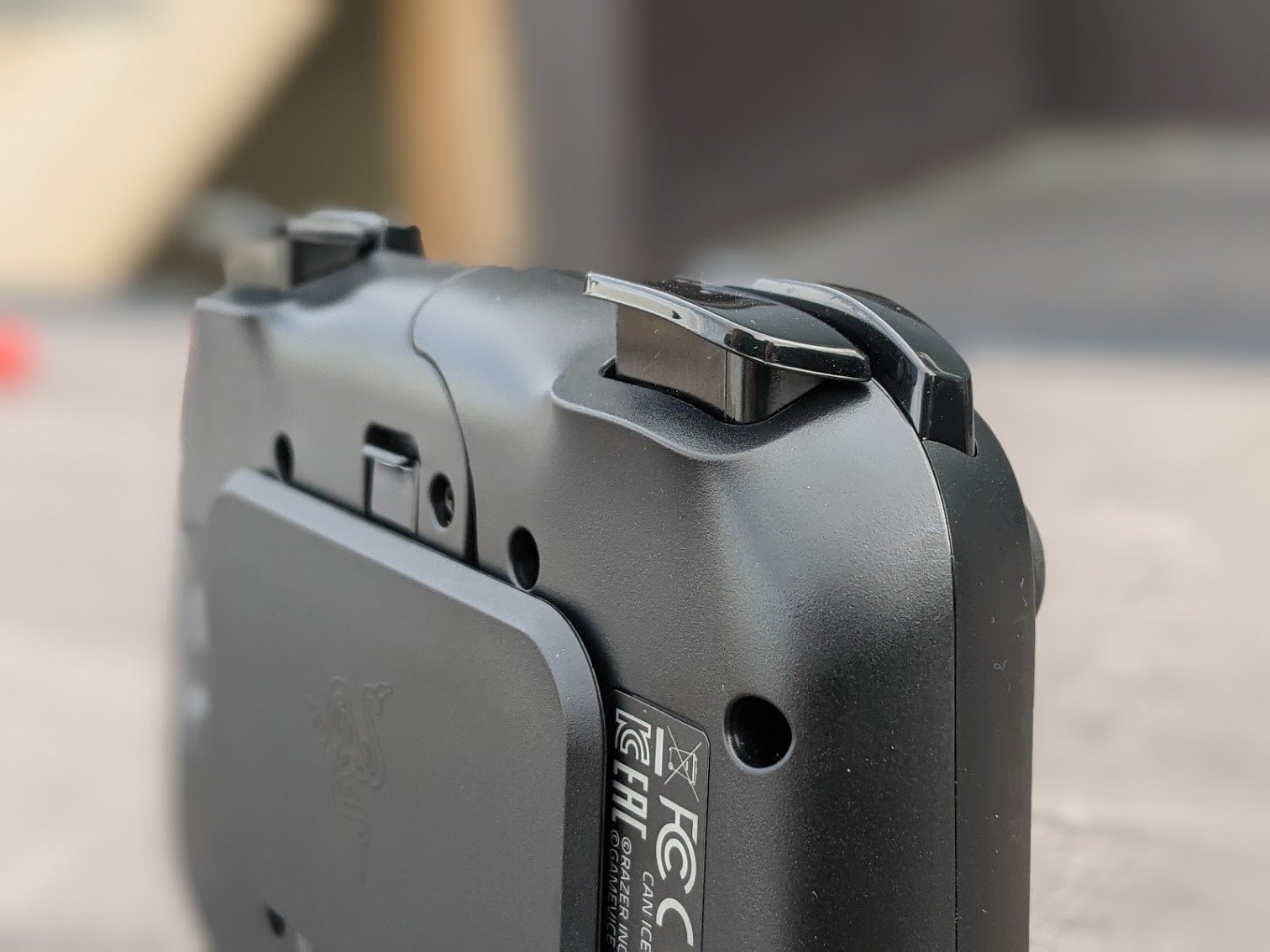
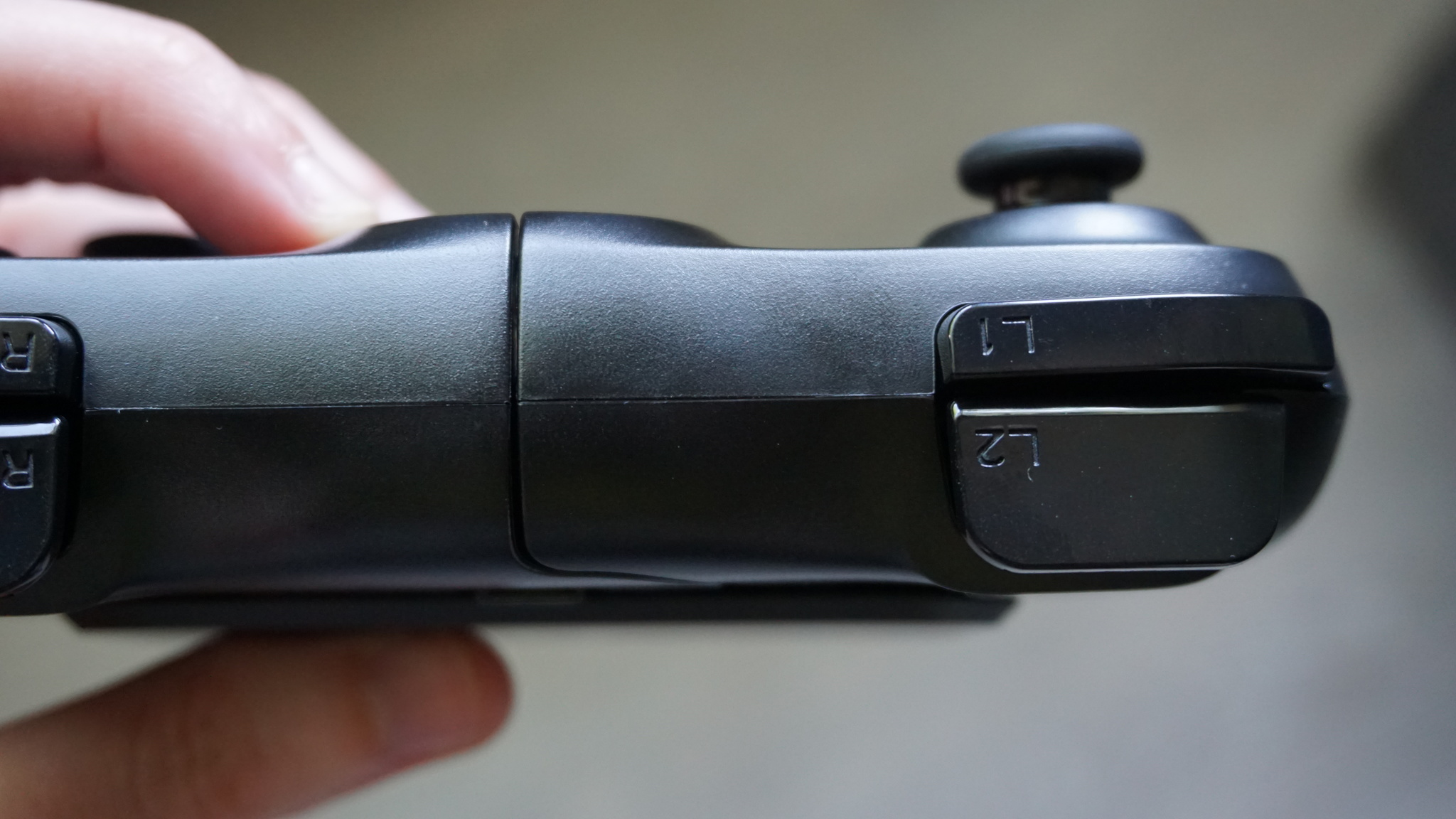
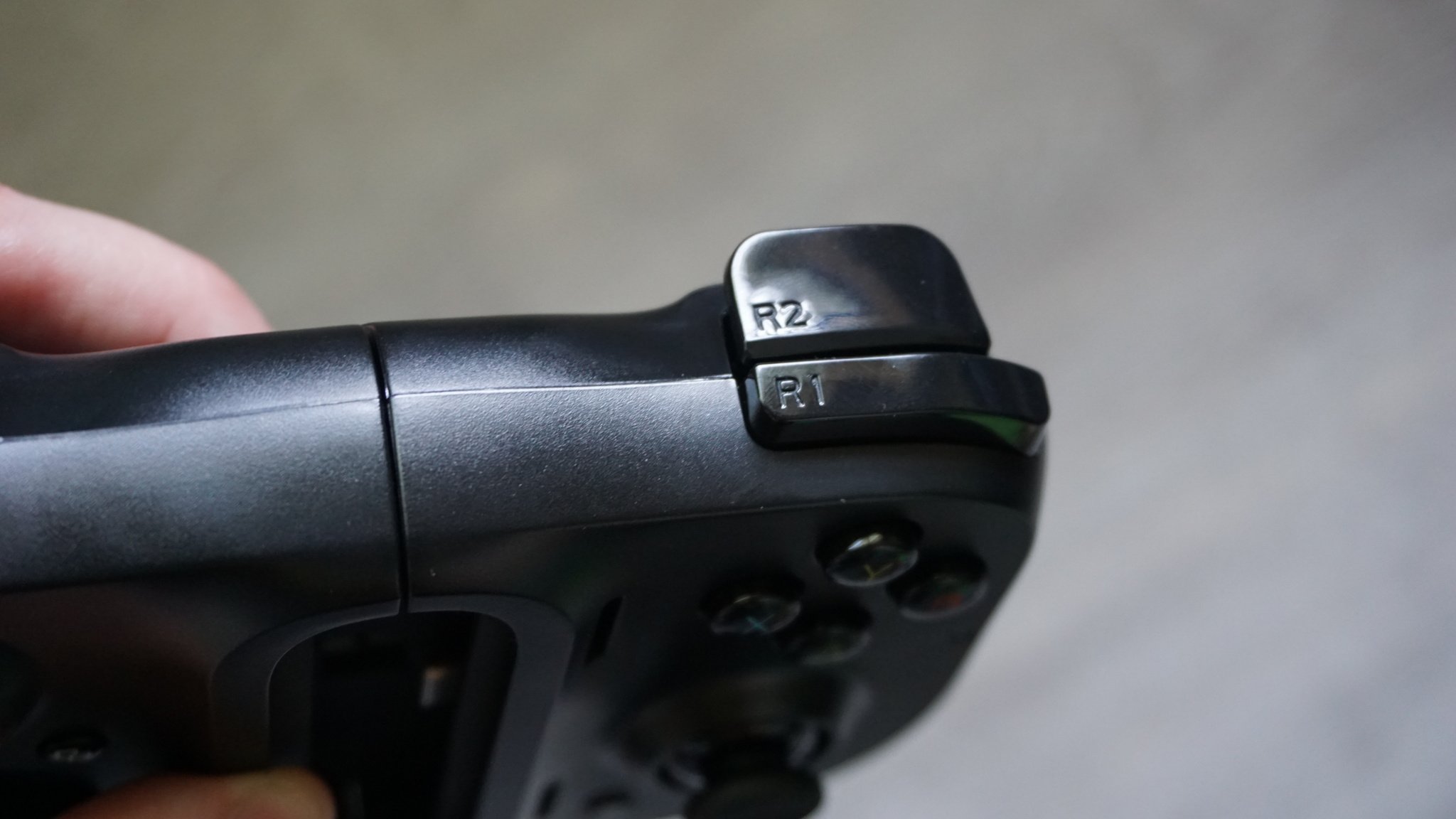
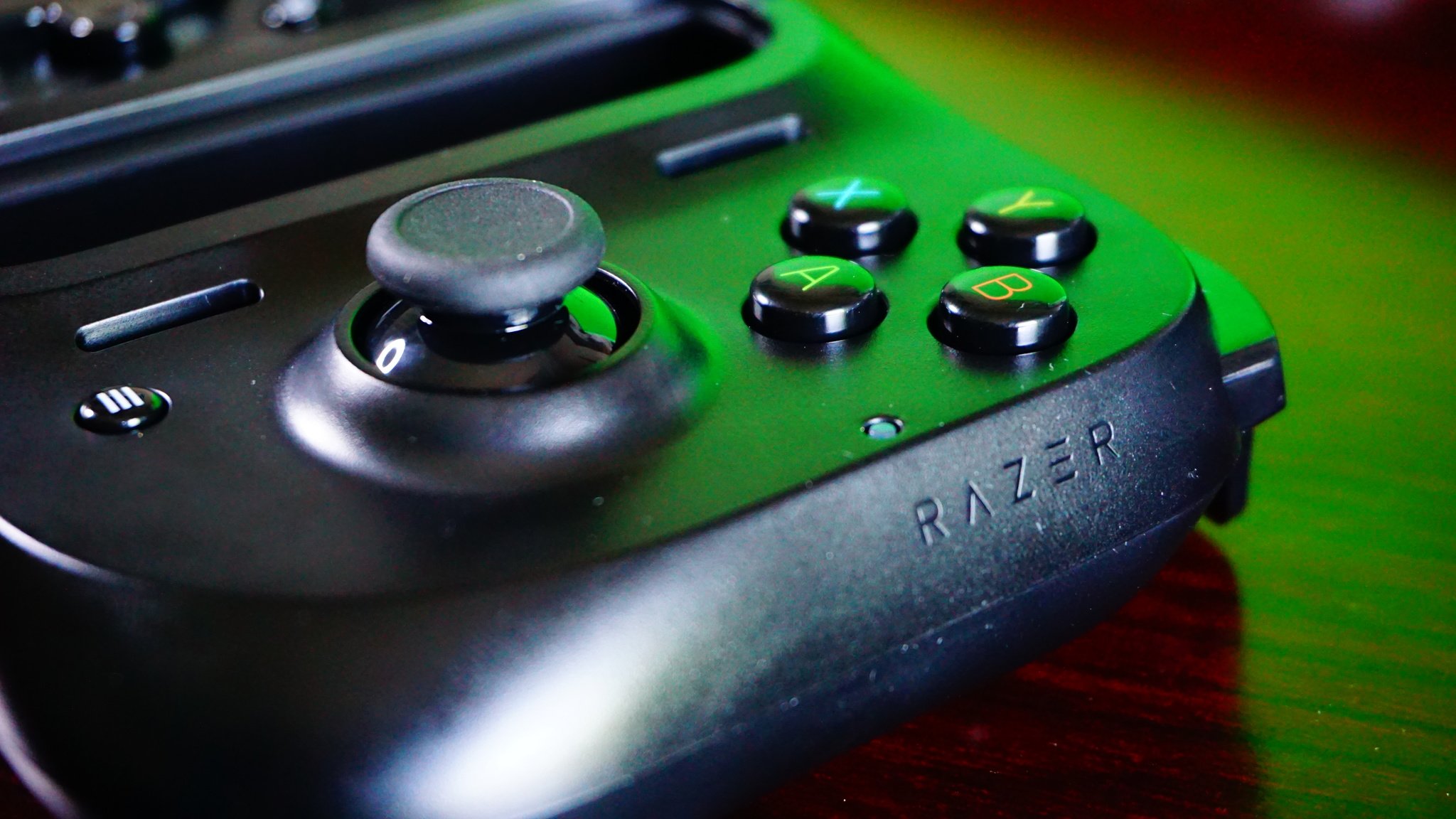
Razer's build quality is usually second to none, and that's on display here with the Kishi. It doesn't look like a cheap knockoff accessory. The design mixes the Nintendo Switch and an Xbox controller, which really works in its favor. My only complaint here is that I would have loved to see some textured grips on the sides because smooth plastic isn't the best for sweaty hands when you've been holding for too long. That said, it still felt extremely comfortable to use.
The build quality of the Kishi is second to none.
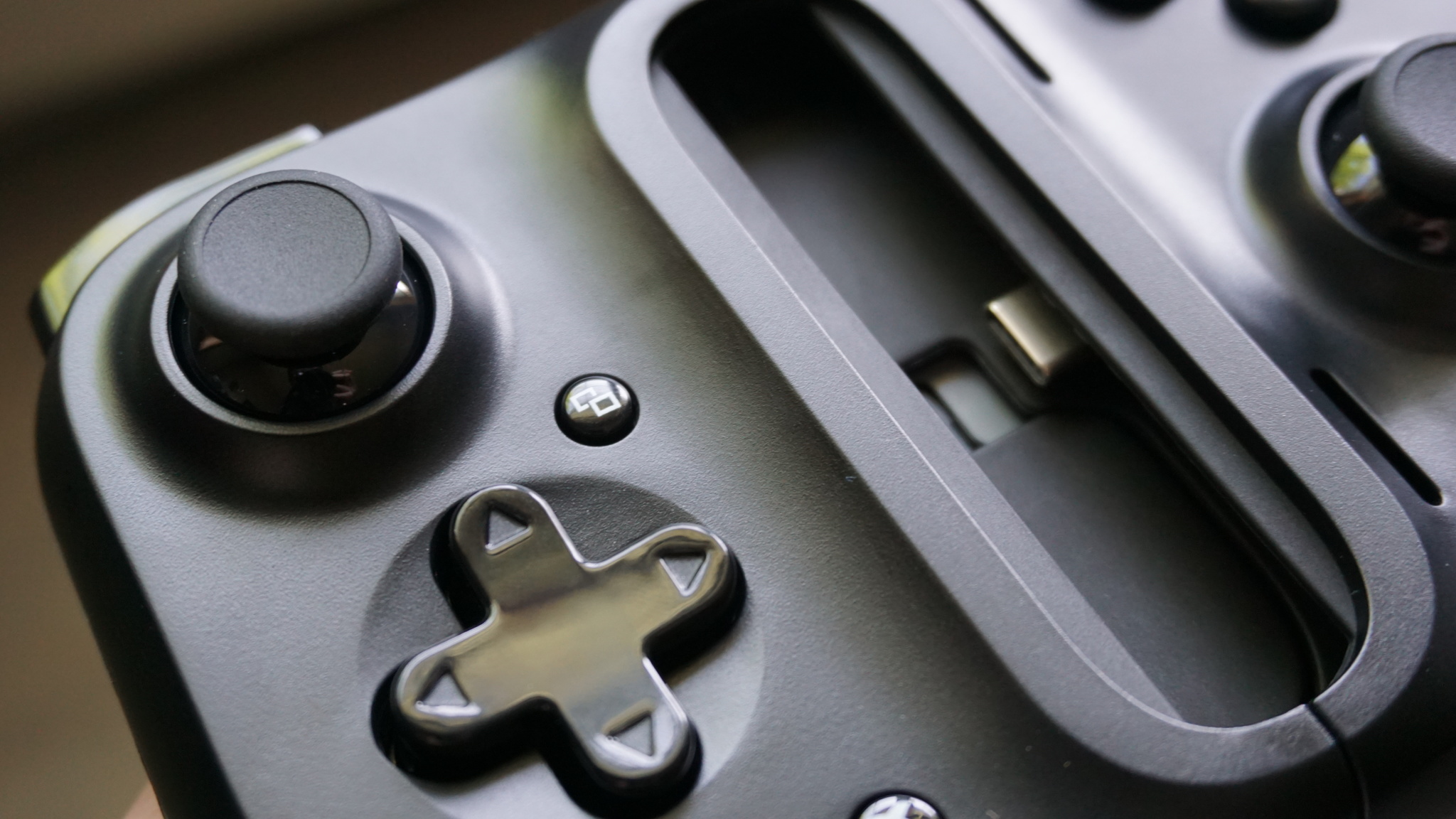
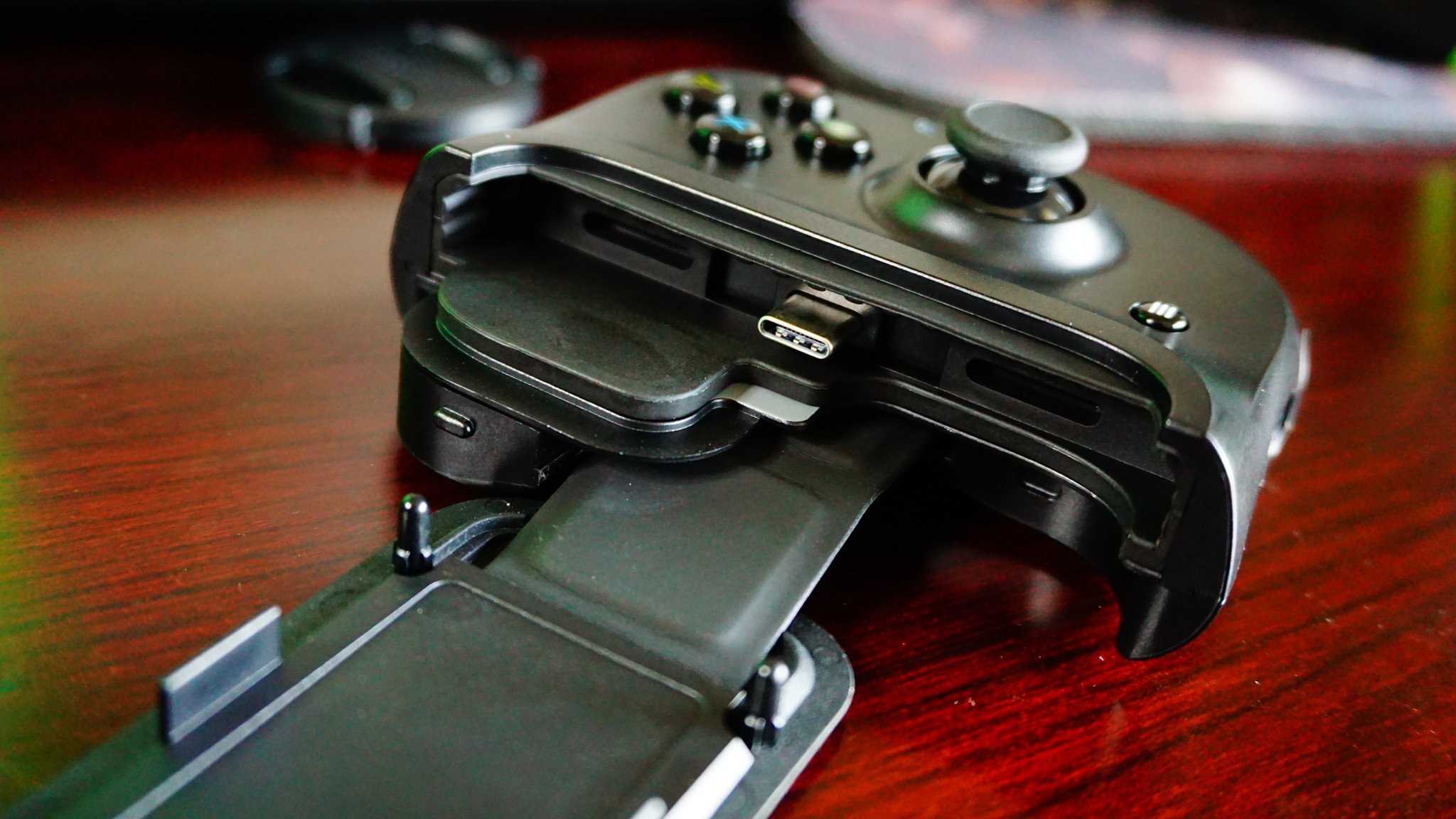
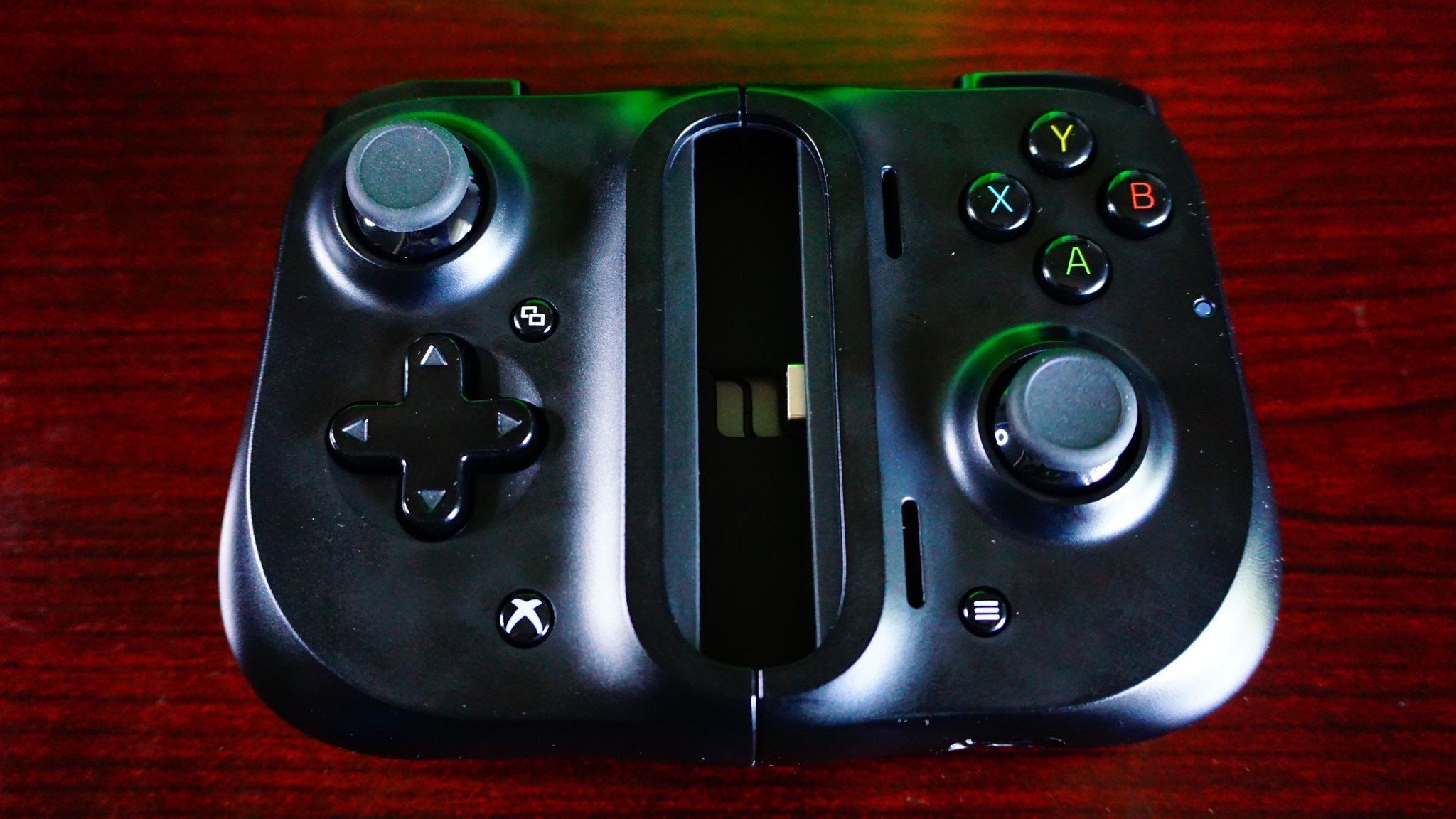
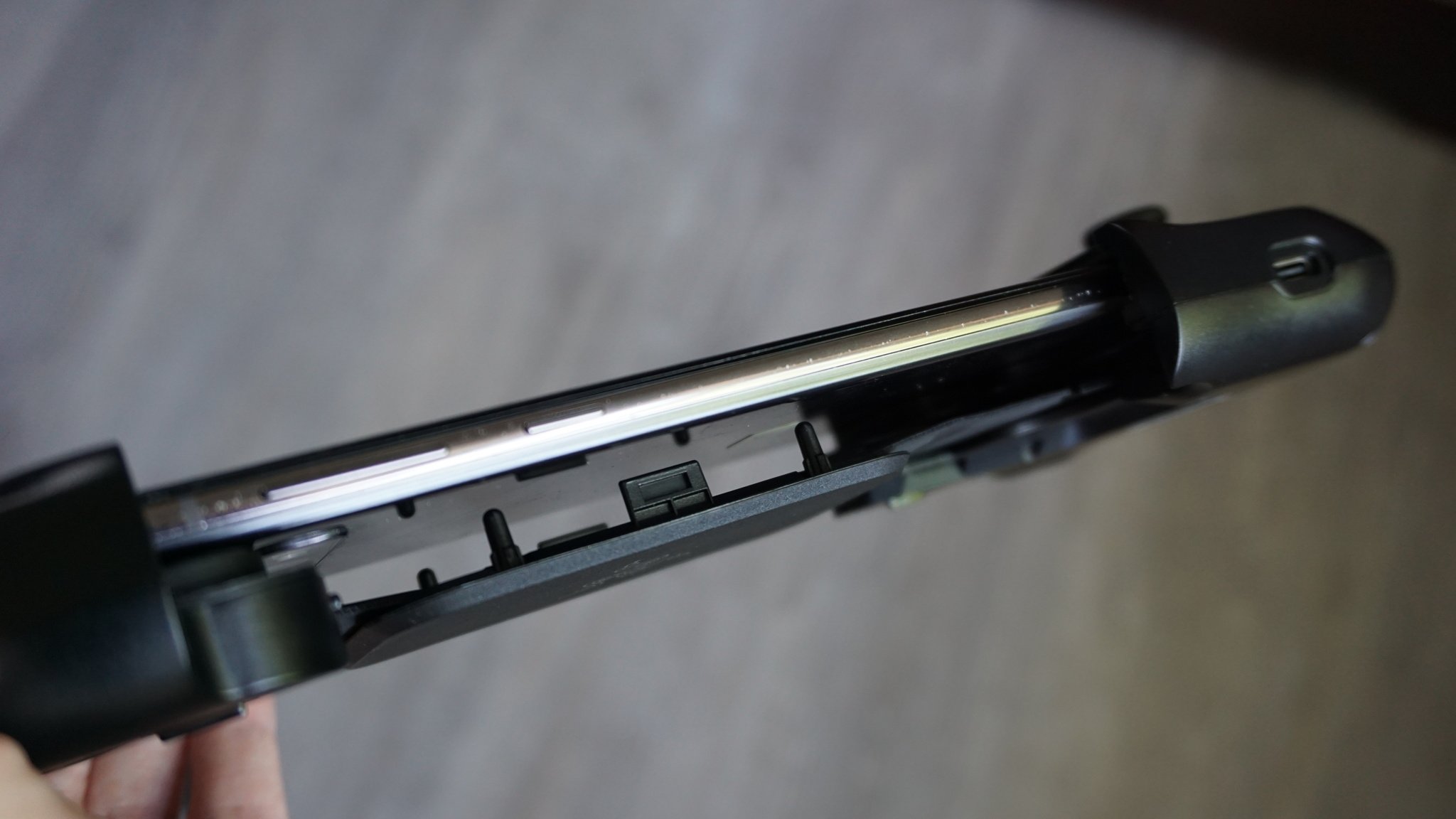
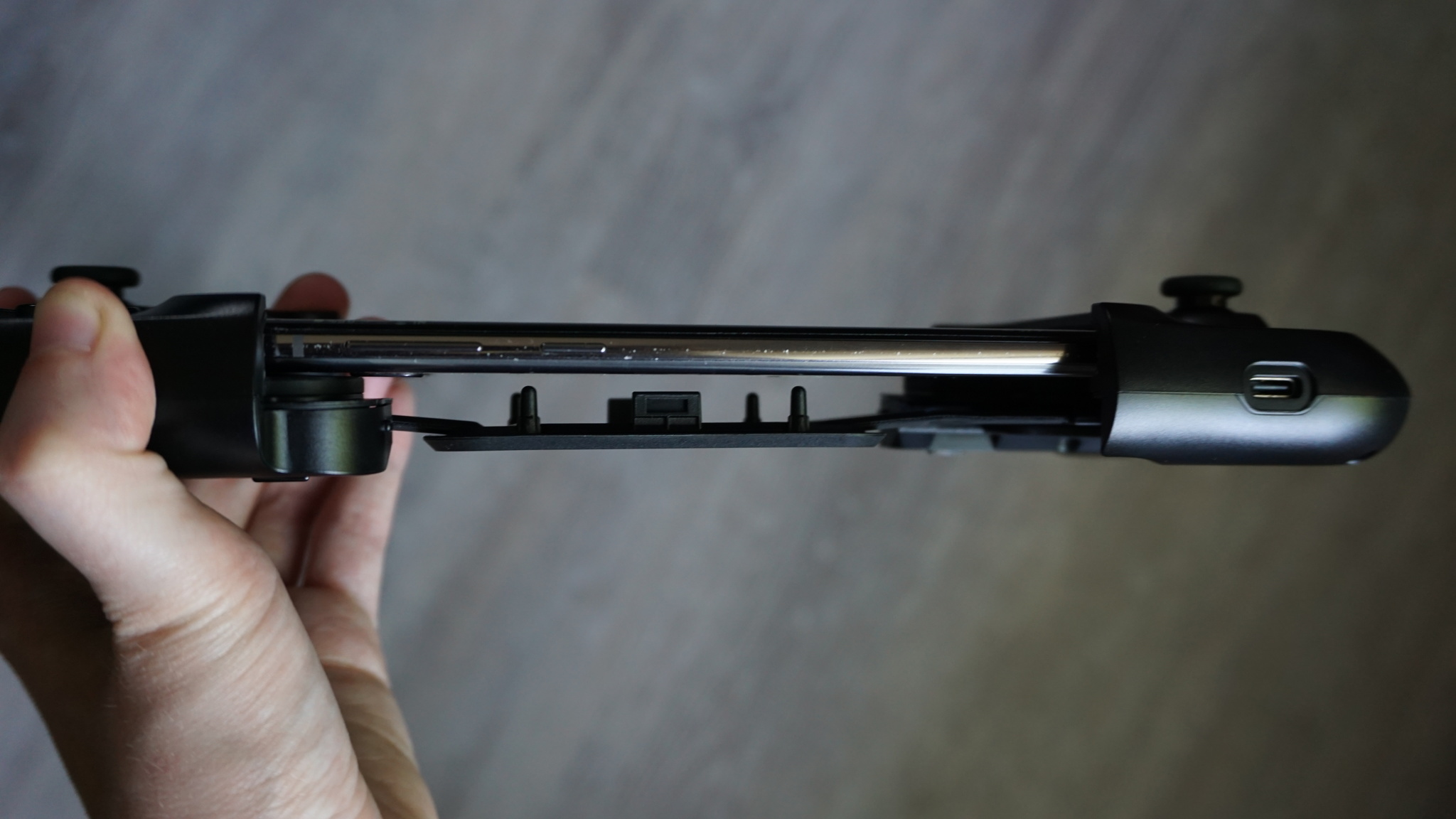
Because it connects through USB-C, you don't need to worry about any input lag. It's slightly different when you're streaming games through Xbox Game Pass because the cloud can be hit or miss depending on your connection, but all other games you download should be perfectly fine. The USB-C connection is a bit of a double-edged sword, though, because this also means that the Kishi is powered by your phone and can drain its battery. I didn't have an issue with this on my Galaxy S10, but it's worth keeping in mind. There's also a pass-through connection so that you can charge your phone while using it.
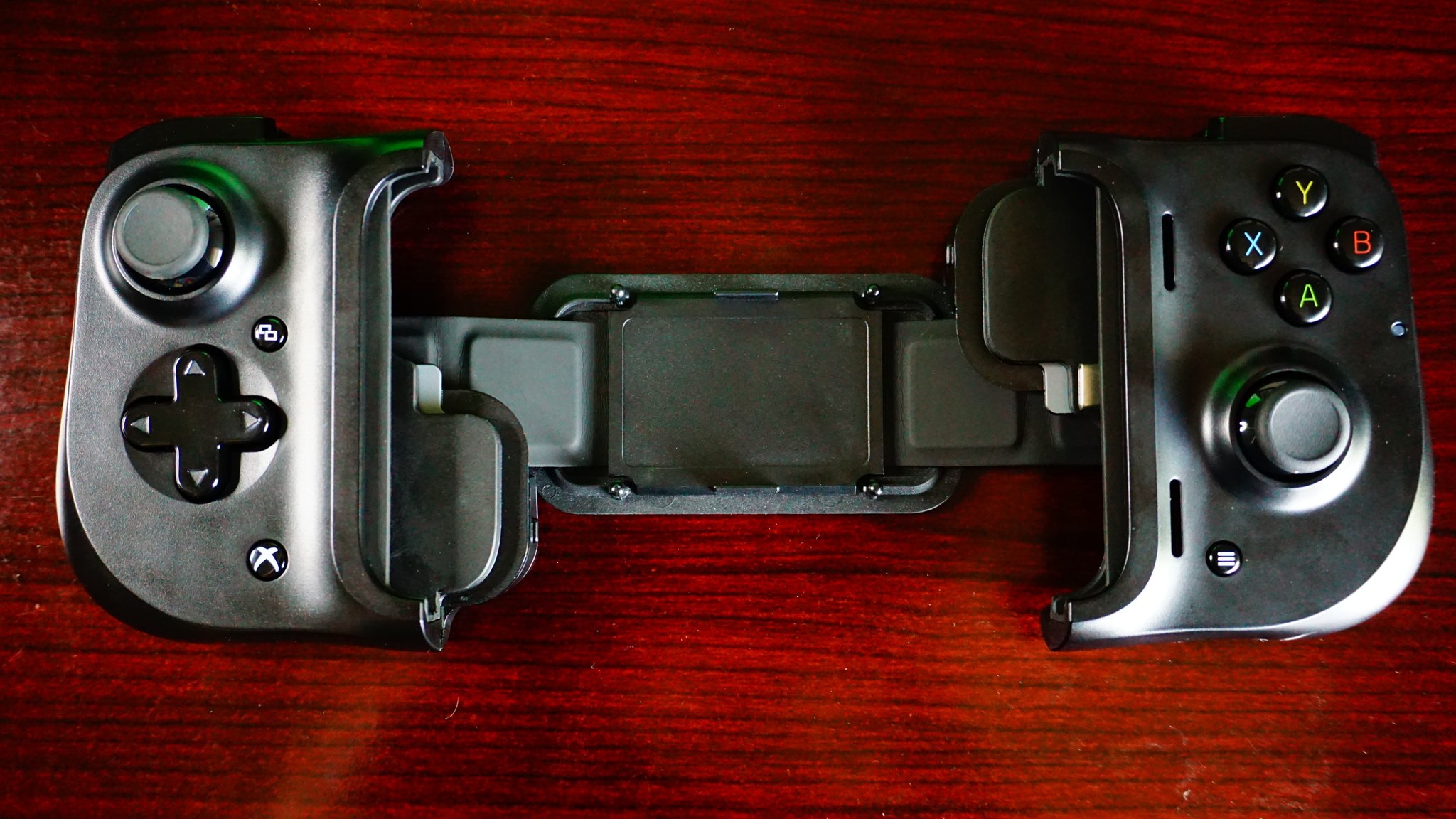
While I had some complaints with the Gamesir X2 that it wasn't ideal for shooters, I feel that less so with the Razer Kishi. The face buttons on the Kishi are ever so slightly positioned to the right and above the right thumbstick, instead of directly above. It's a small change that makes a world of difference. After decades of use, my mind and hands have been trained to rest in a certain position on a controller, and if those buttons are off by even a millimeter, I can feel it. Because of this, the Kishi feels more natural to use.
Instead of a spring-loaded mechanism, which can snap back pretty forcefully after you take out your phone, the Razer Kishi uses a stretchable support band and a retaining plate to help hold your phone in place. This makes it easier to take your phone out after a session, and it easily snaps into place when you want to close the controller for transportation.
Razer Kishi: What could use some work
Because of the way it's designed, the Razer Kishi won't fit all phones. You can actually purchase three different models — One for iPhone, one for Android, and another for Android that's Xbox-branded. While the Android model will fit most newer Android phones, it might not be the best for them, especially depending on their size. It might be a tough sell for $80 or $100 if you are worried your phone won't fit properly.
Like other mobile controllers with similar designs, it also doesn't support vibrations or haptic feedback of any kind. It's a minor complaint on my end, but it still might be a reason that you decide to purchase a phone clip and use an Xbox or DualSense controller instead (provided the games you're playing also support haptics.
Razer Kishi: Competition
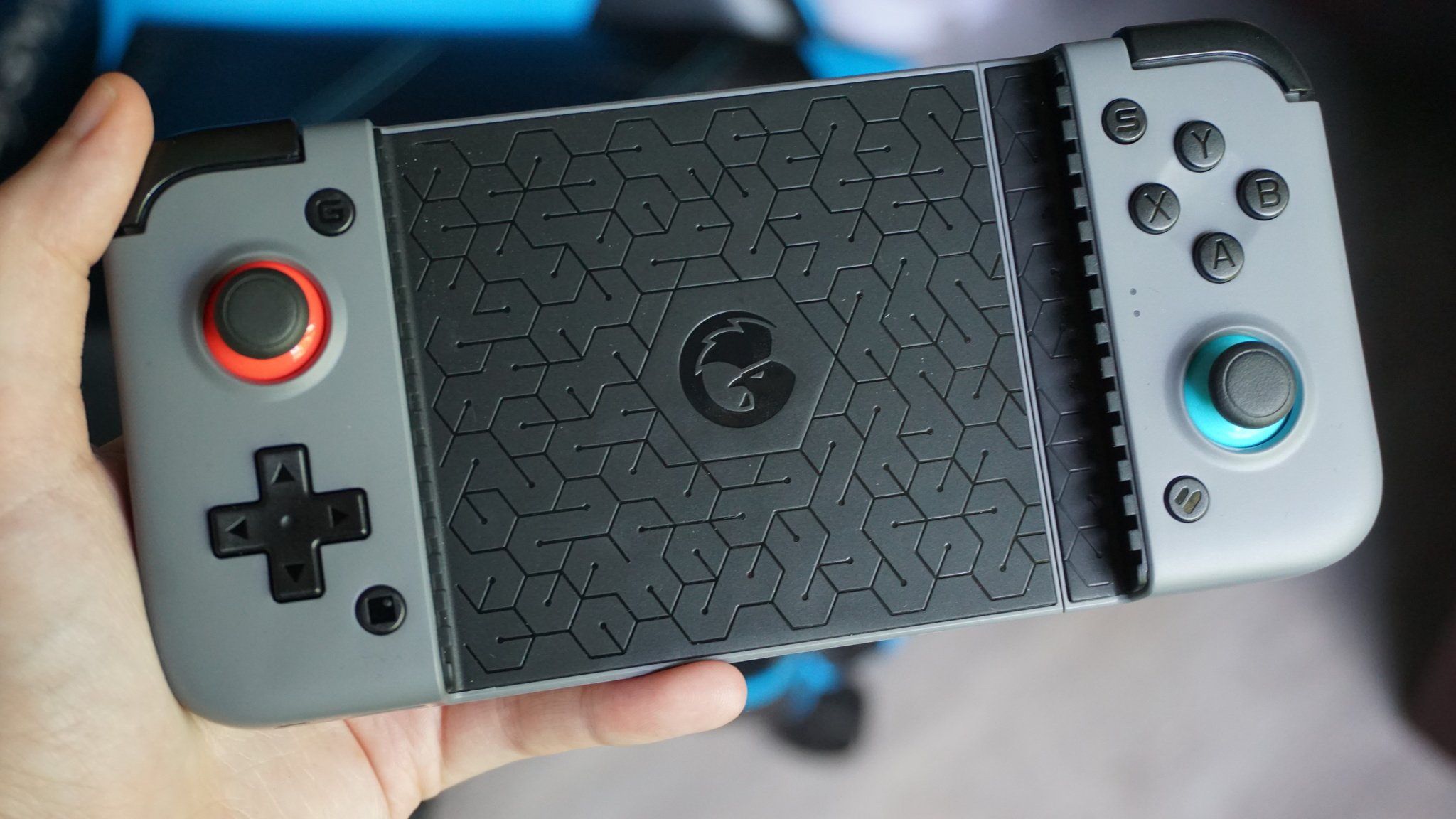
I highly recommend checking out the Gamesir X2 Bluetooth controller for anyone wanting to spend a little less. Because of its spring-loaded design and the fact that it connects wirelessly, it really does fit almost every phone, no matter how big or small. The Bluetooth connection worked well every time I used it, and it would instantly connect to my phone after its first pairing. I'd only steer clear if you'd rather have a hard connection through USB-C.
There's also the Razer Raiju mobile gaming controller, which is quite literally a normal controller with a built-in phone holder. It's more expensive at around $150, but it's also your best option if you don't like the Nintendo Switch-like designs of the X2 or Kishi. Anyone comfortable holding an Xbox controller will be comfortable with the Raiju mobile.
Razer Kishi: Should you buy it?
You should buy this if ...
You have a new Android phone
You play a lot of Xbox Game Pass cloud streaming
You prefer a USB-C connection with no latency
You want an Xbox-branded mobile controller
You shouldn't buy this if...
You want to spend under $100
You have a smaller phone that may not fit well
If you have a newer phone that uses USB-C, especially a larger phone, this is a mobile controller that you should highly consider purchasing. It's easily one of the best game accessories for phones, providing a reliable connection and an ergonomic build that's comfortable to use for hours. You should be wary of whether you have a smaller phone that may not fit perfectly. Also, keep in mind that you can buy other mobile controllers for less.
4.5out of 5
Even though it's more expensive than other mobile controllers on the market, I recommend picking it up if you have the money. It's an excellent accessory that feels really good to use, and that's the most important thing when it comes to something like this. Combine that with Razer's penchant for quality, and it's near-perfect.
Razer Kishi
Bottom line: As usual, Razer is at the top of its game with the Razer Kishi. Mobile gaming will only get bigger, and you'll need a reliable controller to get you through those countless hours of playing on your phone. That's where the Razer Kishi comes in.
Xiaomi has also announced the world's fastest wireless charging tech.
What you need to know
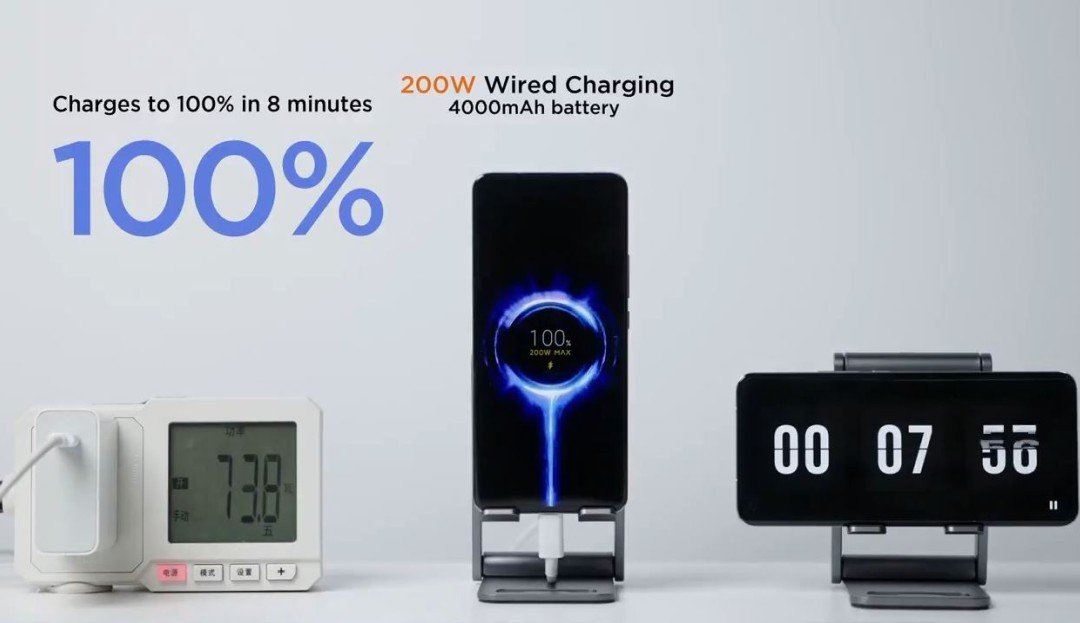
Xiaomi has announced a new 200W "HyperCharge" fast charging solution for smartphones.
The new fast charging tech can fully charge a 4,000mAh battery in under eight minutes.
Along with 200W wired charging, Xiaomi has also introduced a new 120W wireless charging tech.
Xiaomi today showcased a new 200W "HyperCharge" fast charging tech, which it says can fully charge a phone in eight minutes. It used a modified Mi 11 Pro with a 4,000mAh battery to demonstrate the tech. Xiaomi was also the first smartphone maker to introduce a 100W fast charging solution. The company demonstrated the 100W "Super Charge Turbo" tech in March 2019, although the tech was commercialized only in August last year.
As can be seen in the video above, Xiaomi's new HyperCharge tech takes just three minutes to charge the modified Mi 11 Pro from empty to 50%. In addition to 200W HyperCharge wired fast charging system, Xiaomi has introduced a new 120W wireless charging solution as well. Xiaomi claims its latest wireless charging tech can fully charge a phone in just fifteen minutes.
Unsurprisingly, Xiaomi hasn't yet provided a timeframe as to when the first phone with the new 200W HyperCharge tech will hit the market. Currently, the fastest charging Xiaomi phone is last year's Mi 10 Ultra, which supports 120W wired charging speeds.
Seeing how the Mi 11 Ultra is a downgrade over the Mi 10 Ultra in the fast charging department, it may take a while before we see a Xiaomi flagship with 200W charging. It is also worth noting that such high charging speeds could have a significant impact on long-term battery health and also lead to overheating issues.
While Xiaomi hasn't launched a new phone with its 120W fast charging tech this year, its Black Shark brand released two new devices with 120W charging in March to challenge the best gaming phones. Vivo's iQOO sub-brand also launched a Snapdragon 888-powered flagship phone earlier this year with support for 120W fast charging.
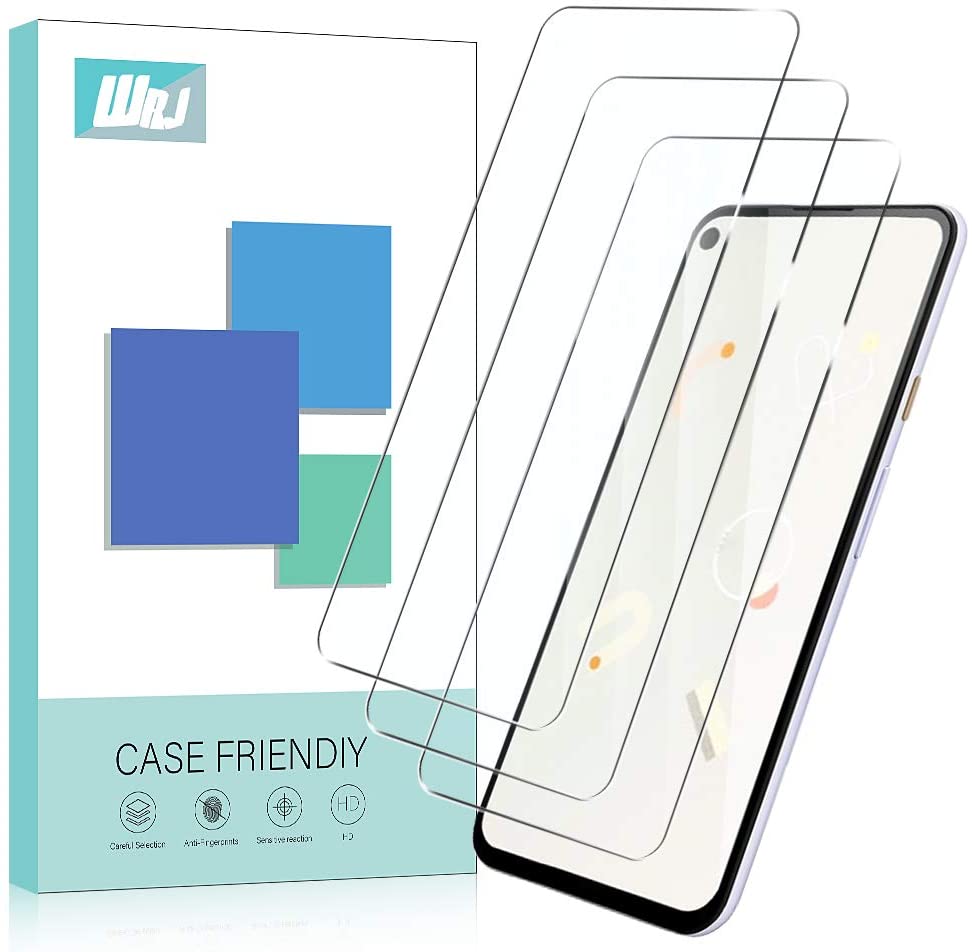
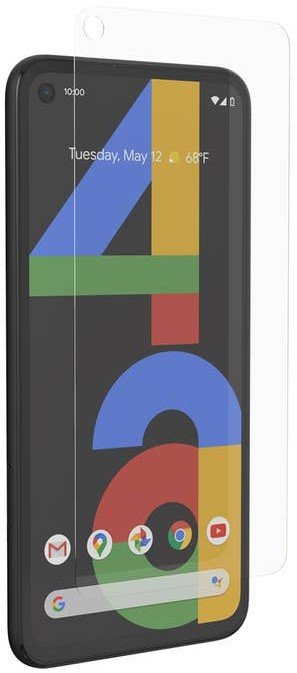
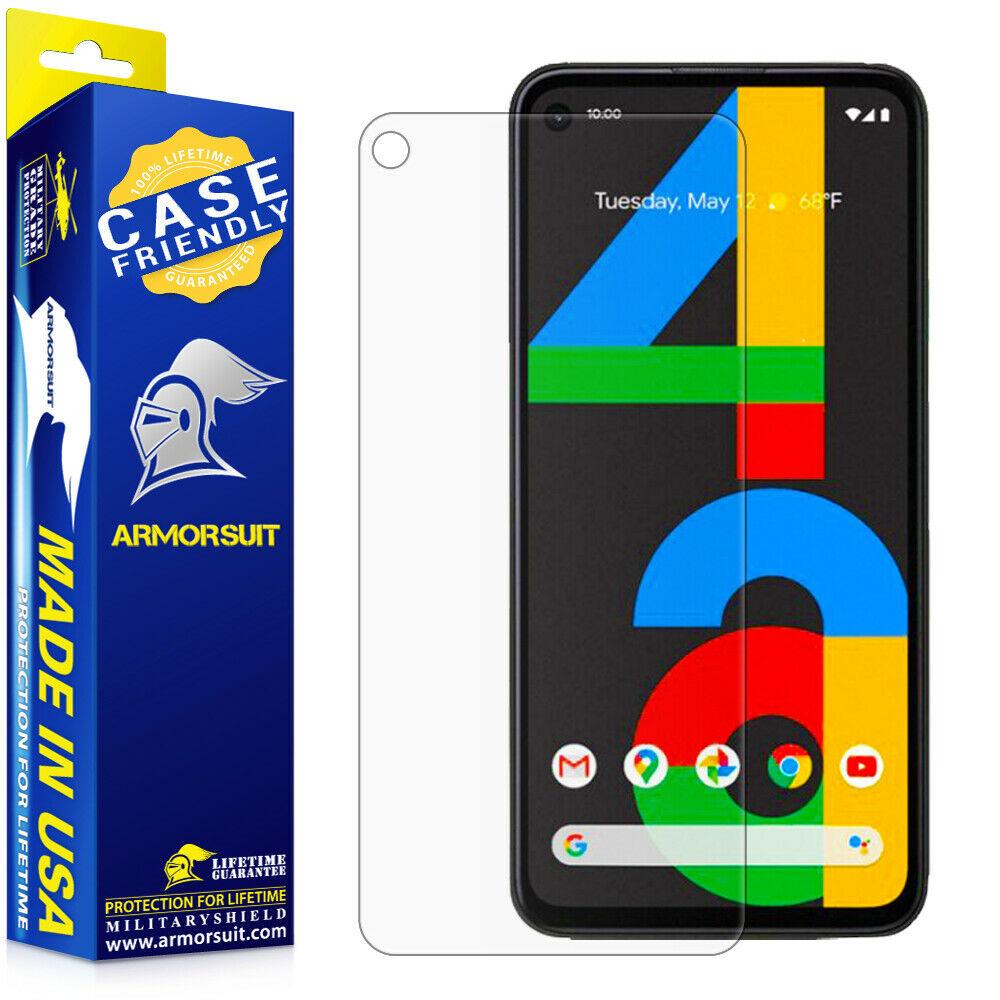
The display on the Pixel 4a is a significant upgrade from its predecessor. The bezels at the top and bottom are so much smaller that we can have a bigger screen in a smaller profile, but this also means that even a tiny crack at the top or bottom could impact the screen's usable portion. We've done the research to round up the best Google Pixel 4a screen protectors you can buy!
Easy to apply
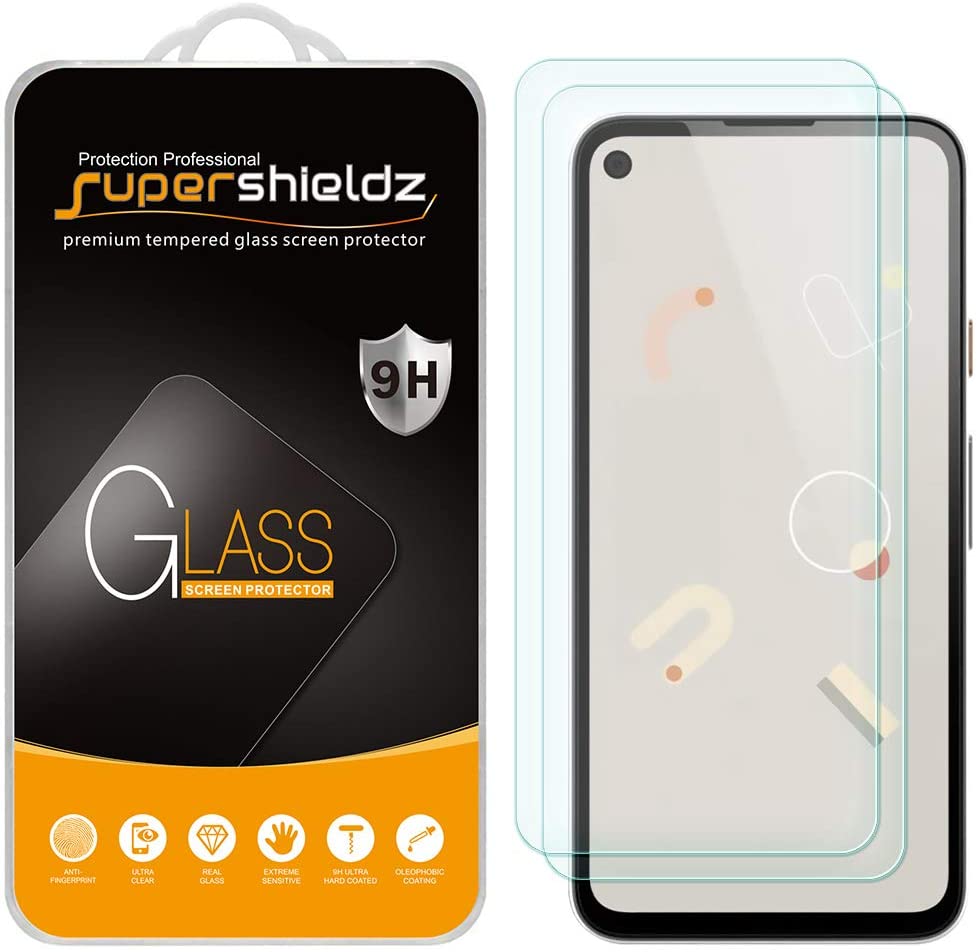
Supershieldz Tempered Glass (2-Pack)
Staff Pick
Supershieldz has my confidence because not only is its book-style application process easy enough for my mother to do by herself, but it has also stood up to rocks, ladders, and drops without damaging the screen underneath.
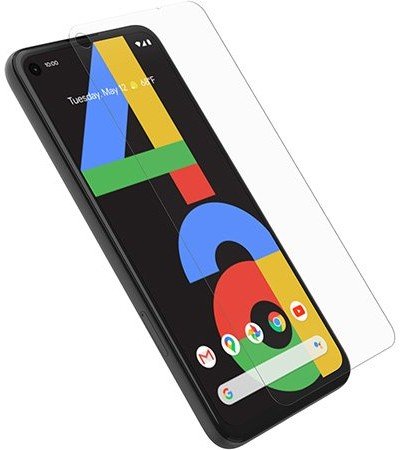
OtterBox knows how to make a durable case. They worked with Corning — makers of Gorilla Glass — to produce a durable, high-quality screen protector in the Amplify, which offers higher scratch resistance and excellent case compatibility.
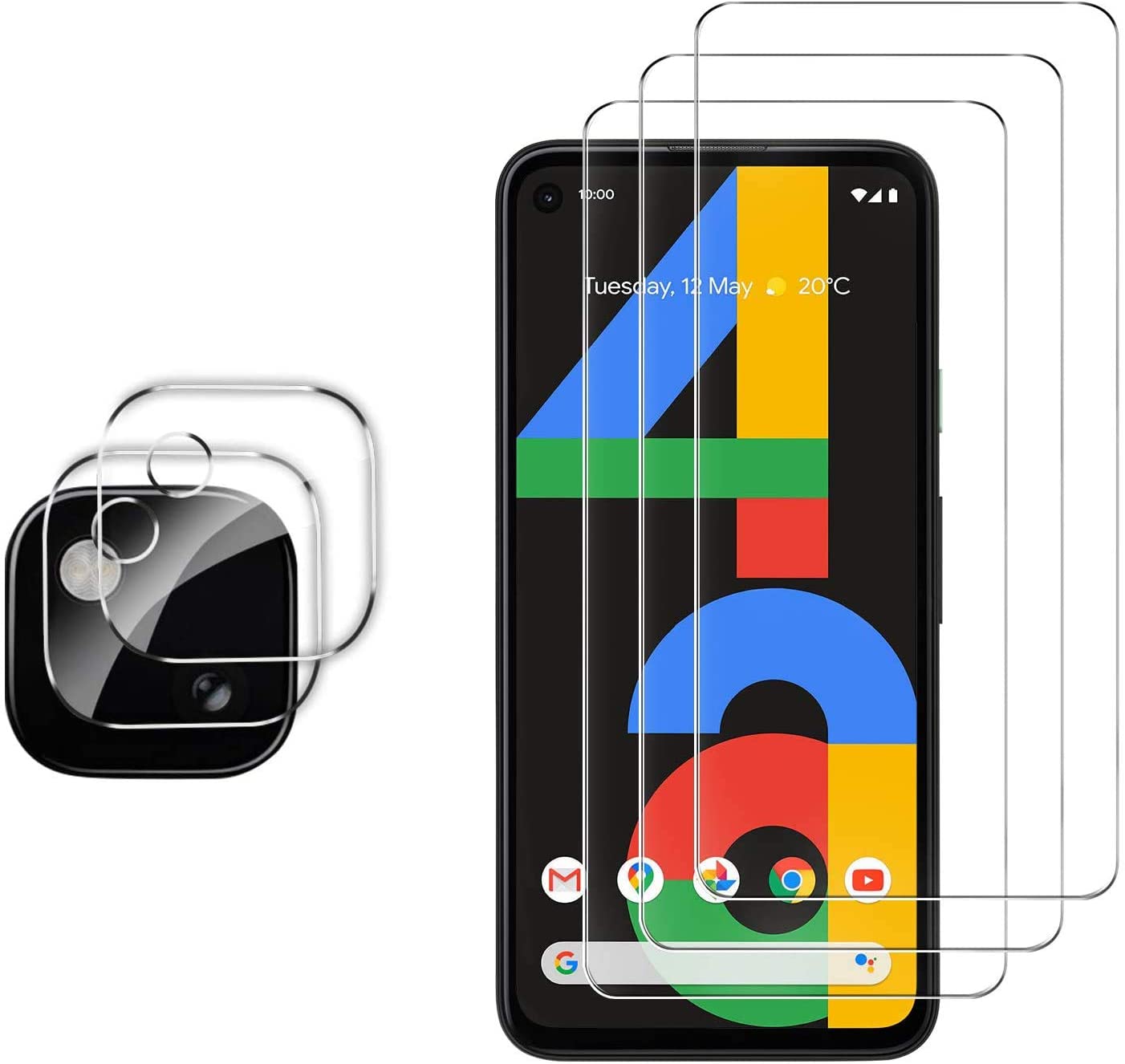
GESMA Tempered Glass Screen Protector and Camera Protector (5-Pack)
This multi-pack is perfect for anyone to tends to drop their phone a lot, as you not only get multiple spares, but you also get tempered glass protectors for the camera module in addition to the front glass. After all, what good is a Pixel with a broken camera?
If you're exceedingly hard on your phone — or if you're just a klutz — you might want to invest in a multi-pack so that you have spares when the first or second protector here cracks, keeping your Pixel 4a safe.
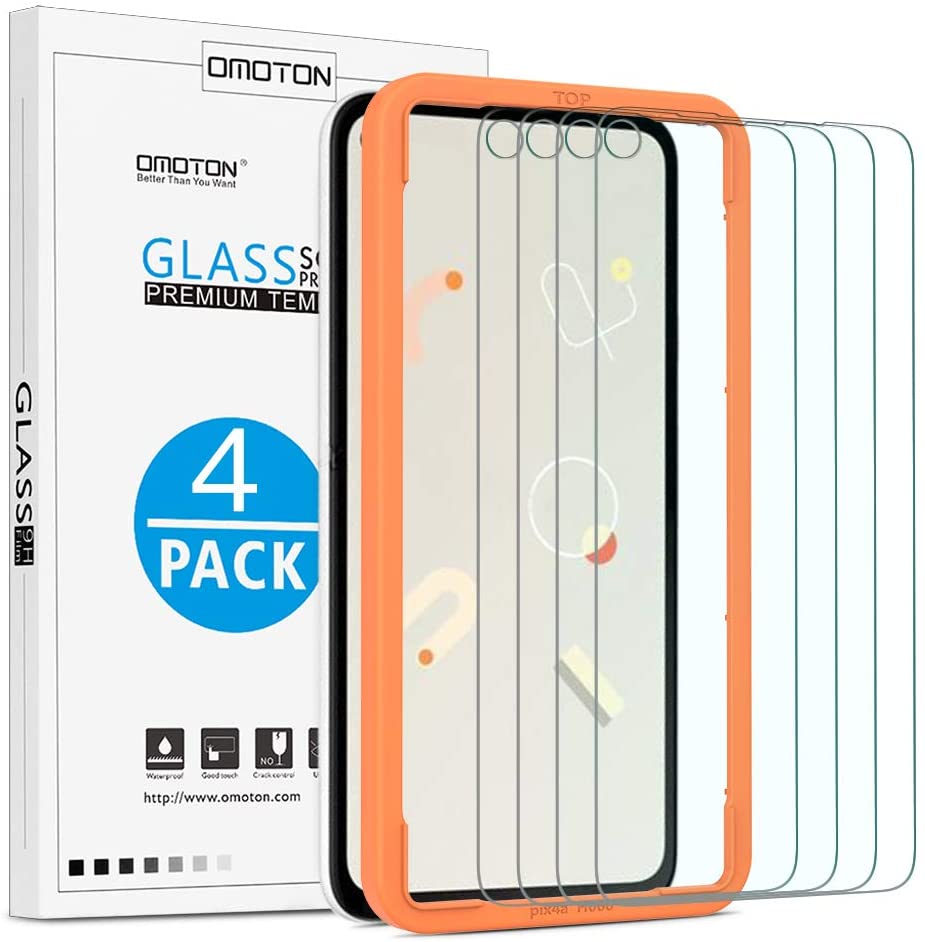
This multi-pack comes with a frame that you slide over your Pixel 4a so that you have less chance of misaligning the glass. That's extra important here, considering the cutout for the hole-punch camera.
InvisibleShield doesn't just bring scratch and shatter protection to your phone. The Glass+ also has an anti-microbial coating. Still, as a reminder, that coating is not strong enough to completely kill COVID or other disease-causing germs on your phone.
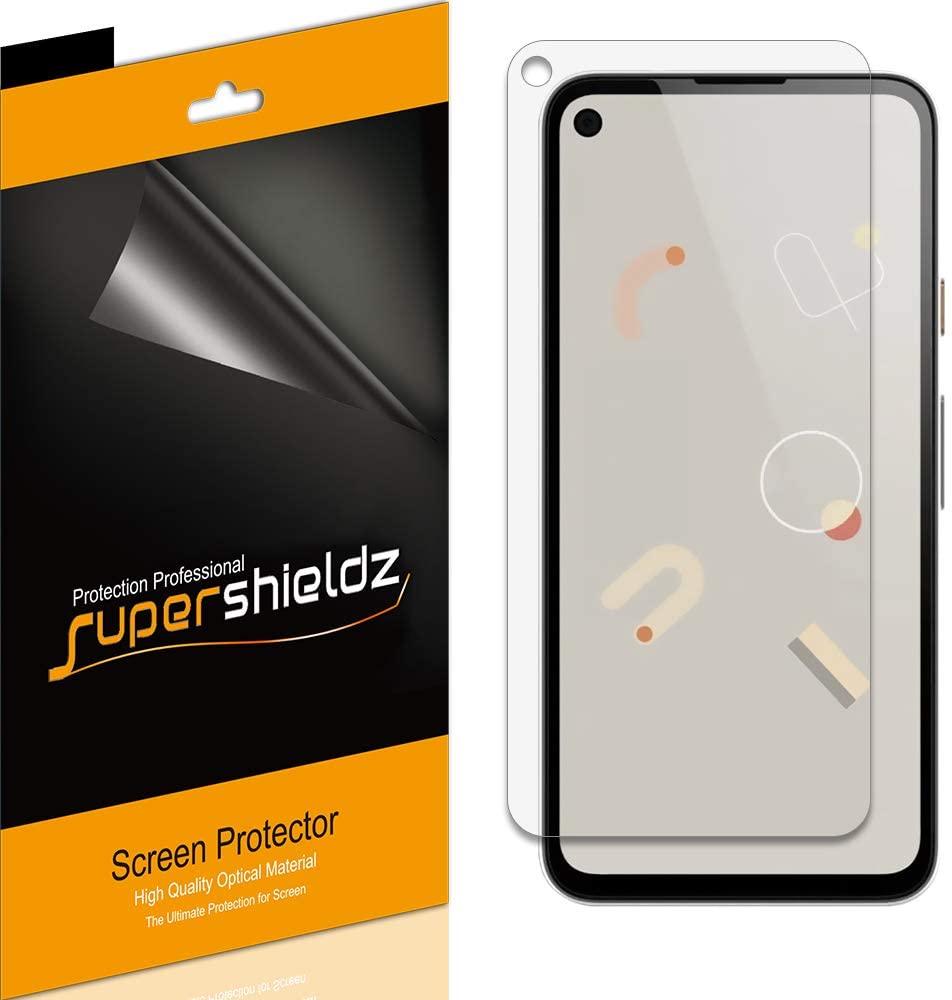
Glass screen protectors offer more robust coverage, but some folks don't like how they can interfere with responsiveness. If you're one of them, these flexible film protectors offer scratch protection without the bulk.
This PET film is thicker than competitors, meaning it can take more abuse and still self-heal. I'm also a fan of the matte finish on this screen protector as it makes it easy to see the screen when dealing with lots of bright reflections.
Screen protectors come in two flavors: we have the thicker, sturdier tempered glass screen protectors, and we have the thinner, flexible, and more adaptable film protectors. For phones with curved screens, film screen protectors offer a more fitting grip. Still, for a phone with a flat-screen like the Pixel 4a, we don't have to worry about such things, so unless you just have a personal grudge against tempered glass, I'd recommend grabbing the Supershieldz Tempered Glass Screen Protector 2-pack. The style Supershieldz uses for applying its glass screen protectors is easy to follow, and its films have stood the test of time.
I'm also a fan of the OtterBox Amplify Glass because OtterBox knows how to make a great screen protector that won't get peeled up by bulkier, heavy-duty cases. The frame installation is easy to follow along with and the smudge-resistance on the Amplify Glass lasts longer than most competitors.
Of course, protecting the front glass is important, but the rest of your phone needs guarding, too! If you're still using a naked Pixel 4a, we've rounded up the best Google Pixel 4a cases so you can cover your shame!
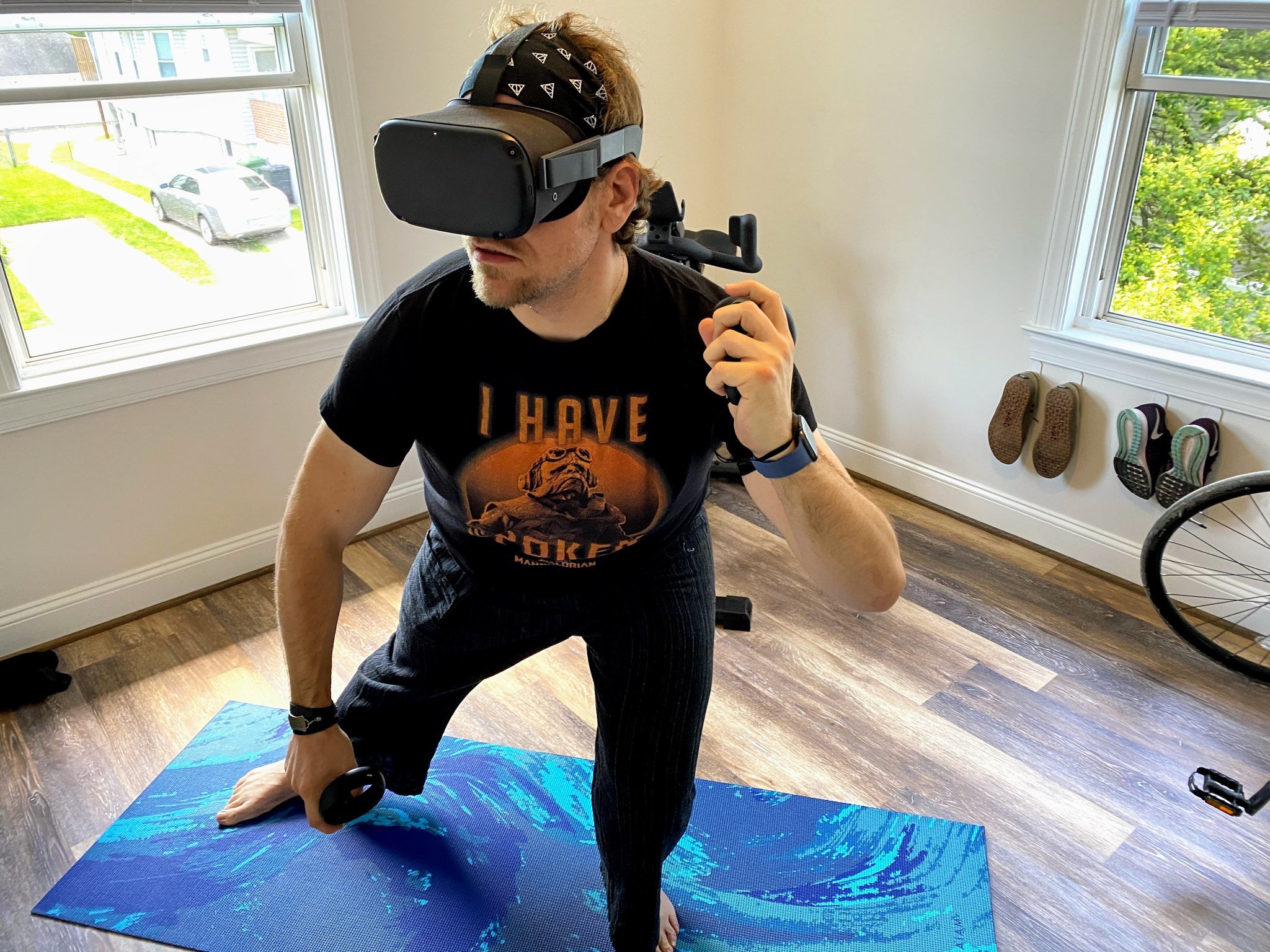
The first time I worked out in VR, it happened by accident. I emerged from my first session of Beat Saber, wide-blinking and dripping with sweat, having just unboxed an Oculus Quest 2 an hour earlier, my only previous VR experience a few years earlier with the now-forgotten Google Daydream.
As editor of this website, I read a lot about VR — we cover the best Oculus Quest 2 games and accessories extensively — but I didn't expect to fall as hard, and as quickly, for it as I did. Perhaps it's the sheer novelty of tricking your brain into thinking you're not in the same house, the same room, you've been living and working in for the past 18 months. Perhaps it's the propulsive nature of the input itself — games don't merely respond to the trigger movements in my thumbs and fingers but my whole hand, my arms, my head. It's the fulsomeness of the experience that enamored me.
Unlike most workout notifications, I don't resent the ones I get about Supernatural. Yet.
So, after that first play Beat Saber play session, and the knowledge that I've been working out less than I'd like to over the past few months, I sought out Supernatural, the $20/month fitness app that takes aspects of Beat Saber and adds recognizable music (sans DLC), an emphasis on full-body movement with squats and lunges in a 360-degree space, and trainers that keep you motivated throughout each 25-or-so-minute session.
Despite understanding the criticisms leveled at Supernatural — that it's far too expensive, that it lacks gamification or multiplayer support, and that it doesn't really add anything to the existing rhythm game canon — I've quickly fallen for everything the service does right. Placing you in beautiful remote landscapes (though admittedly low-resolution) to hit targets barrelling towards you at varying speeds and angles to a playlist of popular songs, the disembodied voice of a trainer you see for a couple of minutes at the beginning and end of the workout motivating you as you go, I've begun looking forward to each session, even when my phone bugs me every morning to "meet [my] trainer in 15 minutes."
I'm less interested in evaluating Supernatural as a workout alone, for which I may lose interest over time as I would any other, and more about the intoxicating way VR helps me forget that I'm doing something I don't find particularly enjoyable in other forms. I've never been one satisfied with a treadmill or stationary bike, preferring to be out on the tennis or basketball court with friends.
But Supernatural's debut in the early months of the pandemic caused the same minor revolution within the VR world as Peloton did for spin addicts who could no longer attend in-person classes led by their favorite instructors. I remember seeing the accolades for both services stream through in mid-2020 wondering just how effective (and potentially uncomfortable) a VR workout could actually be.
Turns out it can be pretty potent. Supernatural workouts are divided into three tracks: low, medium, and high intensity, with options for each at varying lengths, though most have between two and five songs in their playlists. The bulk of the subscription costs go towards music licensing, since the songs you're bouncing away to are recognizable hits from nearly every popular artist and genre. (Supernatural mirrors each workout playlist on Spotify if you're interested in finding them again.)
One of my recent favorites, called Shower Songs, combined a cover of A Crowded House's famous one-hit-wonder, "Don't Dream It's Over," with Janelle Monae's "Make Me Feel," Robyn's "Call Your Girlfriend," The Weeknd's "Blinding Lights," and Tegan and Sara's "Closer." You pay for the access to the music, sure, but particularly the curation, the way the end result feels like more than the sum of its parts and, primarily, for the extra push towards the end of the final track, when you're particularly exhausted, from the instructor encouraging you to "find your moment" and "will yourself to push through it."
Like other workouts that combine cardio with mindfulness, with a particular emphasis on self-improvement and discovery, Supernatural is easy to criticize for its attempt to build a community around a culture, especially when the mechanics of the actual workout — using your Oculus Touch controllers to swipe at incoming targets to a music beat — can be easily reproduced in any number of other cheaper options on the platform. But after trying most of the competitors on the platform, nothing comes close to making me want to return, day after day, to unceremoniously drip sweat onto a mat in the middle of my office.
I don't know if I'm going to spend the $180 USD for an annual subscription to Supernatural once my free trial ends. I probably will because God knows I've spent more on dumber things over the past year, and even if I use it a couple times a week I'll feel somewhat validated in my decision. But more importantly, I've discovered VR as a truly wonderful vehicle for movement, the kind of unselfconscious, unfettered movement that used to be literally impossible before untethered VR just a couple of years ago. Yes, you need a big enough space to move around safely, but getting to know the Oculus ecosystem over the past few weeks has been, especially as someone coming from the known duality of consoles and phones, simply joyful. I like Facebook's encroachment on Oculus as little as the next person, but there are bounties here if you know where to look.
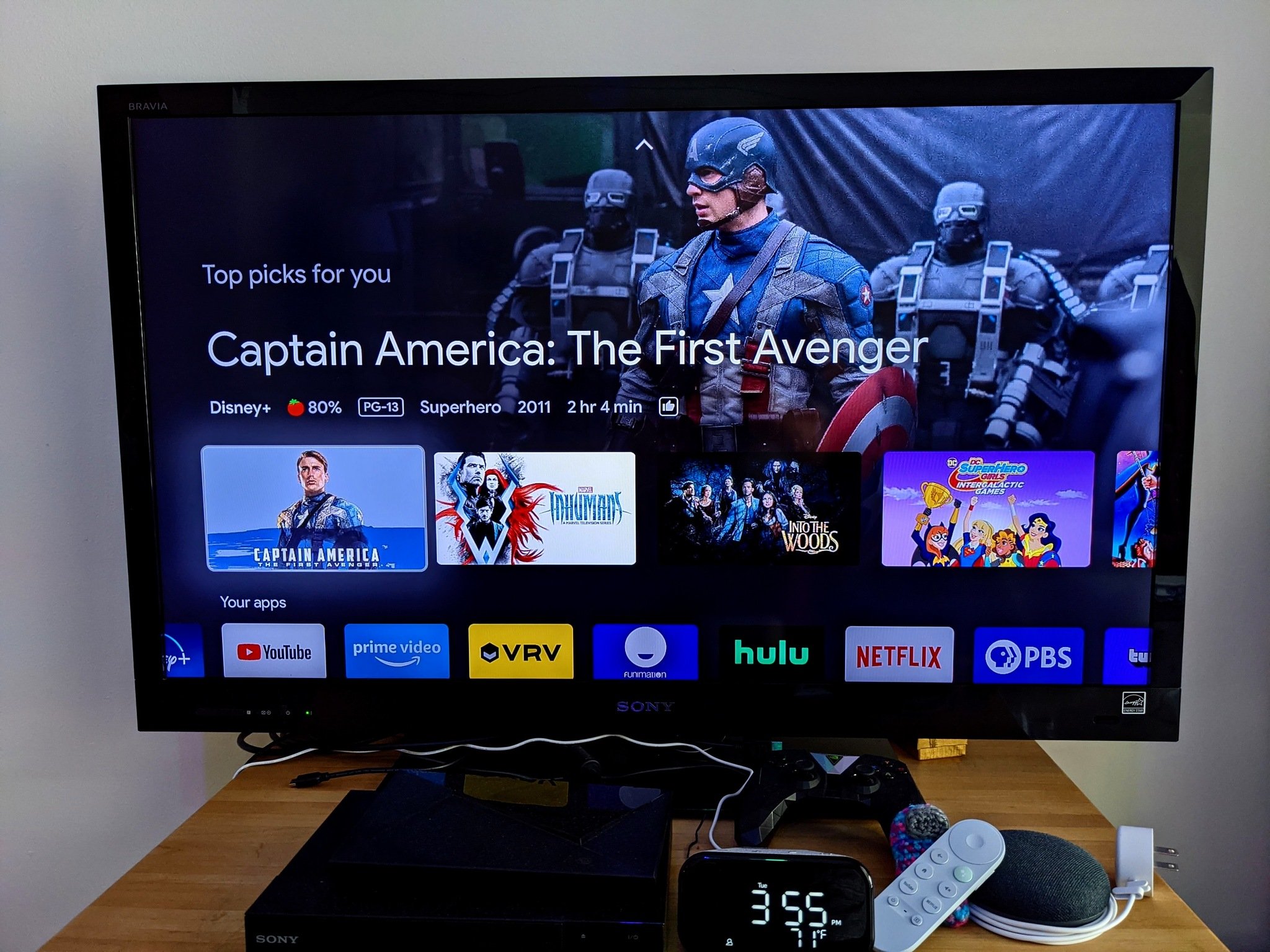
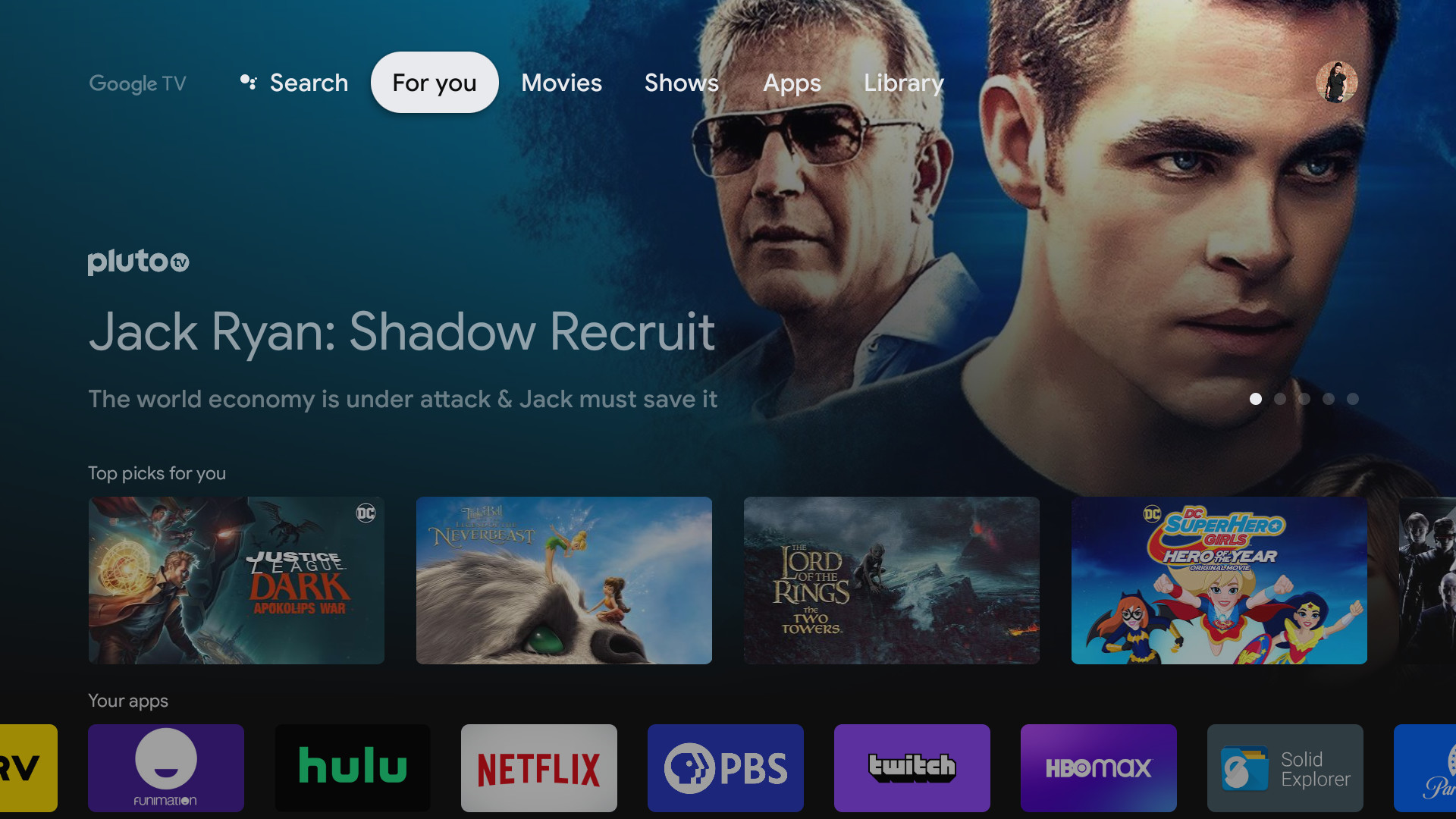
The Chromecast with Google TV has a new Google TV layout that, for the most part, is quite excellent. All your apps are close at hand, it's easy to browse for shows or films from your favorite genres, and Google Assistant means that any show or movie is just a voice command away. This is one of the many reasons the Chromecast with Google TV is one of the best streaming devices, but if you're not a fan of being constantly bombarded with Google TV's recommendations — especially on a shared device where those recommendations might be skewed — here's how to turn off personalized recommendations and enter apps only mode on Google TV.
How to turn on apps only mode in Google TV
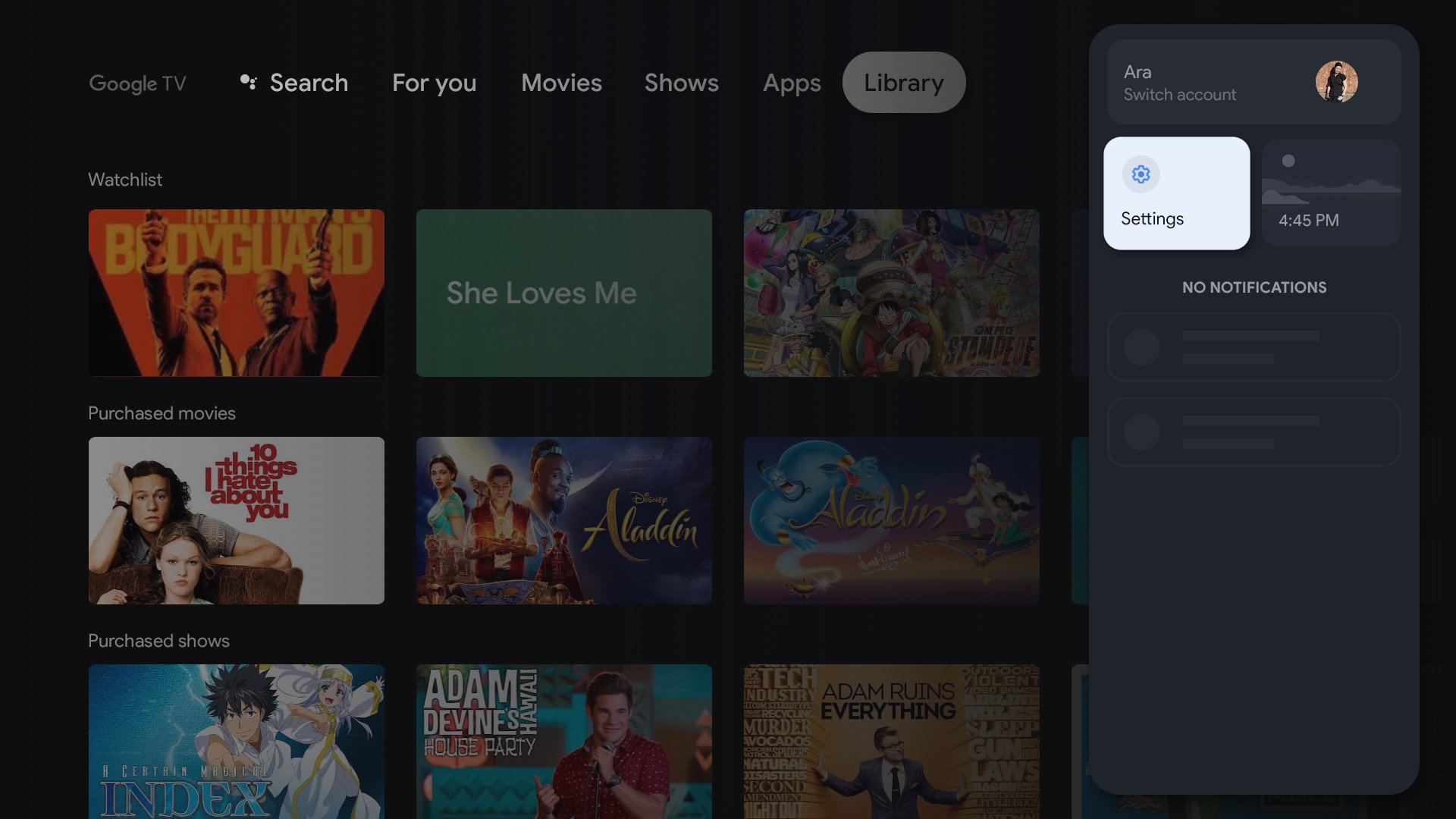
On the home screen, go left to your profile picture.
Select Settings.
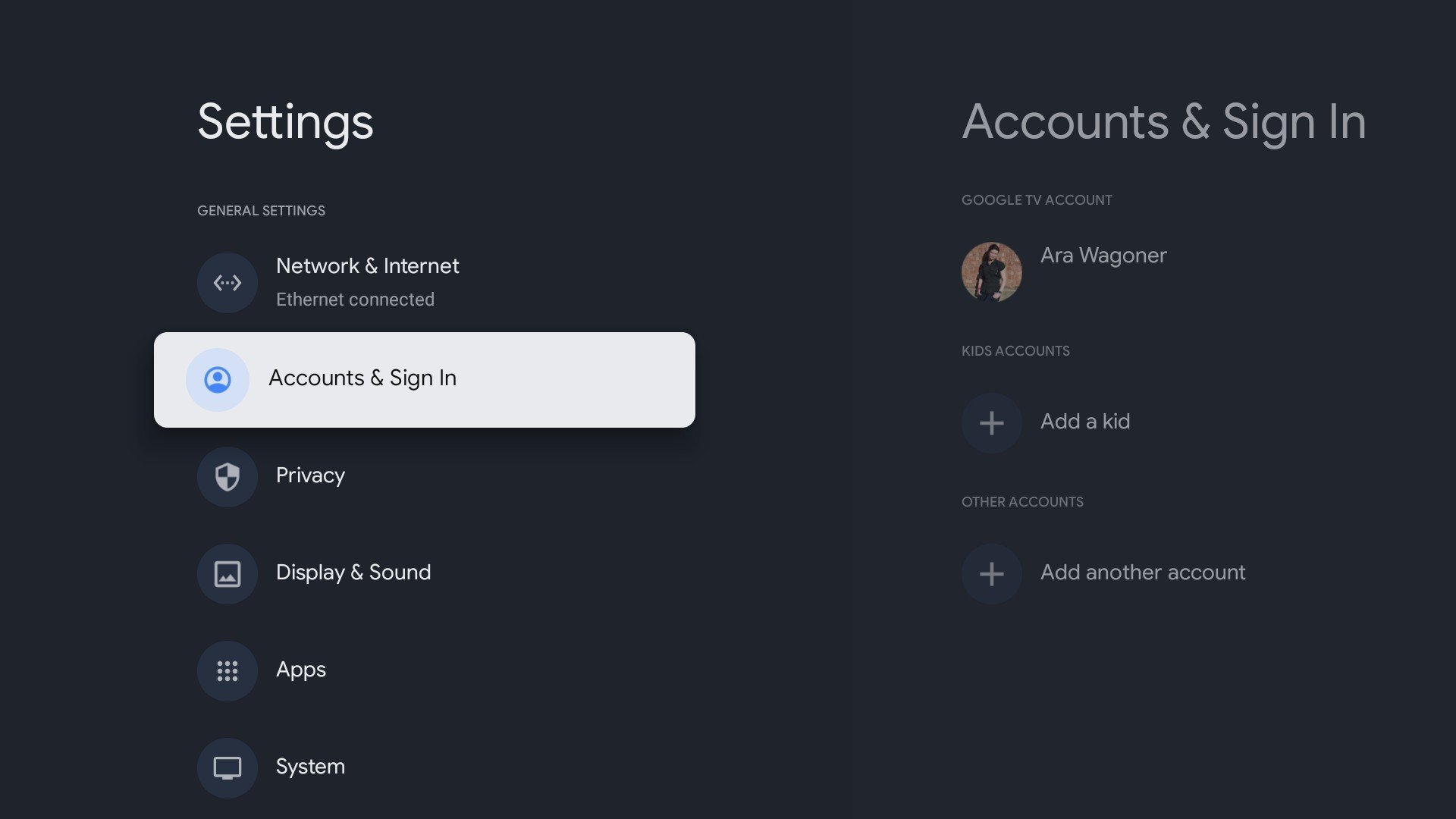
Select Accounts & Sign in.
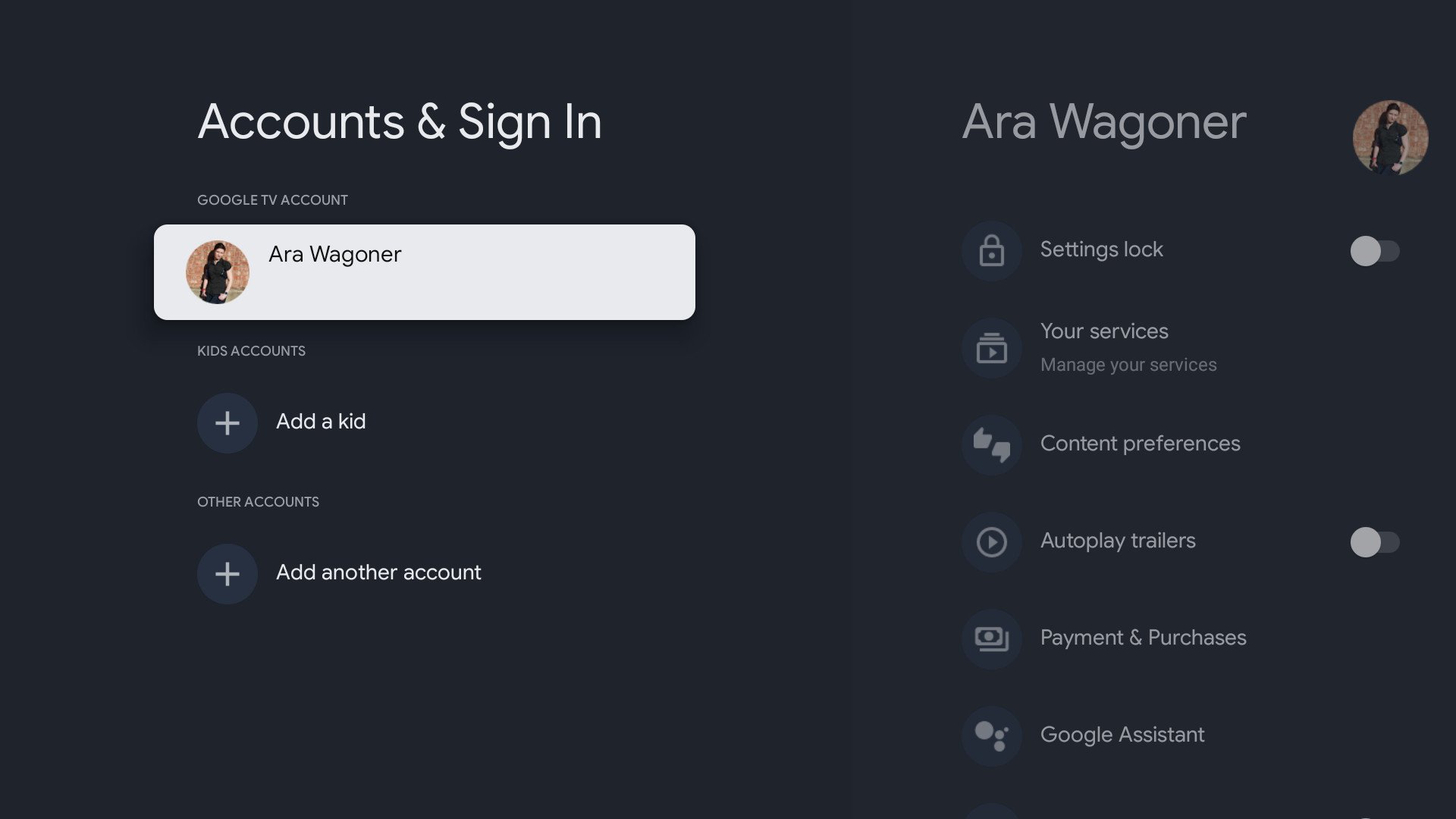
Select your Google account.
Scroll down to the bottom of the list.
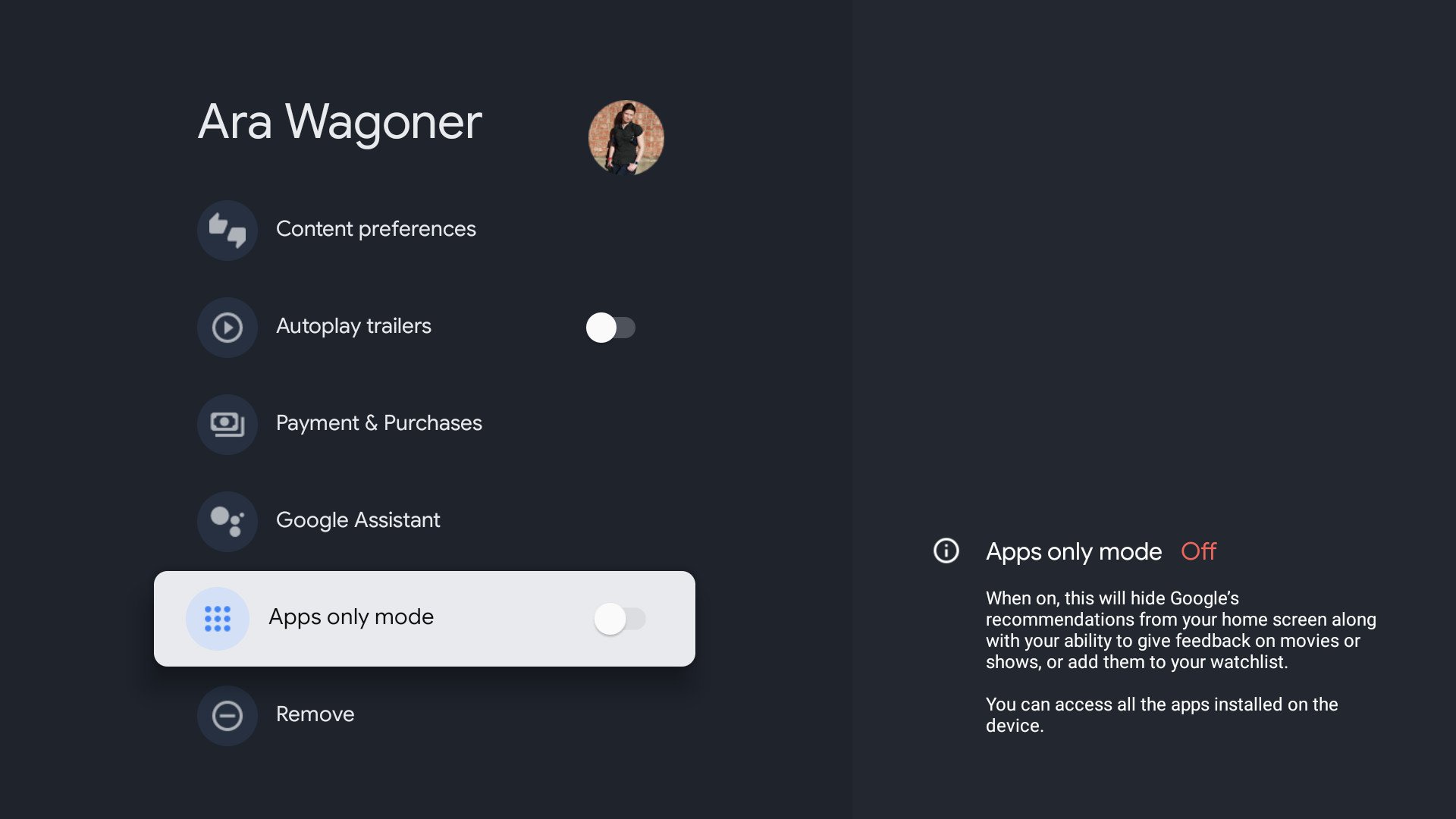
Select Apps only mode.
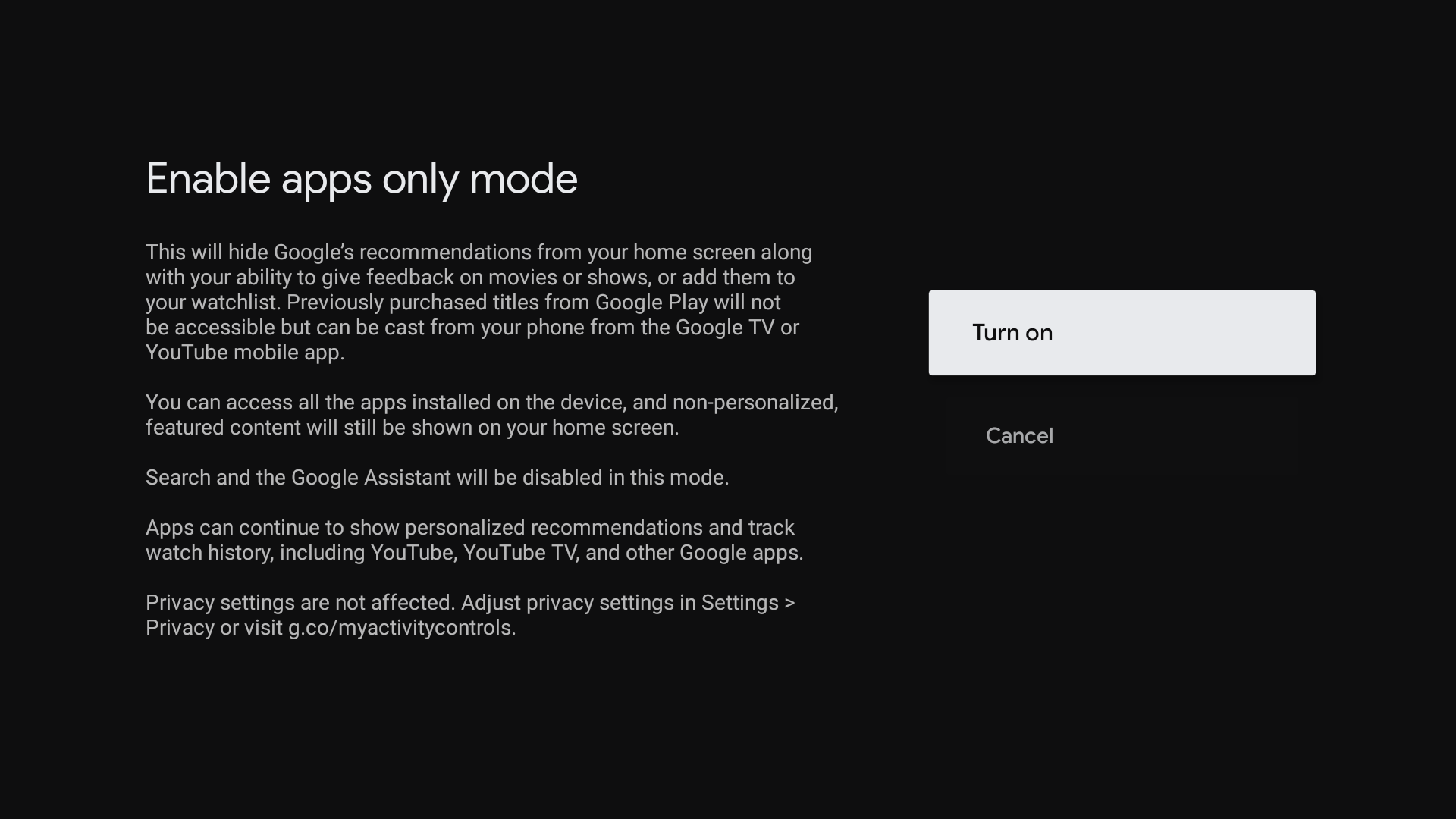
Select Turn on.
Hit the home button to exit Settings.
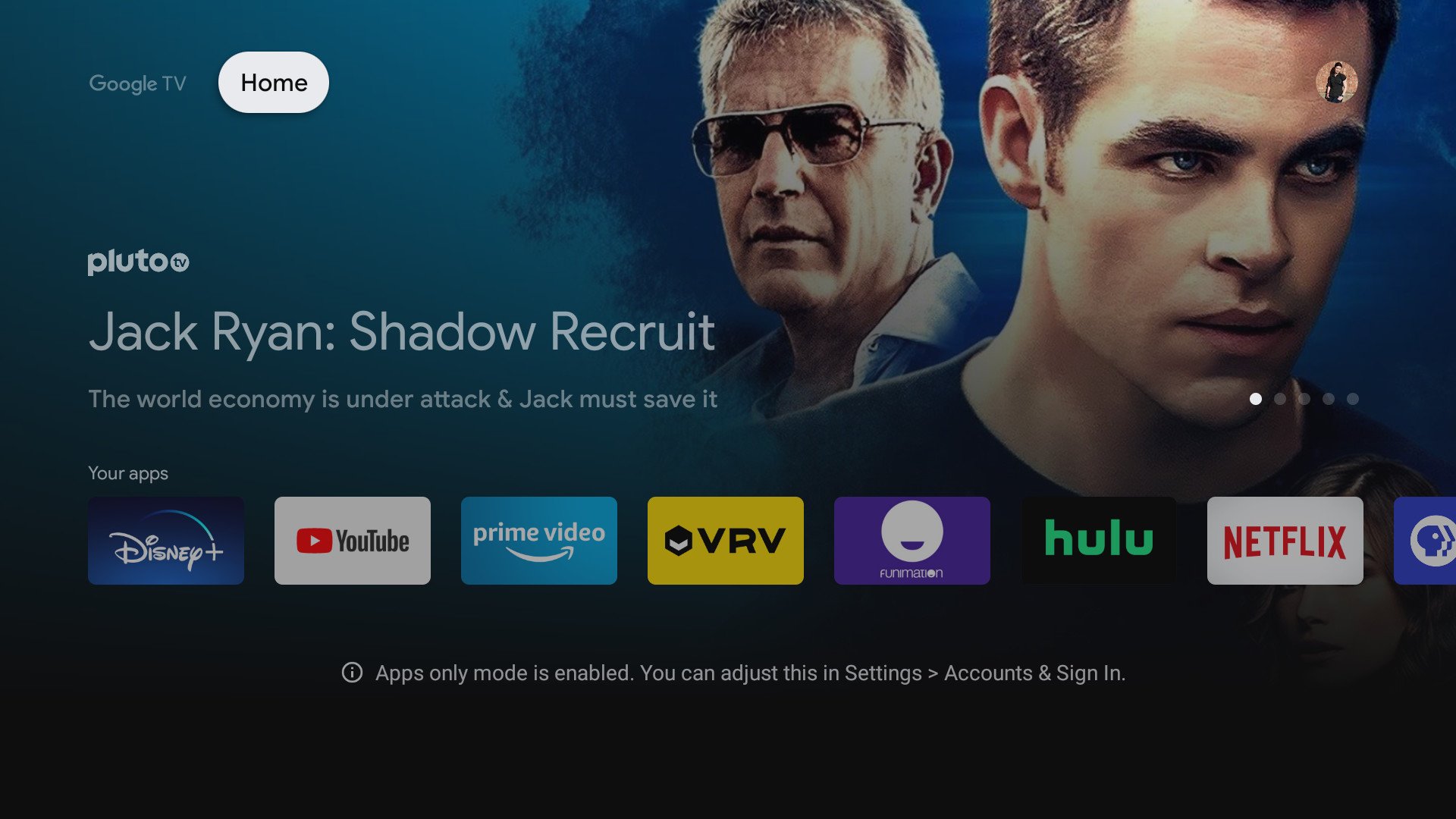
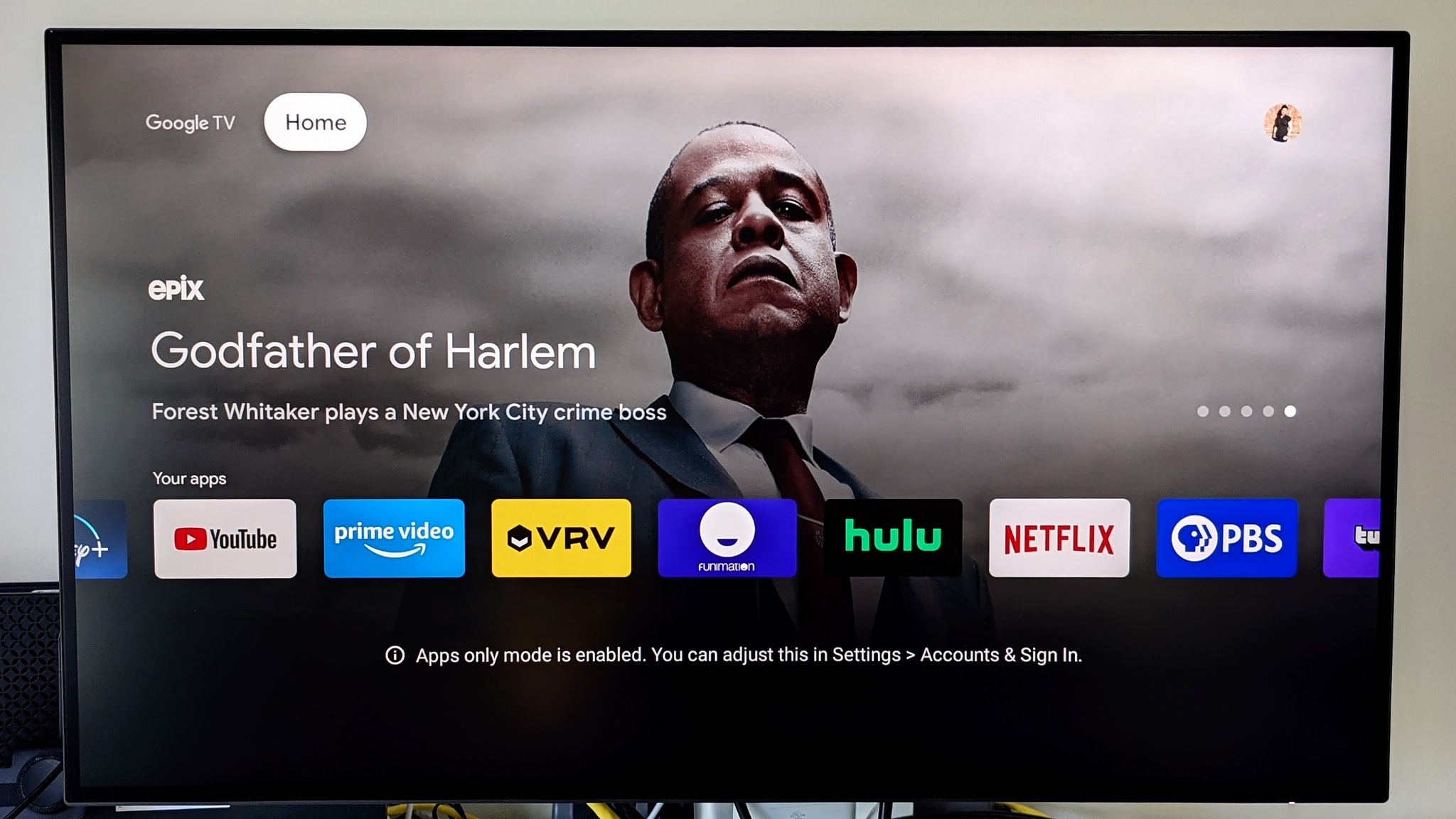
It'll take a second or 10, but your home screen will reload with a much more minimal interface, consisting only of your installed apps and the five sponsored ads, which you can never, ever turn off.
Unavailable services in apps only mode
This is a nice minimal look, and as much as I love it, there are a few big reasons you'll probably turn apps only mode back off within hours:
Google Assistant and search functions are disabled.
Purchased YouTube or Google TV content are unavailable through the Google TV interface, so you'll have to cast them from a phone or computer instead.
Your Watchlist is inaccessible.
If you've never bought movies or TV shows from Google TV, Google Play, or YouTube, that second stipulation won't mean much, but apps only mode only shows other apps, not the actual Google TV app where your purchased content lives, This is a very off omission, and one that makes it quite difficult for longtime Google Play/Android users to avoid the normal recommendation-littered mode.
The bigger problem is that it turns off Google Assistant wholesale, so there's no using voice commands to rewind, skip ahead, or quickly bring up Moana for the millionth time rather than having to dig into the Disney+ app for it. Assistant is one of those things that you can go without using, but once you've gotten used to that
Of course, hidden in all that jargon on the apps only mode screen is the real truth: turning off your ability to see the recommendations doesn't stop Google or any other apps from tracking your watch history. Apps only mode just turns off the visual recommendations, it changes no privacy settings to limit what data is collected on you and your viewing habits.
Google wins the living room
Chromecast with Google TV
Google Assistant commands and recommendations to save movie night.
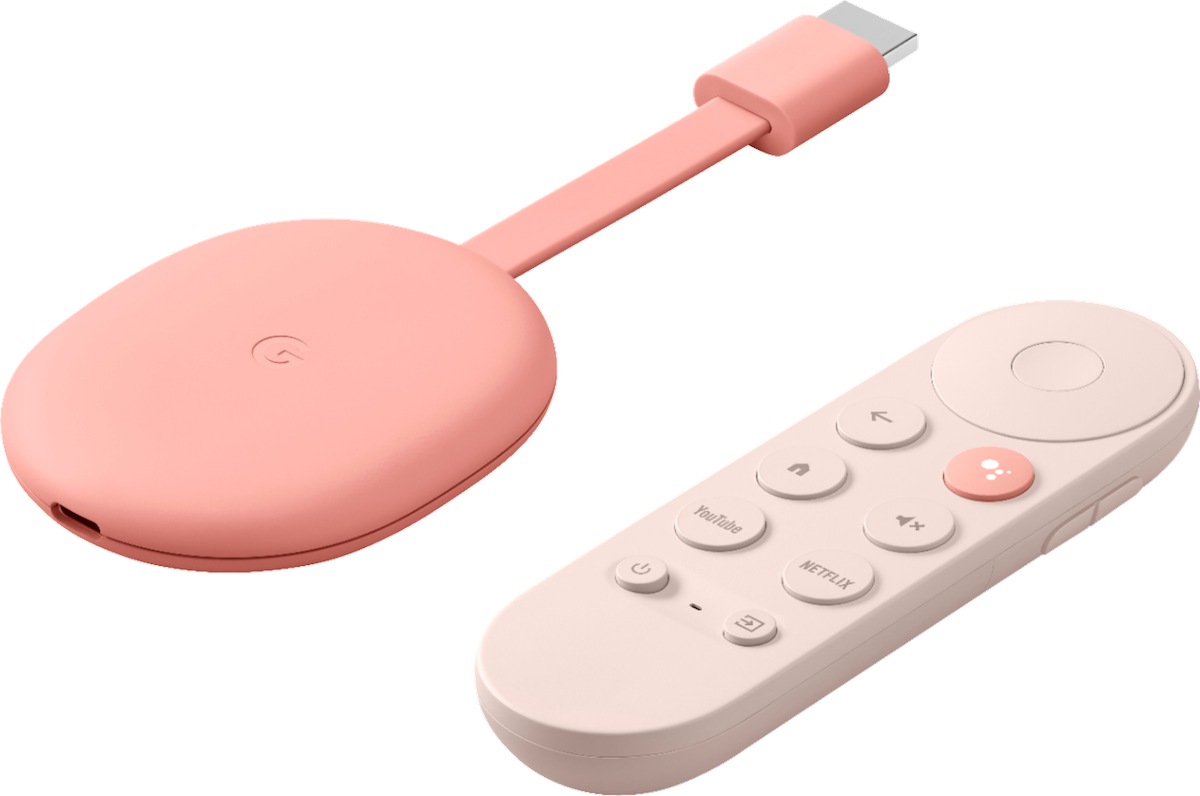
With a perfectly compact remote, three color options, and the latest Google TV interface to serve up all your content in a rich new style. While the Chromecast with Google TV may be a bit short of internal storage, it's the perfect size and price for your living room, kitchen, or any room your TV's apps are failing in.
While the 'Pro' in the Amazon Fire HD 10 Kids Pro is more than just for show.
When considering what makes an excellent Android tablet for kids, things like durability, age-appropriate content, and parental controls are generally at the top of that list. Looking at those qualifications and what Amazon offers, it's easy to see why the best Amazon Fire Kids tablets on found on that device list. So, to offer parents and kids even more choice when it comes to Fire Kids Tablets, Amazon announced the new Fire HD 10, it also added a new level to its Kids tablets, Kids Pro — and my son is very excited to help me with this Amazon Fire HD 10 Kids Pro review.
One of the other major considerations is price, especially when you are looking at purchasing a tablet for a young child who tends to wreak havoc on electronics. Well, the Fire 10 HD Kids Pro tablet is the best of the best from Amazon, which means it's also the most expensive. While the Kids Pro version of the tablet shares a lot with the standard Amazon Fire HD 10 Kids, I'm going to be going through what you get with the Kids Pro — and it the new version makes it worth it for your 6-12-year-old.
Amazon Fire HD 10 Kids Pro
Bottom line: The Fire HD 10 Kids Pro is an excellent option for older kids. With its powerful hardware, it can keep up with their growing demands, and the new parental control features allow you to open up more features as your child grows and matures.
Amazon Fire HD 10 Kids Pro: Price and availability
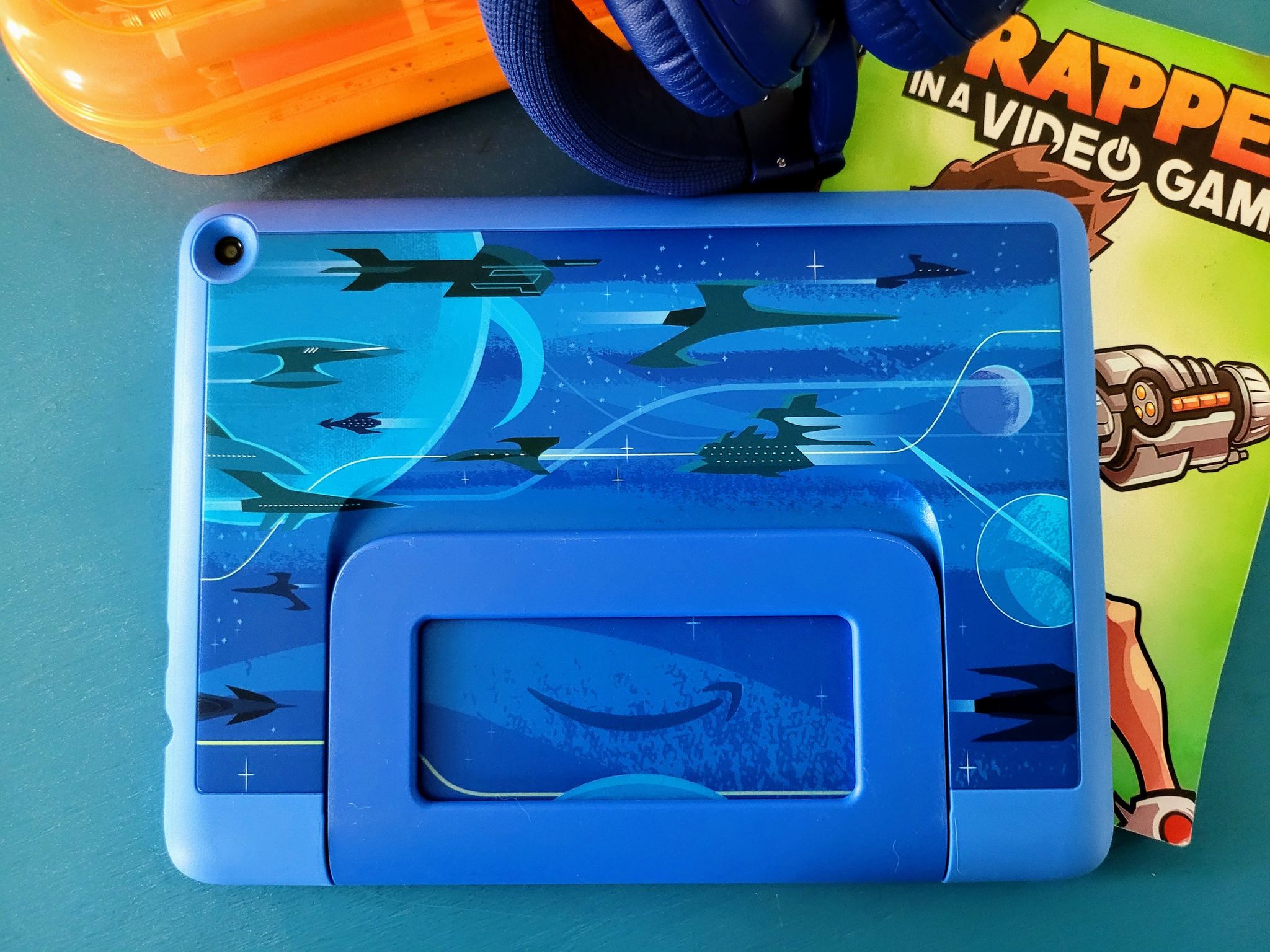
Amazon announced the Fire 10 HD Kids Pro tablet on April 27, 2021, with a pre-order price of $199.99. The tablet is available in black with four different color options for the case — Black, Doodle, Intergalactic, and Sky Blue. Devices began shipping on May 26 and maintained the pre-order pricing of $199.99
Amazon Fire HD 10 Kids Pro: What's good
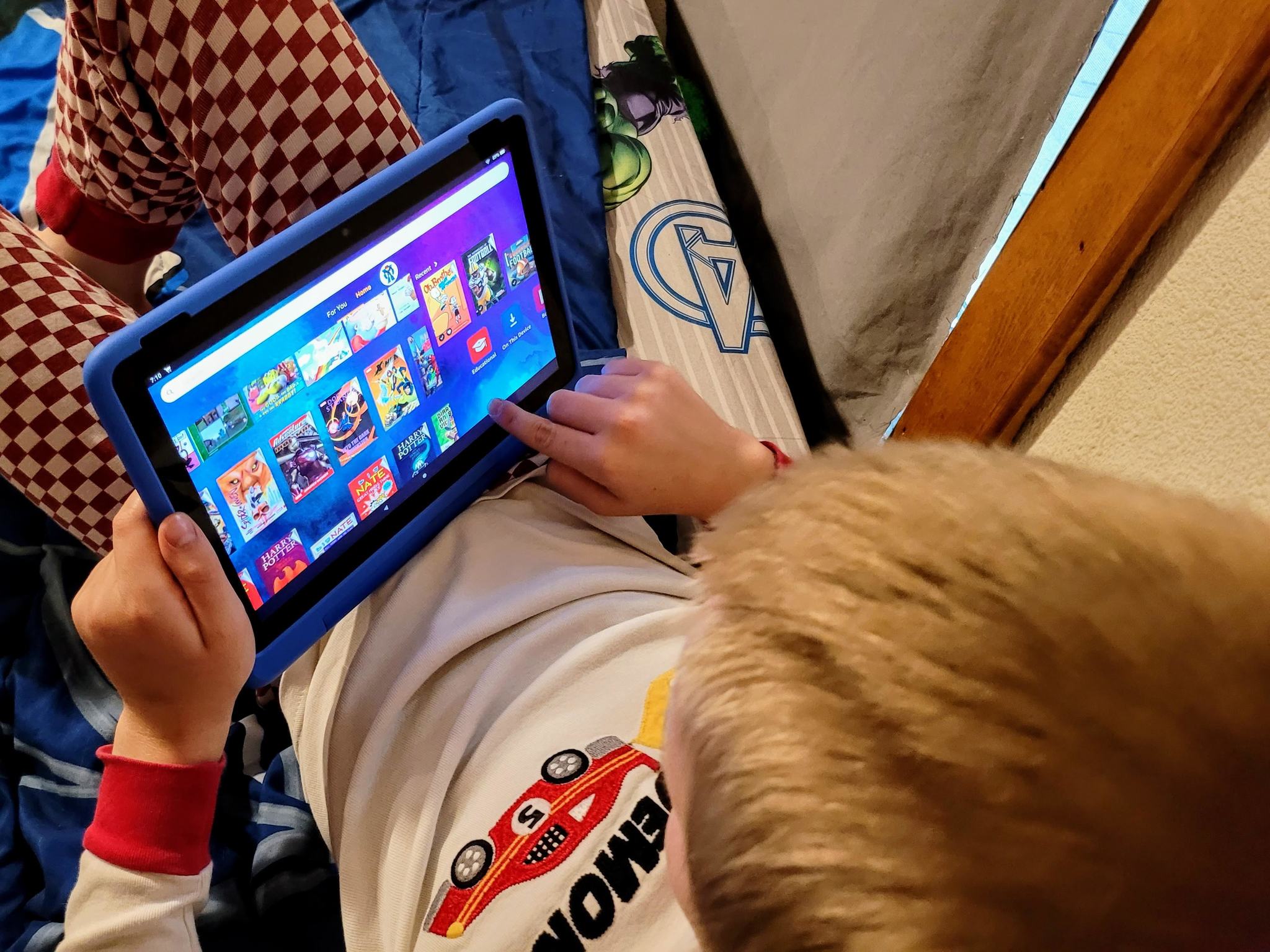
I have two children, a 5 and an 8-year-old, and my oldest son has had a tablet since he was two, thanks to his grandpa. It was a LeapPad Ultra that had its own version of an app store, and while it was slow and not the most responsive device — it was great for my son. Ok, nothing makes me feel more my age than when I say things like "kids these days," but like my son, kids these days are exposed to technology at such a young age that their understanding of how to use devices grows just as quickly as they do. So, as my son got older, I got him an Amazon Fire HD 8, and it was a great tablet for him.
However, I could see how it looked a little too "little kid" since he's a "big kid" due to the bubbly case and some content restrictions. So, he was just as excited as I was that Amazon now has a new option for kids that parents felt wasn't ready for a wide-open tablet experience but needed a more mature device. When I showed him the Amazon Fire HD 10 Kids Pro in its Intergalactic case, aside from noticing how much larger it was than his Fire HD 10 Kids tablet, he just said, "now this thing looks awesome!"
Specs
Fire HD 10 Kids Pro
Target Age Range
6-12
Weight
25.3 oz
Display
10.1 inches 1080p full HD
Dimensions
8.7 x 6.3 x 1.0 inches
Storage
32GB
Expandable Storage
Up to 1TB
Screen Resolution
1920x1200 (224 ppi)
Battery life
Up to 12 hours of multimedia
Camera
2MP front and 5 MP rear-facing cameras with 720p video recording
Alexa enabled
Off by default
Case
Kid-safe slim case included
Case Colors
Black, Purple Doodle, Blue Intergalactic, Sky Blue
Case Size
7.4 x 10.1 x 0.7 inches
Audio
Dual speakers with Dolby Atmos
Parental Controls
Yes
Web Browser
Open but filtered
Access to Digital Store
✔️
Amazon Kids+
One year included
Ports
USB C, 3.5mm headphone jack
Warranty
2-year
His instant expression of how great it looked from the outside is because Amazon is including a whole new case with the Kids Pro tablets. Aside from the different color choices and two that offer a fun design on the back, these cases are also much slimmer. The standard bumper case on an Amazon Fire Kids tablet is 8.2 x 10.6 x 1.1 inches, whereas the Kids Pro case is only 7.4 x 10.1 x 0.7 inches.
The new Amazon Fire HD 10 Kids Pro slim case still offers excellent protection for the tablet and has a built-in kickstand, but it's much slimmer.
Before I gave it to my son, I had already logged in and got his profile transferred over to the new device — which Amazon makes super easy. This activates the settings in Amazon Kids+ that I had already set up on his Fire HD 8 Kids. After loading those settings, I was prompted if I wanted to allow web browser access. My initial thoughts were, no, I do not.
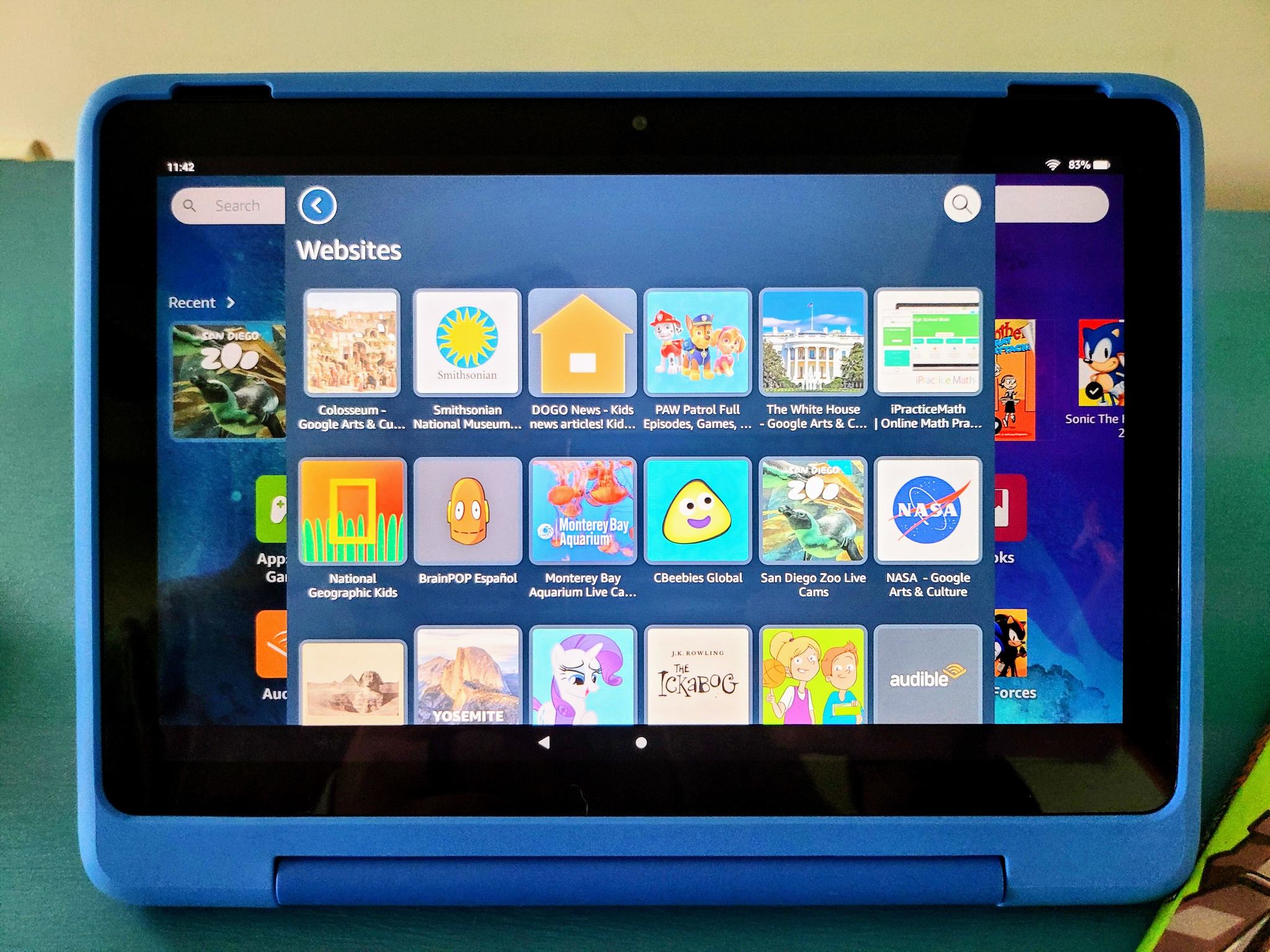
However, after reading the prompts, I opted for the Hand-selected Websites & Videos and Enable Pre-Approved Web Content. There is an option for Filtered Websites & Videos, which opens up a much more traditional web experience, but I don't think my son is ready for that just yet — well, I'm not, at least.
I
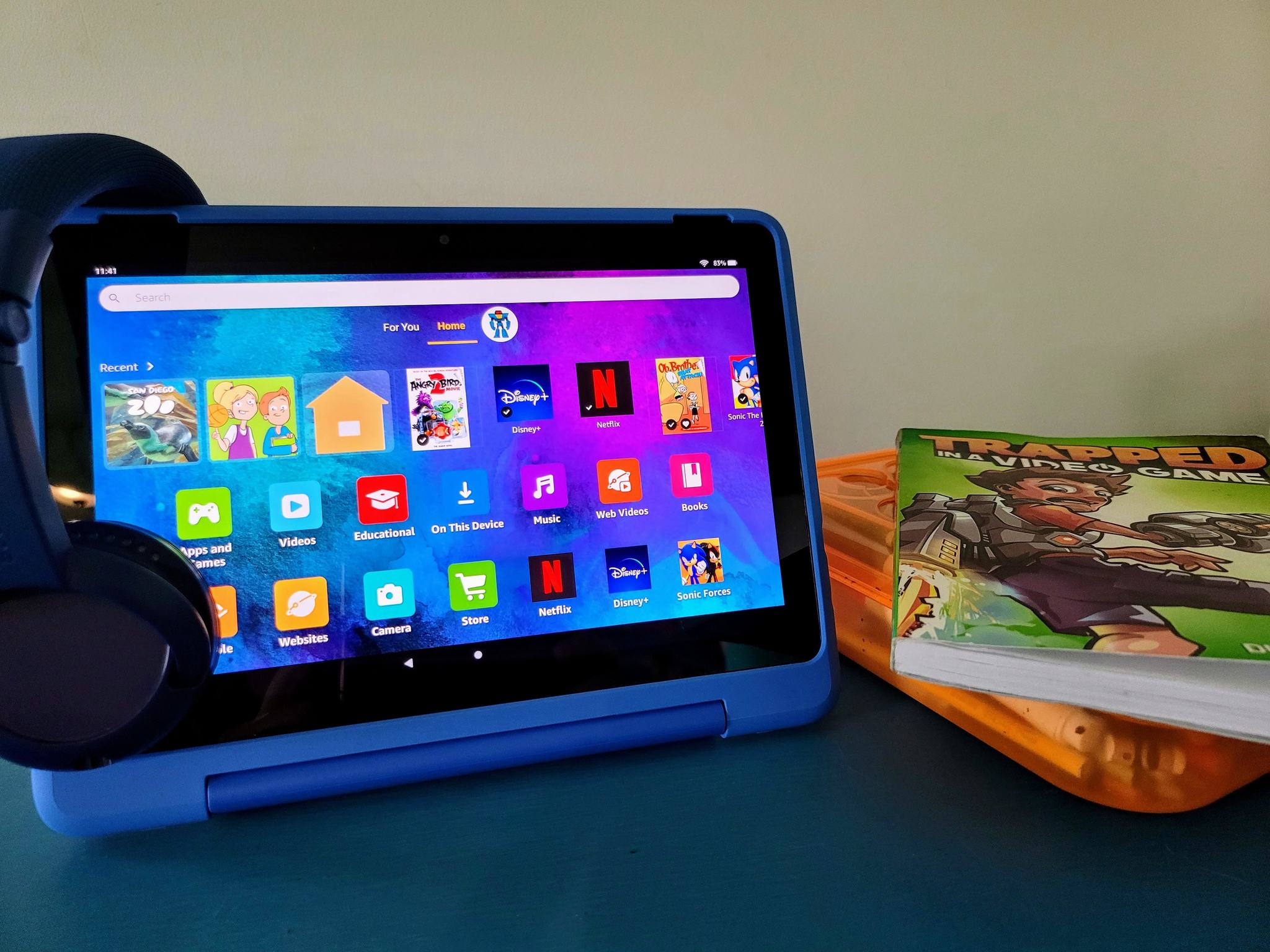
In the browser that I chose and the age range I have set for my son, there a 14 pre-saved websites available to view. With choices ranging from PBS Kids to National Geographic Kids and San Diego Zoo Live Cams to DOGO Kids News, there are some great options for kids that are just starting to dip their toe into the online world. Plus, as the parent, you can add specific sites you want your child to access or block those you don't.
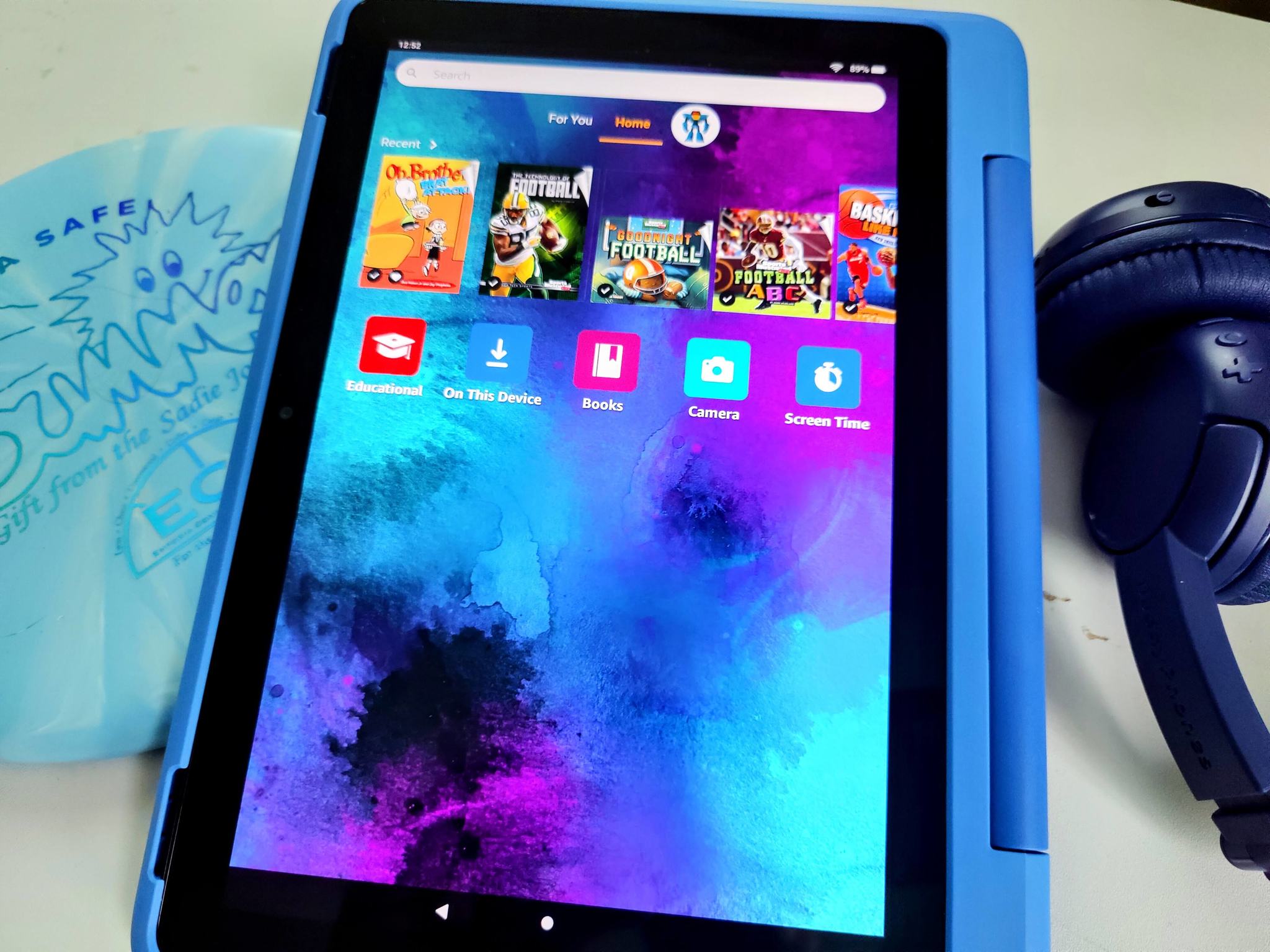
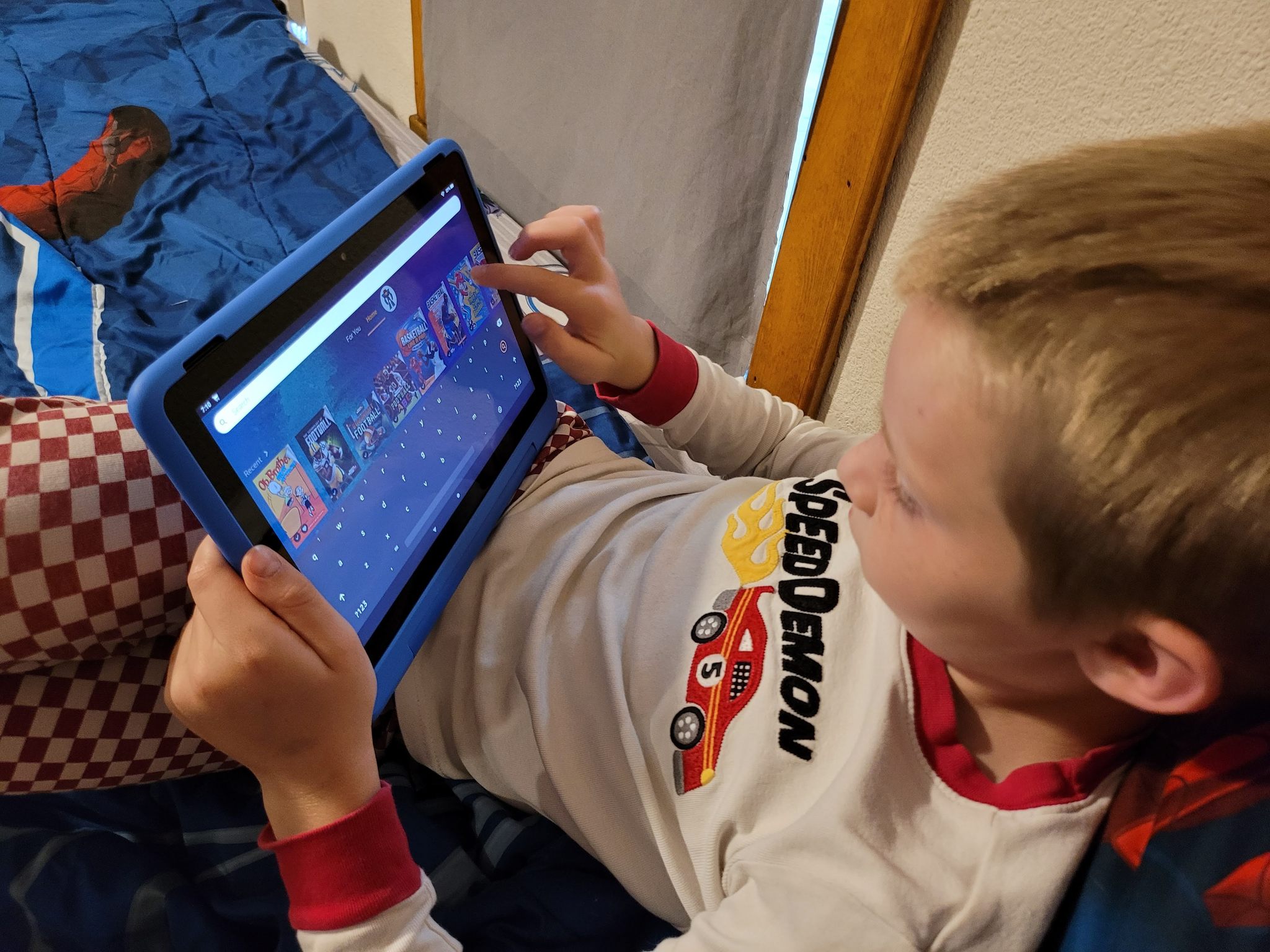
Reading websites, watching movies, and playing games all look great on the 10.1" HD display. The colors are vibrant, and the responsiveness is excellent, thanks to the increased RAM to 3GB. Even though his Fire HD 8 Kids had dual speakers, he thought the set on this Kids Pro tablet was better. That could be in part to the case being less restrictive around the speaker grilles.
However, I am glad that the Amazon Fire HD 10 Kids Pro tablet keeps the 3.5mm headphone jack for my own sanity. Although, there is also Bluetooth on board to give you choices when choosing an excellent set of kids headphones for your child. The other feature Amazon continues to include with its tablets is the expandable memory slot. You can add up to 1TB by slotting in one of the best microSD cards for Fire Tablets
The inclusion of expandable memory for the Fire HD 10 Kids Pro tablet is great considering all of the excellent content available for it.
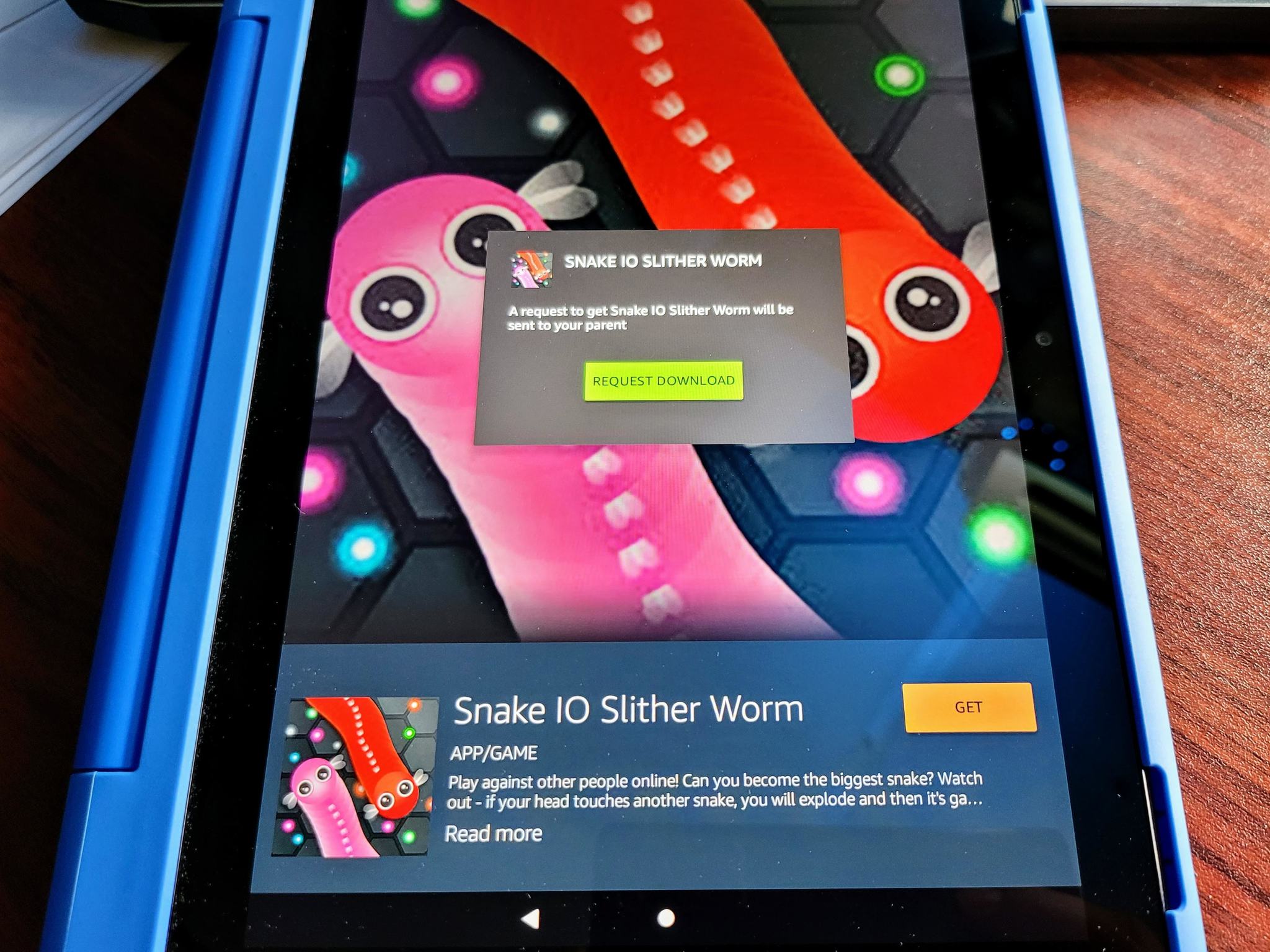
In addition to the modified web browser experience, there is also access to a filtered digital store. When enabled, your child will be able to browse both free and paid apps from the store. While they will see these apps, your child cannot download them without your permission. After picking an app and tapping "Get," a pop-up that reads a request to download the app will be sent to your parent.
On the parent's end, depending on your notification settings in the parent dashboard, you'll get a combination of text and/or email saying your child is requesting an app with a link to it. You can see what the app is about along, see permissions and other information about the app. From there, you get to either approve or deny the request.
Amazon Fire HD 10 Kids Pro: What's not good
The device itself is much faster than my son's Fire HD 8 Kids; I wouldn't even mind using it with my own profile. Paring that with a massive curated content library, excellent parental controls that come with Kids+, and the expanded software options with the Kids Pro platform — Amazon has done a great job, but not perfect.
When considering purchasing any Amazon Fire tablet, you have to ask yourself if you are ok with not having access to Google Play Services. This includes Gmail, Maps, and the Google Play Store. Yes, there are ways around this with some software hacks, but not everyone wants to do this — especially for their kid's device. For most people, the most significant omission is the Google Play Store.
Missing the Google Play Store really only matters for the older kids, who the Kids Pro tablet is for. It may not matter as much for kids in the 6-9 range, but more so for the 10-12-year-olds. While there are many of the most popular apps in the digital store, it is limited, and you may not find ones you'd really like for your child to explore.
Speaking of apps, the approval process could be better for the ones available for the Fire HD 10 Kids Pro digital store. When a request comes through on the parent side, it's either an SMS text or an email. While there's nothing necessarily bad about this, you're taken to your web browser when clicking on the link in the notification. Once there, you have to log into the parent's dashboard and go through the review steps. This process would be much quicker if it went through the Amazon app or a separate dashboard app entirely.
Using the web browser to handle app requests and accessing the parent dashboard is clunkier than in a stand-alone app.
The only other issue I found with the Fire HD 10 Kids Pro tablet was the single base storage option. Since this device is targeted at older kids who will be using more apps and other multi-media, it won't take long to fill up the 32GB built-in — considering about a quarter of it is taken up by the OS. While it isn't bad, I think 64GB would better serve this target market.
When Wi-Fi is available, storage space is much less of a concern when things are streamed. The problem occurs when planning a trip where connectivity is limited, and content has to be downloaded for offline use. Thankfully, there is expandable storage, but it can sometimes be finicky with some apps compared to onboard memory.
Amazon Fire HD 10 Kids Pro: Competition
In terms of price and features, Amazon really competes with itself in the tablet market for kids. It's not to say that there aren't other devices that can work for kids, but many of them aren't at the same level of competency as Amazon — especially at the price that the Fire HD 10 Kids Pro is.
If price is really a consideration, but you still want a tablet that will work great for an older child — then the Amazon Fire HD 8 Kids Pro is one to look at. You'll get the same excellent software and parental control features found on the Fire HD 10 Kids Pro but at a lower price. However, that lower-priced device does come with some drawbacks.
While still great looking, the display is only 8 inches, which may be troublesome in some cases. The Fire HD 8 Kids Pro also only has 2GB of RAM. The device will handle various tasks in many cases, but it could lag running some more intensive apps.
The other option is to purchase a non-Kids version of an Amazon Fire HD 10 tablet. This option saves you about $50 over starting with the Kids Pro version. You can then sign up for the Kids or Kids+ features and apply that to your child's profile on the device. However, you will miss out on some great features that come with that up-front $50 additional cost by going this route.
Mainly you lose out on the excellent protective case and the two-year worry-free warranty every Amazon Fire Kids tablet gets. Suppose you feel like you can forgo a case and just wing it without the expanded warranty to get the desired curated content library and wonderful parental controls. In that case, you'll be paying a minimum of $2.99 per month. In contrast, you would initially get the first year of Kids+ for free by purchasing the Fire HD 10 Kids Pro tablet.
Amazon Fire HD 10 Kids Pro: Should you buy it?
You should buy this if ...
Your child is in the 6-12 age range.
You want a tablet that will be able to handle your child's technology needs as they grow.
You want to have more content available to your child in addition to what comes with the Kids+ library.
You shouldn't buy this if ...
Your child is in the 3-7 age range.
Your child will have trouble managing a large tablet.
You want a bulkier, more protective bumper case
The Amazon Fire HD 10 Kids Pro tablet is an excellent device for older kids ready to take the next step in exploring the digital world but not quite ready for a no-holds-barred approach. The expanded library of content and the modified web browser give access to more content while allowing you to control much of what's available. However, if you have a younger child who may not be ready for that additional content or handle the larger device, this may not be the tablet for them.
4.5out of 5
As part of the Amazon Kids and Kids+ ecosystem, the Fire HD 10 Kids Pro still gets access to the library of over 20,000 movies, games, books, and other apps that they would if you purchased a standard Fire Kids tablet. Only as a Kids Pro device can you choose to allow access to more options through the digital store and the modified web browser.
Through parental controls, you will still be able to adjust how much or little access your child will have to the internet and additional apps as you see fit. As your child gets older and moves towards using the tablet as much for homework as they do for entertainment, the device itself has the power for productivity. Amazon has accessories and software help facilitate your child's educational goals, but you may not get all the apps you want as it is missing Google Play Services.
The Amazon Fire HD 10 Kids Pro is an excellent device for older kids looking for a more mature-looking device and content from top to bottom. As the parent, you can rest assured that you still have control over how much or little is accessible to them.
Amazon Fire HD 10 Kids Pro
Bottom line: If you're looking for a device with the power to tackle almost every request your "big kid" could ask of it, the Amazon Fire HD 10 Kids Pro tablet is the one. With its combination of hardware and software features, your child will have the content they want, and you'll have peace of mind knowing you have the final say as to what your child sees.